
Ceramic Coating Warranty: What's Actually Covered and What Isn't
Investing in ceramic coating for your vehicle represents a significant decision. You're not just paying for the application. You're paying for protection that should last for years. But when detailing services and mentioning warranties, what does that actually mean for you?
Understanding warranty coverage before you commit helps you know exactly what protection you're getting. Some coatings come with manufacturer warranties, while service providers may offer additional coverage. The key is knowing what questions to ask and what to expect from your warranty.
At Mountainside Mobile Detailing, we believe in transparent information about what our warranties cover. When you invest in ceramic coating, you deserve to understand exactly what protection you're receiving. This guide helps you navigate warranty coverage and make informed decisions about your vehicle's protection.
Understanding Ceramic Coating Warranties
Warranties for ceramic coatings aren't all the same. Different coating products come with different warranty terms, and understanding these differences matters when you're comparing options.
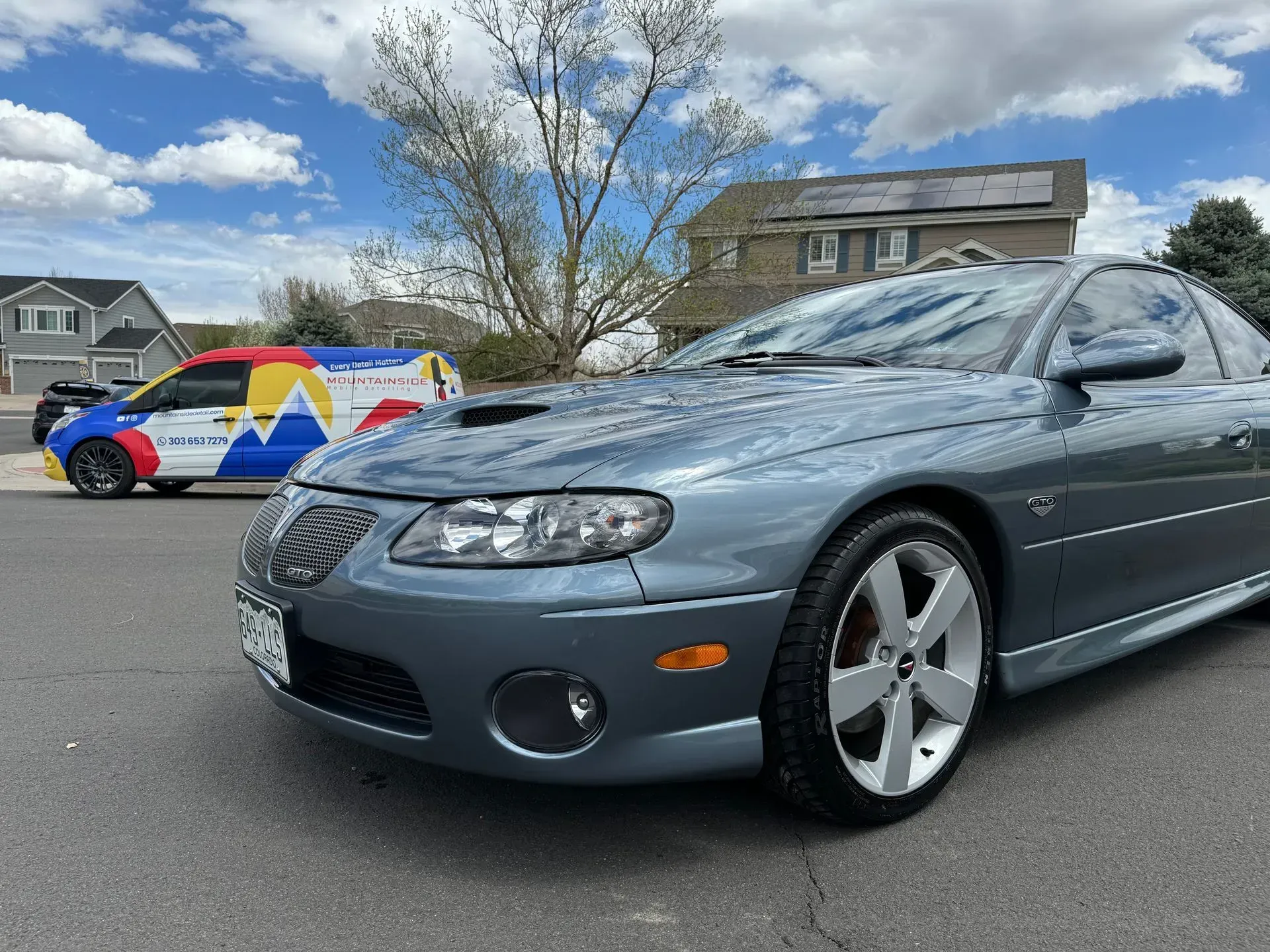
Manufacturer warranties typically cover the coating product itself and specify a duration, like three years, five years, or seven years. The duration tells you how long the manufacturer stands behind their product's performance when properly maintained.
Some detailing services add their own commitments on top of the manufacturer's warranty. This additional coverage varies by provider, so it's worth asking what specific protections they offer beyond the standard manufacturer terms.
Key warranty elements to understand:
- Who provides the warranty (manufacturer, service provider, or both)
- How long does the warranty coverage lasts
- What conditions must be met to keep the warranty valid
- Whether the warranty transfers if you sell the vehicle
Knowing these details upfront prevents confusion later if you need to use your warranty coverage.
What Maintenance Means for Your Warranty
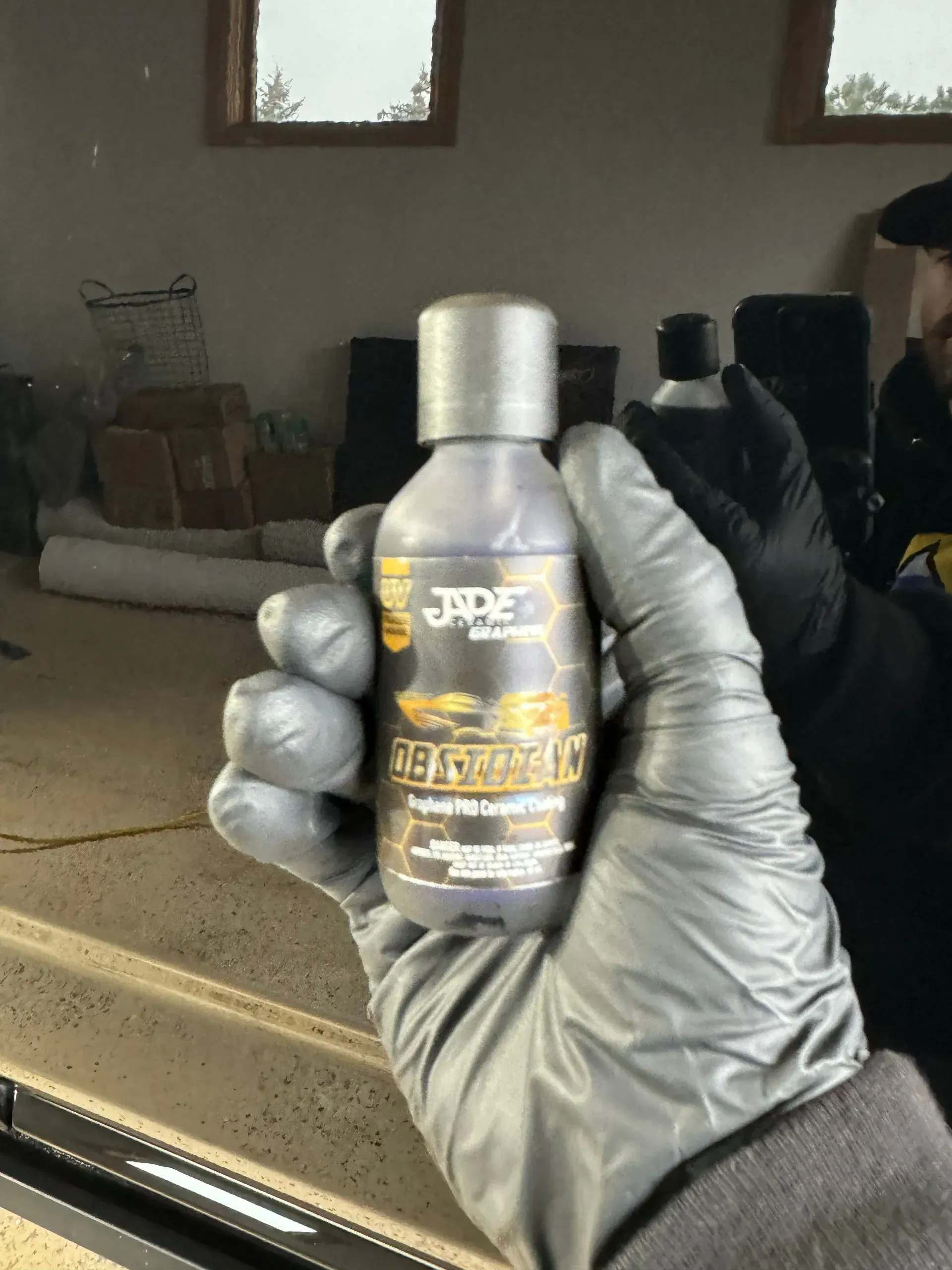
Most ceramic coating warranties include maintenance requirements. A coating that receives proper care will perform differently from one that's neglected or improperly maintained.
Maintenance requirements typically include appropriate washing methods and products. Using harsh chemicals or improper cleaning techniques can affect your coating's performance and potentially void warranty coverage.
Some warranties require periodic inspections or maintenance services. These check-ups allow professionals to assess the coating's condition and address any issues before they become problems.
Common maintenance expectations:
- Using appropriate cleaning products designed for ceramic coatings
- Avoiding harsh chemicals that can damage the coating
- Getting periodic professional maintenance or inspections
- Documenting your maintenance history
Keeping records of your maintenance helps if you ever need to make a warranty claim.
Duration and What It Really Means
When you see warranty terms like "three-year warranty" or "five-year warranty," the warranty period represents the timeframe during which the manufacturer or service provider guarantees specific performance characteristics.
Different coating products offer different warranty durations based on their formulation. A coating with a longer warranty period typically uses more advanced chemistry designed for extended protection.
Some service providers offer extended coverage beyond the manufacturer's warranty, often with specific maintenance requirements to ensure the coating continues performing as expected.
Matching warranty duration to your needs helps you choose the right coating option for your specific situation.
Questions to Ask Before Purchase
Before committing to ceramic coating, asking the right questions about warranty coverage helps you understand exactly what protection you're getting.
Start by asking who provides the warranty and what specific issues it covers. Understanding the warranty source and coverage scope helps you know what protection you're receiving.
Find out what conditions must be met to keep the warranty valid, including any specific maintenance requirements or periodic inspections.
Important questions to ask:
- What specific issues does the warranty cover?
- What maintenance is required to keep the warranty valid?
- Does the warranty transfer if I sell my vehicle?
- What's the process if I need to make a warranty claim?
Professional detailing services should be willing to explain warranty terms clearly. Our approach at Mountainside Mobile Detailing includes transparent warranty information about our ceramic coating services.
The Role of Professional Application
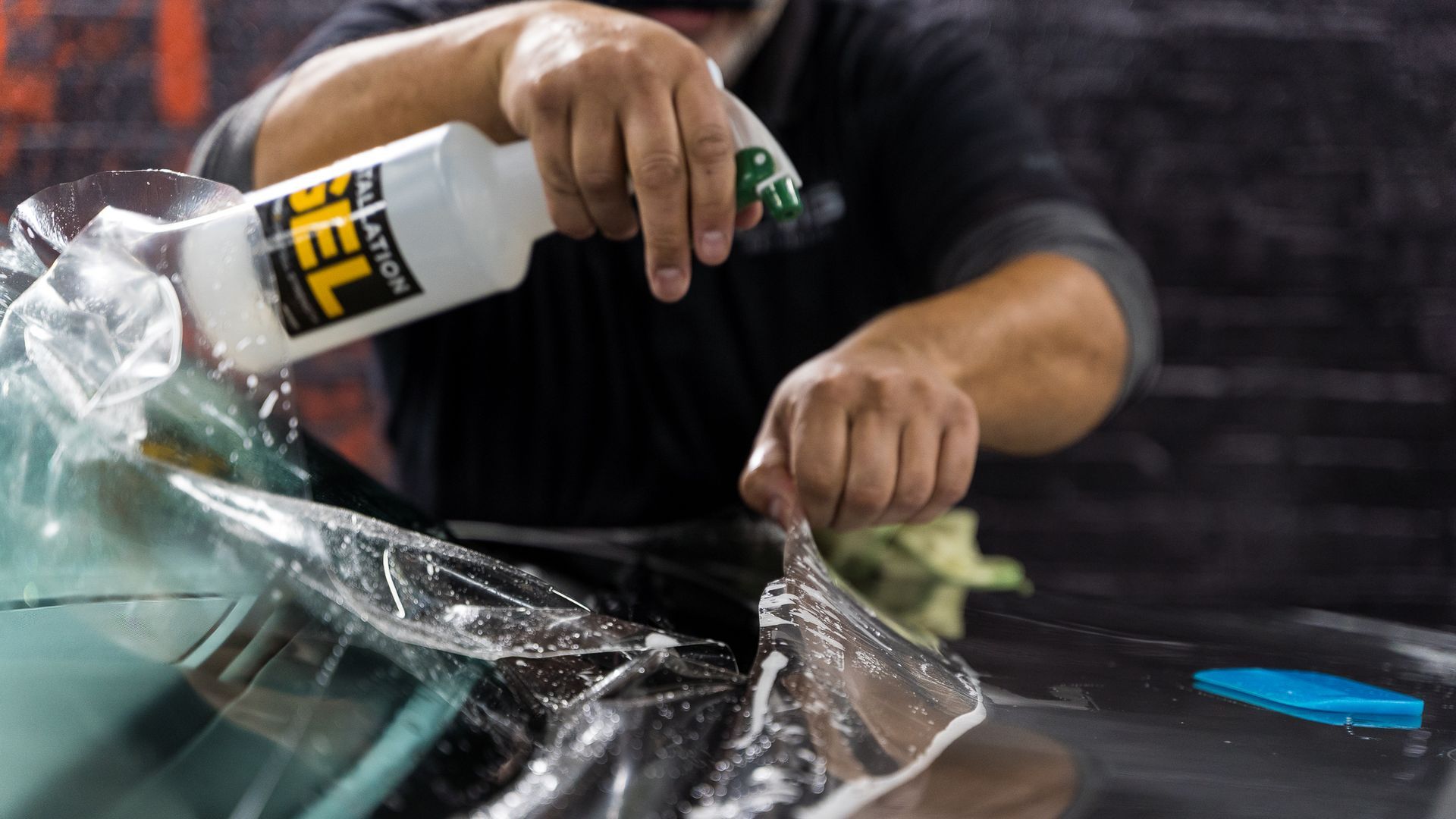
Professional application matters for warranty validity because proper technique ensures the coating performs as designed. Manufacturer warranties often require professional application to protect both you and the manufacturer.
Experienced detailers understand surface preparation, proper application conditions, and curing requirements. This expertise helps your coating achieve its full protective potential.
A professional application also provides documentation for warranty purposes. When professionals handle the application, you typically receive records showing the work was done correctly.
Our team at Mountainside Mobile Detailing brings championship-level expertise to every coating application. Our founder's background as a race engineer in the NASCAR Cup Series means we understand precision and attention to detail.
Getting Protection You Can Trust
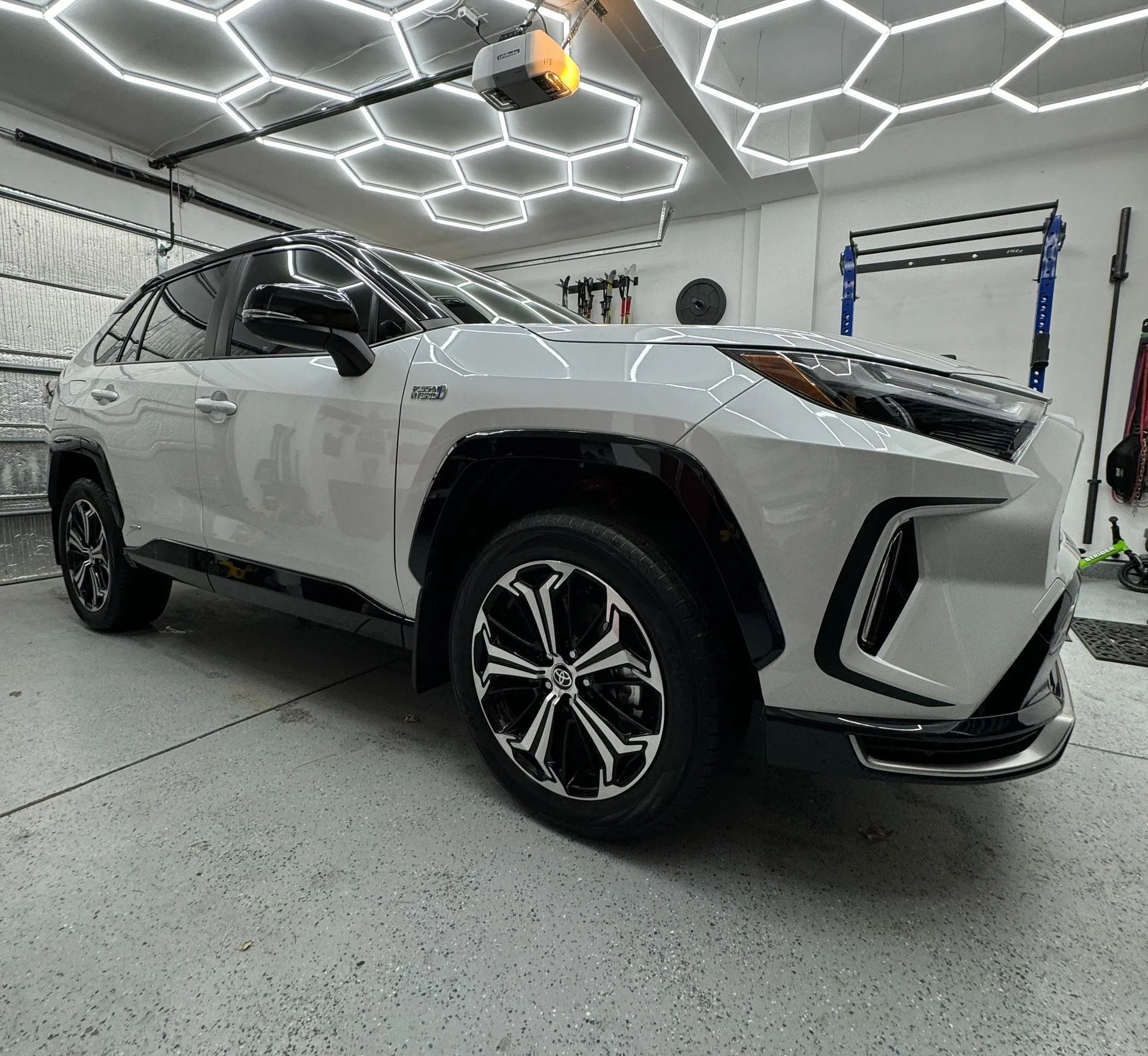
Understanding ceramic coating warranties helps you make confident decisions about protecting your vehicle. Look for providers who communicate warranty terms clearly and honestly.
Consider how the warranty aligns with your needs and how you use your vehicle. Professional ceramic coating warranty coverage, combined with proper maintenance, helps ensure your vehicle's protection performs as intended.
Ready to protect your vehicle with ceramic coating backed by clear warranty terms? Contact us to discuss our coating options and warranty coverage.
Frequently Asked Questions
How long do ceramic coating warranties typically last?
Warranty duration varies depending on the coating product. Some coatings come with three-year warranties, while others offer five-year or seven-year coverage. The warranty period indicates how long the manufacturer guarantees the coating's performance when properly maintained. The warranty duration should align with how long you plan to own your vehicle.
What kind of maintenance keeps a ceramic coating warranty valid?
Most ceramic coating warranties require appropriate maintenance to remain valid. This typically includes using proper cleaning products designed for ceramic coatings and avoiding harsh chemicals. Some warranties require periodic professional inspections or maintenance services. The specific maintenance requirements vary by warranty, so understanding these obligations before application helps ensure you can meet them.
Can I transfer my ceramic coating warranty if I sell my vehicle?
Warranty transferability depends on the specific warranty terms. Some warranties allow transfer to new owners, while others apply only to the original purchaser. If resale value matters to you, ask about transfer options before choosing a coating. A transferable warranty can add value when selling your vehicle.
What happens if my ceramic coating has an issue during the warranty period?
If you experience coating issues during the warranty period, contact the warranty provider to discuss the situation. They'll typically want documentation showing you maintained the coating according to requirements. The warranty provider will assess whether the issue falls under warranty coverage. Having maintenance records ready helps process warranty claims more efficiently.
Does the ceramic coating warranty cover all types of damage?
Ceramic coating warranties typically cover specific coating performance issues rather than all types of damage. Coverage usually focuses on coating failure or performance degradation when maintenance requirements are met. Warranties generally don't cover damage from accidents, improper care, or conditions beyond normal use. Ask detailed questions about coverage scope before application to avoid surprises.