
Caring for Car Paint Protection Film: Washing, Drying, and What to Avoid
Paint protection film represents a significant investment in your vehicle's appearance. The film guards against rock chip damage and road debris, but it requires proper care to perform well over its full lifespan.
Understanding what causes swirl marks on car paint helps you avoid habits that degrade your film's appearance. This guide provides a sustainable paint protection film care routine you can follow at home.
At Mountainside Mobile Detailing, we help Denver Metro Area vehicle owners maintain their vehicles and understand proper care techniques.
How Paint Protection Film Works
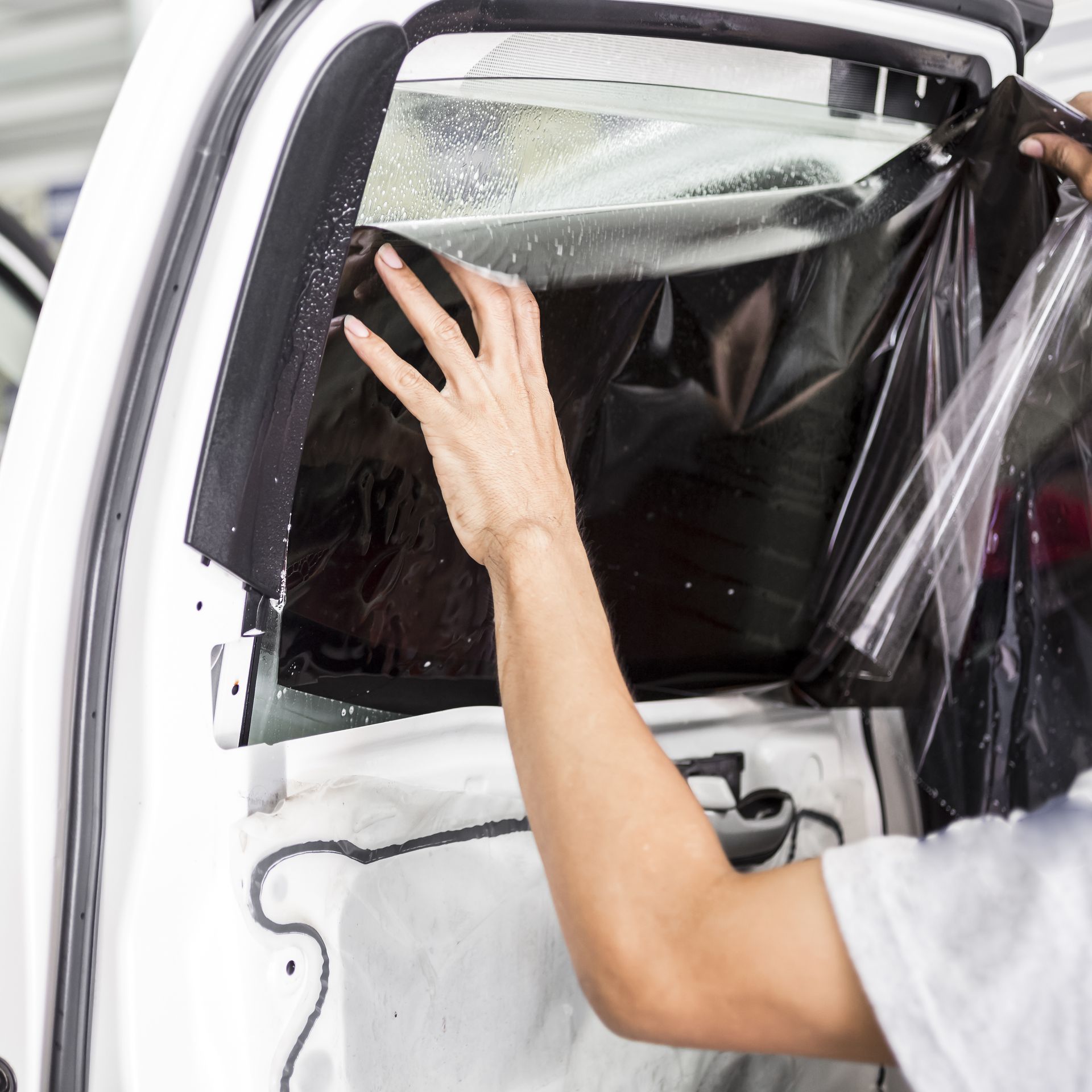
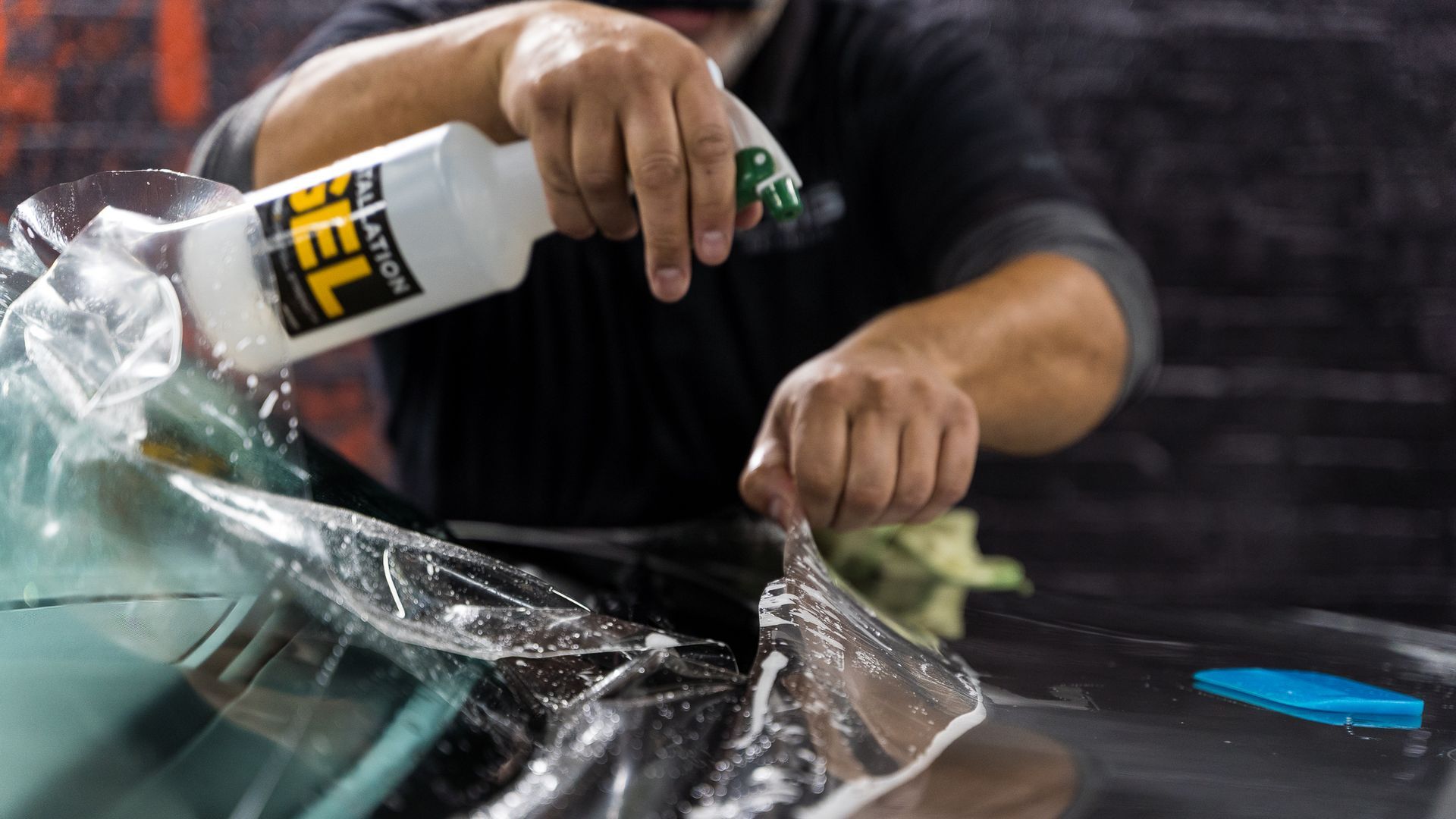
Paint protection film is a clear, flexible urethane layer applied to painted surfaces. The film absorbs impacts, dispersing energy across its surface rather than allowing it to concentrate at a single point.
Quality films include a protective top coat that provides clarity and self-healing properties. When the film experiences minor surface marring, heat from the sun allows the top coat to flow back into place. Some owners add
ceramic coating over film for additional protection and easier maintenance. Proper care preserves the film's top coat, while harsh chemicals and abrasive contact strip or damage it.
Washing Paint Protection Film
The washing process matters more for film than for unprotected paint. The top coat requires gentle treatment to maintain clarity.
Recommended Washing Method
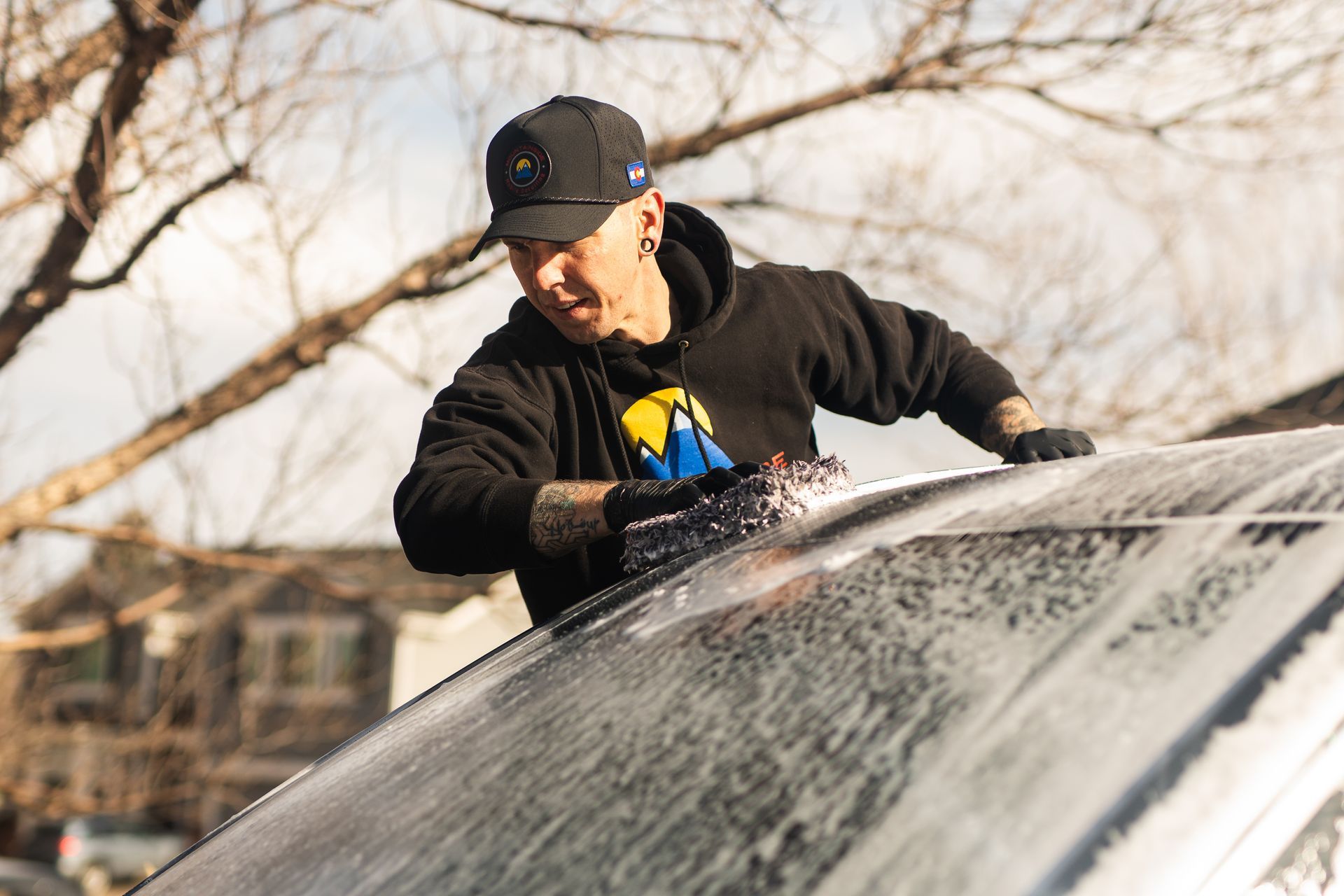
Hand washing with proper technique is the gentlest approach. Use a pH-neutral car soap specifically, as acidic or alkaline cleaners can degrade the film's top coat over time. Fill two buckets, one with wash solution and one with rinse water.
Use a quality microfiber wash mitt rather than sponges or brushes. Rinse your mitt frequently before returning to the soap solution. Work from the top of the vehicle downward since lower panels carry more contamination.
Touchless Car Wash Alternative
When hand washing isn't practical, touchless automatic car washes provide a reasonable alternative. These systems use high-pressure water without physical contact. Avoid automatic car washes with spinning brushes entirely, as they collect debris that drags across your film.
Pressure Washing Considerations
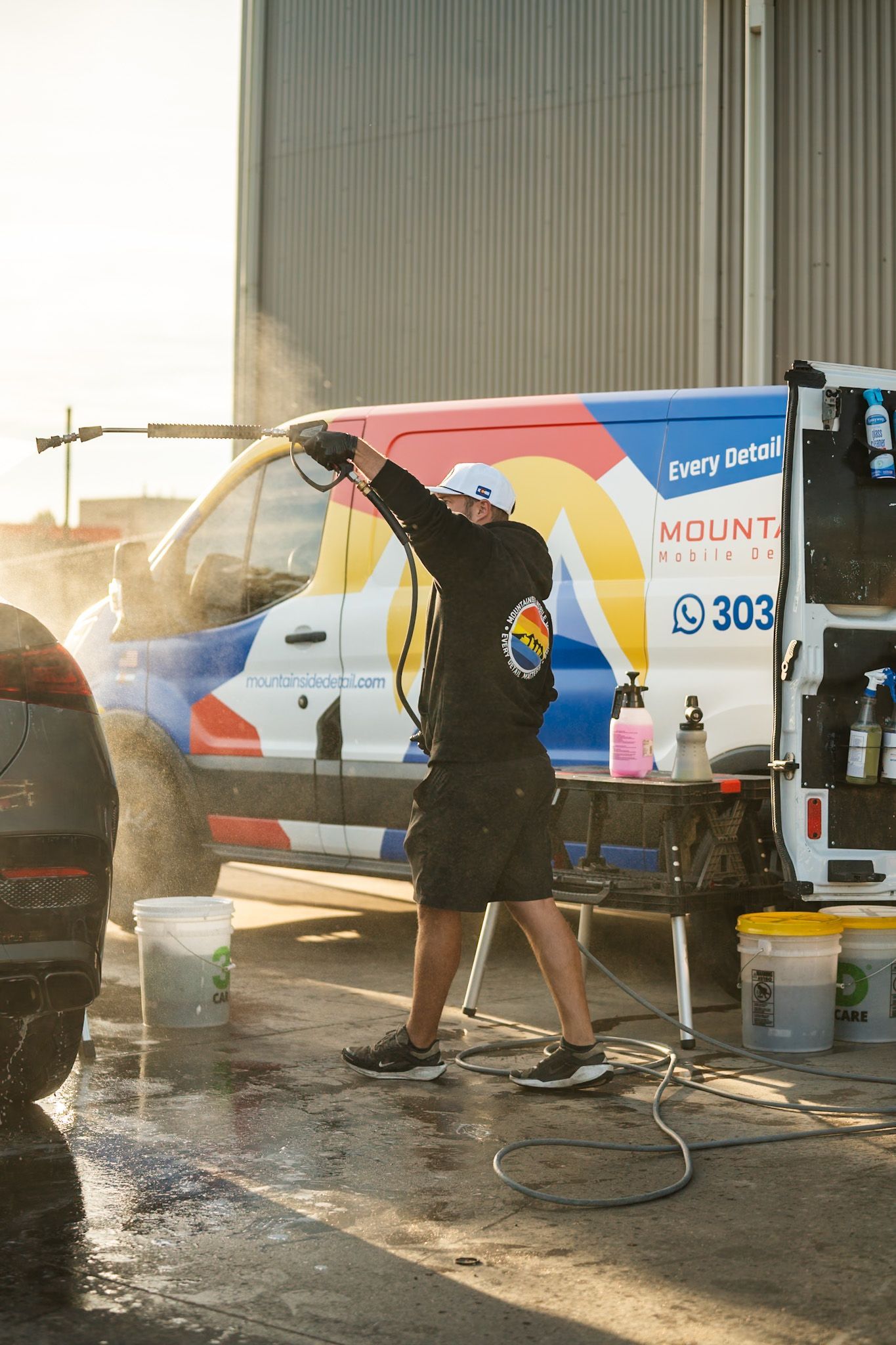
Pressure washers require careful technique around film.
Distance and Edge Protection
Keep the pressure washer nozzle at least 36 inches from the film surface. Use a wide spray pattern rather than a focused jet. Never aim the pressure washer directly at the film's edges, as concentrated water pressure can lift edges and compromise adhesion.
Angle the spray so water flows away from edges rather than underneath them. Once an edge lifts, professional attention is typically needed to reseal or replace that section.
Drying Technique
Use clean, high-quality microfiber drying towels. Pat the surface gently rather than dragging or wiping with pressure. Worn or contaminated towels introduce surface marring, so if a towel has been dropped or used on wheels, don't use it on film.
Dry your vehicle promptly after washing to avoid water spots, or wash in shaded conditions when possible.
What to Avoid
Harsh Chemicals
Avoid products containing petroleum distillates, degreasers, or strong solvents. These strip the film's protective top coat, leaving it hazy. Bug and tar removers often contain chemicals that harm film.
Abrasive Materials
Never use abrasive pads, stiff brushes, or clay bars directly on film. Exterior detailing professionals understand which techniques apply to film and which should be avoided.
Automatic Brush Washes
Spinning brushes pose the greatest risk to film appearance. Each trip introduces surface marring that accumulates into visible haze.
Wax and Polish Products
Many traditional wax and polish products contain mild abrasives that gradually wear the top coat. Use products specifically designed for paint protection film.
Handling Minor Surface Marring
Quality paint protection film has self-healing properties that address minor surface marring.
Heat Activation
The film's top coat softens when warmed, allowing minor marks to flow back into place. Park your vehicle in direct sunlight for a period, or pour warm water over the affected area in cooler weather.
When Self-Healing Isn't Enough
Some marks exceed what self-healing can address. If marks remain after heat treatment,
maintenance detailing can assess whether professional treatment is needed.
Building a Sustainable Care Routine
Regular, gentle care produces better results than occasional aggressive cleaning.
Rinse your vehicle weekly to remove surface contamination before it bonds to the film. Wash with pH-neutral soap every two to four weeks depending on driving conditions. Check film edges and high-impact areas seasonally for lifting, discoloration, or damage that may need attention.
Understanding what causes swirl marks on car paint and film allows you to build habits that preserve appearance over the long term.
For questions about maintaining your vehicle's appearance or the services we currently offer, contact us to discuss your needs.
Frequnatly Ask Questions
Can I use a regular car wash soap on paint protection film?
pH-neutral car soap is recommended for paint protection film. Regular car soaps vary in acidity and alkalinity, and those outside the neutral range can degrade the film's protective top coat over time. Look for products labeled pH-neutral or specifically formulated for coated or filmed vehicles. When uncertain, err toward gentler products.
How long should I wait after installation before washing?
Most installers recommend waiting before washing newly installed film. This allows the adhesive to cure fully and prevents moisture from affecting the bond. Follow the specific guidance from your installer, as cure times vary by product and installation conditions.
Will paint protection film prevent all damage to my paint?
Film protects against rock chip damage, minor impacts, and surface contamination that would otherwise affect paint. However, it has limits. Severe impacts can still damage both film and paint beneath. The film is designed to be sacrificial, taking damage that would otherwise reach your paint, but it cannot prevent all possible harm.
How do I know if my film needs replacement?
Signs that film may need attention include persistent cloudiness that doesn't respond to cleaning, visible yellowing, lifting edges that won't reseal, or damage that penetrates through the film. If self-healing no longer addresses surface marring or the film looks noticeably different from when installed, professional assessment can determine whether repair or replacement is appropriate.
Can I apply ceramic coating over paint protection film?
Many vehicle owners apply ceramic coating over paint protection film for additional protection and easier maintenance. The coating adds another layer that repels contamination and makes washing easier. Ensure the coating product is compatible with film, and understand that the coating will eventually need maintenance or reapplication.