
What Causes Swirl Marks on Car Paint and How to Prevent Them
You wash your car regularly, yet under direct sunlight, faint circular patterns appear across the paint. These swirl marks seem to multiply despite your efforts. The frustration is common among vehicle owners who care about appearance.
Understanding what causes swirl marks on car paint reveals that the problem often traces back to how the vehicle is washed, dried, and maintained. Once you identify these habits, you can change them.
At Mountainside Mobile Detailing, we help Denver Metro Area vehicle owners understand paint care and address existing damage when prevention comes too late.
What Swirl Marks Actually Are
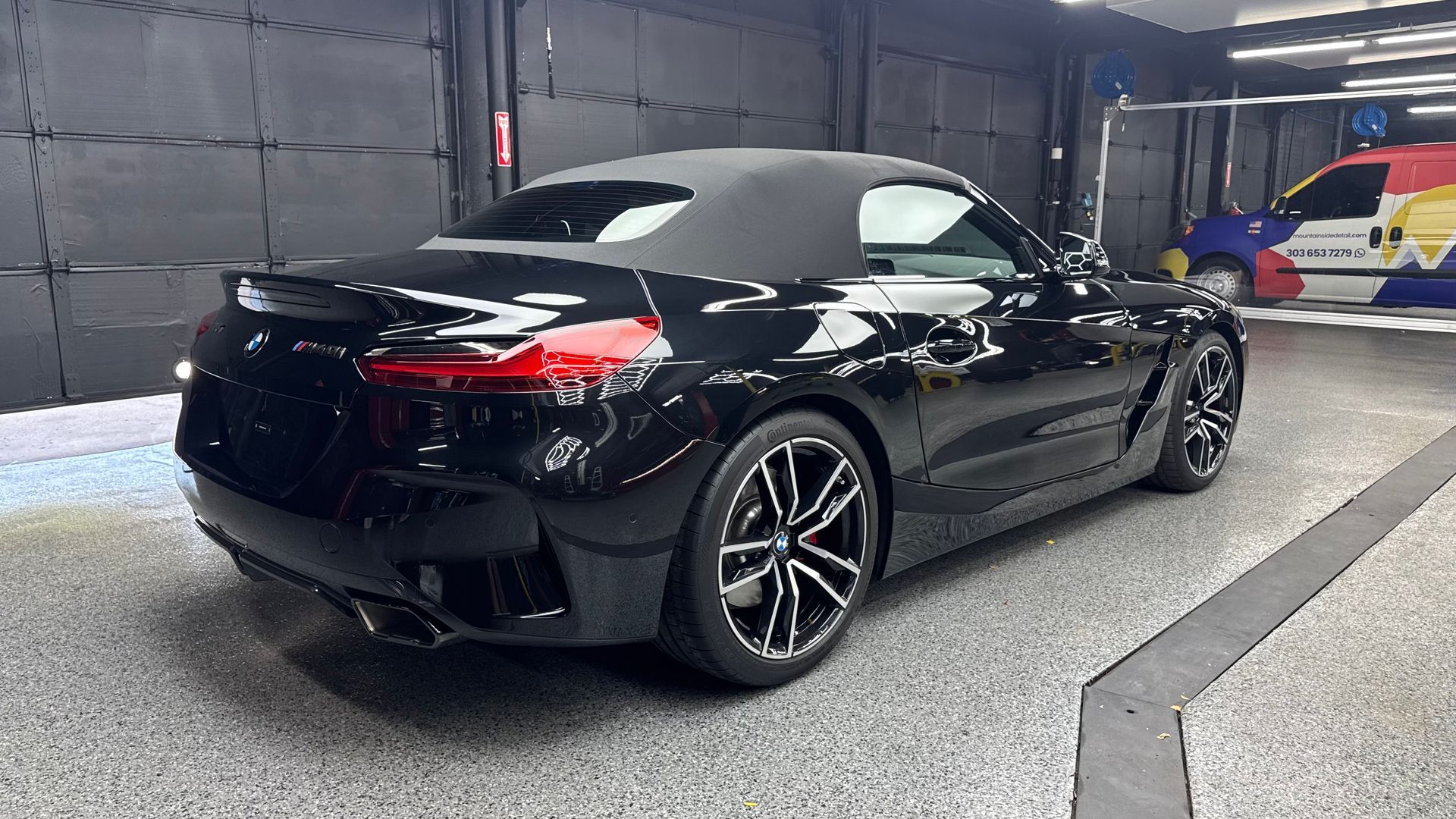
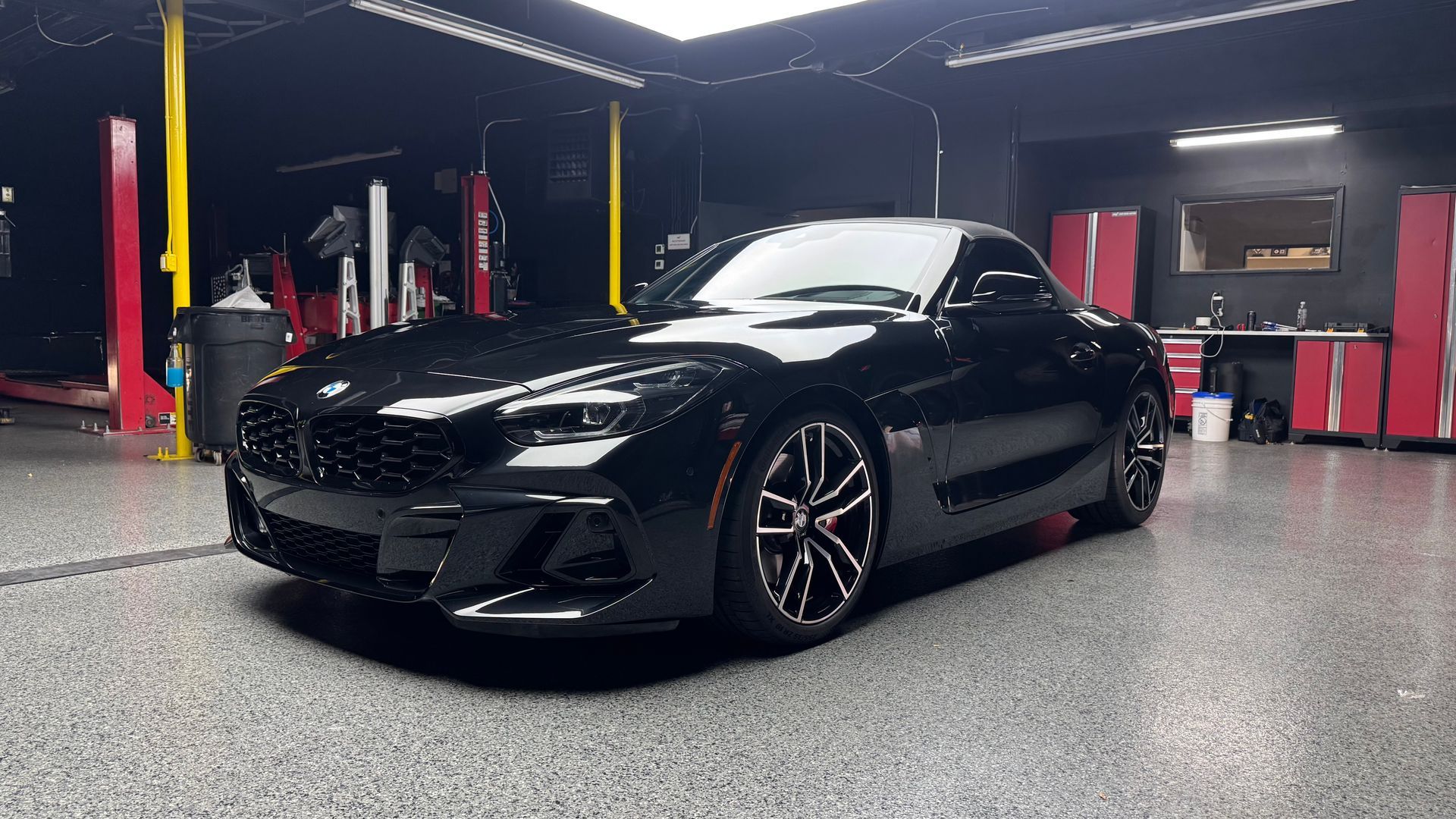
Swirl marks are fine, circular patterns of surface marring visible under direct light. They appear as a hazy web across panels, most noticeable on darker colors. These marks are micro-defects in the clear coat layer.
Each mark represents a point where something dragged across the surface with enough pressure to disturb the clear coat. Individually, these marks are nearly invisible. Collectively, they create the dull appearance that frustrates owners who thought they were caring for their paint properly.
Common Causes of Swirl Marks
Several everyday habits introduce swirl marks over time. Most vehicle owners engage in at least one of these practices without realizing the cumulative effect.
Automatic Car Wash Brushes
Automatic car washes with spinning brushes are among the most common sources. These brushes collect dirt from every vehicle that passes through. When the brushes contact your paint, trapped particles drag across the surface. The speed and pressure compound the issue.
Dirty Wash Mitts and Sponges
A wash mitt that hasn't been rinsed properly carries dirt from your last pass. That dirt drags along the surface during your next wipe. Traditional sponges are particularly problematic because their flat surfaces trap particles against the paint. Quality microfiber wash mitts with deep fibers lift contamination away from the surface.
Dry Wiping Dust and Debris
Wiping dust with a dry cloth drags particles directly across the paint. Even light dust contains abrasive elements. Quick detail sprays provide lubrication that allows dust to be lifted rather than dragged. Dry wiping, no matter how gentle, introduces marks over time.
Low-Quality Drying Towels
Rough or worn towels drag across paint rather than absorbing water gently. Quality microfiber drying towels with high GSM (grams per square meter) absorb water without requiring pressure. Patting or blotting rather than dragging reduces contact friction.
Aggressive Polishing Technique
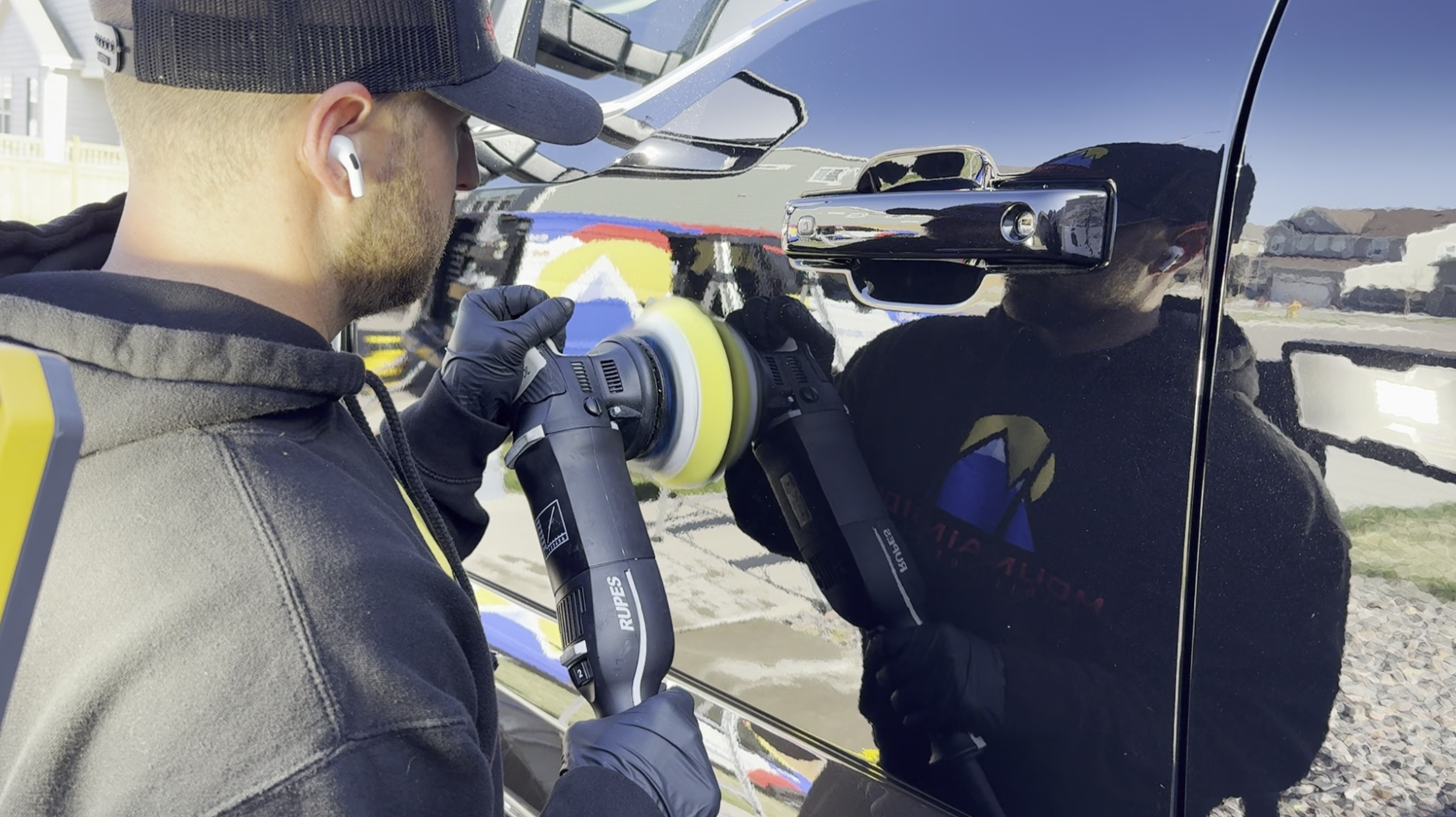
Attempting to remove imperfections with improper technique can introduce new marks. Too much pressure, wrong pad selection, or insufficient product create friction that mars the surface. Professional paint correction addresses this with proper technique and equipment.
Why These Marks Accumulate
Swirl marks are cumulative. Each wash, each dry wipe, each trip through an automatic car wash adds to the total. This explains why your paint may look progressively worse despite regular washing.
Darker paint colors show swirl marks more readily due to how light reflects. A black vehicle reveals marks that might be invisible on white paint. The marks exist on lighter vehicles too, just harder to see.
Preventing Swirl Marks
Breaking the cycle requires changing specific habits. The adjustments are straightforward once you understand what introduces the marks.
Wash Method Changes
Consider avoiding automatic car washes with spinning brushes. Touchless automatic washes or careful hand washing reduce paint contact significantly.
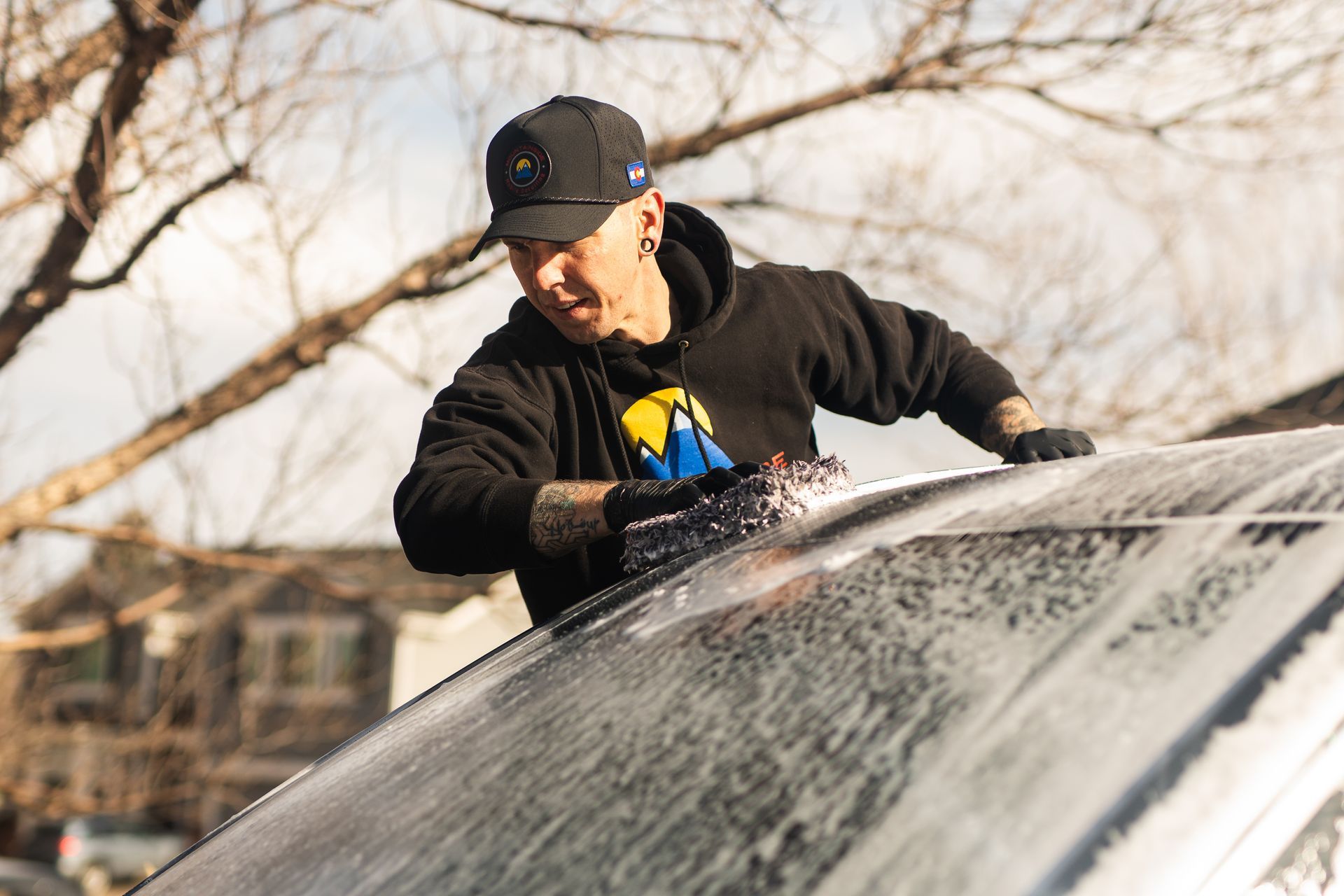
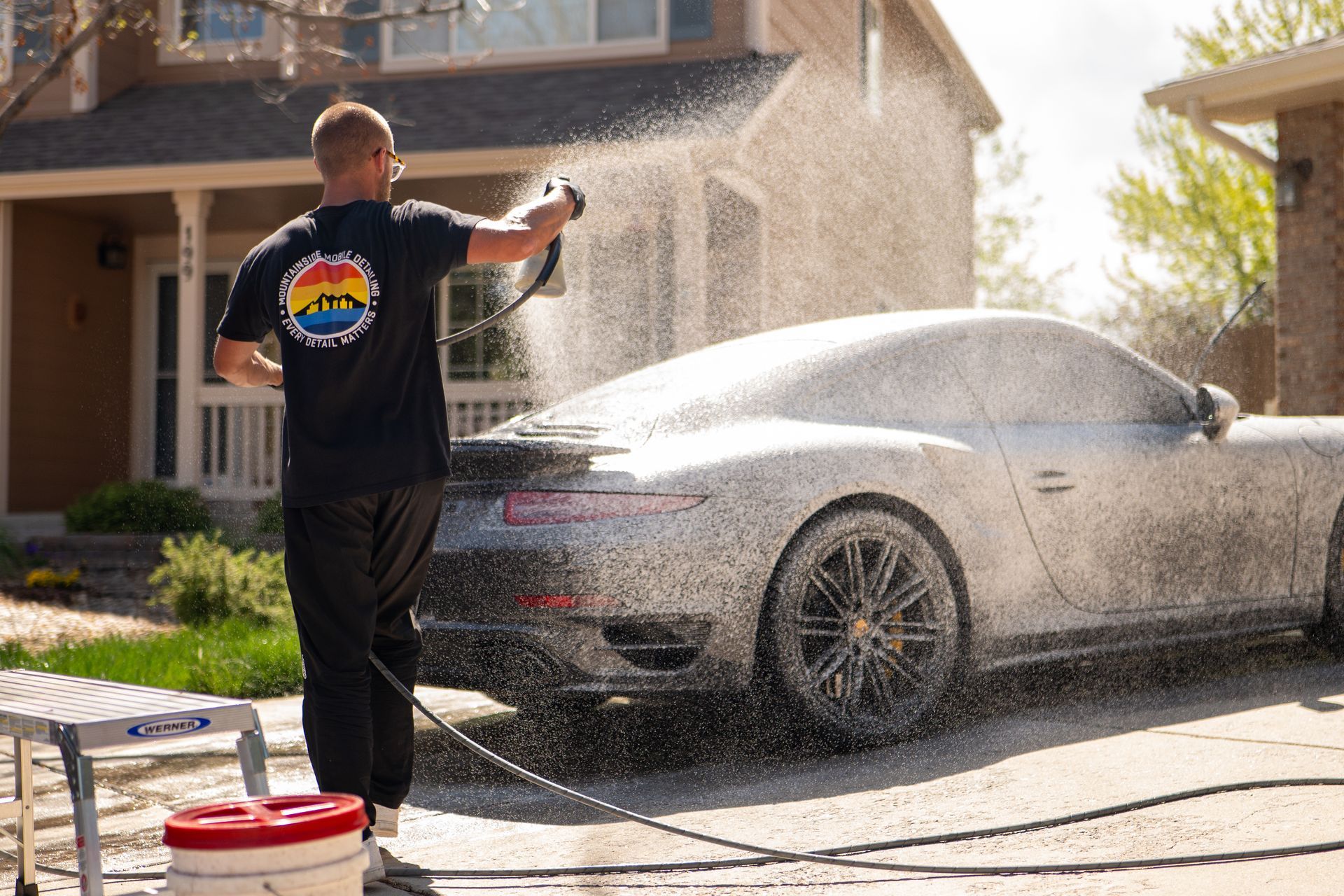
When hand washing, use the two-bucket method. One bucket holds clean wash solution, the second for rinsing your mitt before each new pass. Start from the top and work downward since lower panels carry more contamination.
Proper Drying Technique
Use quality microfiber drying towels and avoid dragging them across the paint. Blot or pat water away rather than wiping. Let the towel absorb water through contact rather than friction.
Avoid Dry Contact
Never wipe dust from your paint without lubrication. Use a proper detail spray that provides slip between the surface and your towel. Sometimes the best approach is waiting until you can wash properly.
Protect the Paint Surface
Ceramic coating creates a protective layer over your clear coat. This layer takes the contact during washing rather than your paint directly. Protection also helps contamination release more easily during washing.
When Prevention Comes Too Late
If your paint already shows significant swirl marks, prevention alone won't restore clarity. Existing marks require correction to remove.
Paint correction removes a thin layer of clear coat containing the damaged area, revealing undamaged clear coat beneath. Professional exterior detailing addresses paint condition and can determine if correction would benefit your vehicle.
After correction restores clarity, protection prevents the cycle from starting over. Many owners correct existing damage and then apply protection, creating a fresh starting point for better habits.
Building Better Habits
Understanding what causes swirl marks on car paint is the first step toward preventing them. The marks result from specific contact patterns during washing, drying, and quick cleanups.
Small changes make significant differences. Using proper wash technique, quality materials, and avoiding dry contact all reduce new marks. For vehicles already showing damage, correction restores what prevention cannot.
For questions about your paint's condition, contact us to discuss your vehicle's needs.
Frequently Ask Questions
Why do swirl marks only show up in direct sunlight?
Swirl marks are visible when light reflects off the paint at certain angles. Direct sunlight provides the intensity needed to reveal these fine marks. Under overcast skies or in shade, the same marks exist but don't catch light the same way. Parking in direct sun after washing often reveals marks you couldn't see in the shade.
Can swirl marks be removed completely?
Yes, swirl marks can typically be removed through paint correction. The process removes the thin layer of clear coat containing the marks. However, clear coat has limited thickness, so repeated corrections over many years reach a limit. Preventing new marks after correction preserves your clear coat long term.
Are some paint colors more prone to swirl marks?
All paint colors develop swirl marks under the same conditions, but darker colors reveal them more readily. Black and dark blue vehicles show marks that would be nearly invisible on white paint. The marks exist on lighter vehicles too. Darker paint simply makes them more visible.
Do touchless car washes prevent swirl marks?
Touchless car washes eliminate brush contact that introduces many swirl marks. However, the chemicals used can be harsh, and high-pressure water may push contamination across the paint. Touchless washes are generally safer than brush washes but not risk-free. Proper hand washing with correct technique remains the gentlest option.
How often should I wash my car to prevent swirl marks?
Washing frequency matters less than washing technique. Washing often with poor technique introduces more marks than washing less frequently with proper methods. Focus on how you wash rather than how often. Remove contamination before it bonds to the surface, but use proper lubrication, quality materials, and gentle technique each time.