
What Tesla Owners Should Know About Detailing Their Vehicle
Tesla owners often discover their vehicles require different care than traditional cars. The paint behaves differently. Cameras and sensors need careful protection during cleaning. Understanding these differences helps you maintain your Tesla's appearance.
These Tesla detailing tips address unique EV considerations and help you know what to ask when booking professional detailing service.
At Mountainside Mobile Detailing, we serve vehicle owners throughout the Denver Metro Area with professional detailing services.
Understanding Tesla Paint Characteristics
Many Tesla owners notice their paint shows wear differently than other vehicles.
Softer Factory Finish
Tesla paint on many models is known within the detailing community for being softer than paint on some other manufacturers' vehicles. Softer paint shows swirl marks and surface marring more readily.
This means standard car wash methods often create the swirl marks Tesla owners notice under direct light. Automatic car washes, improper hand washing, and aggressive drying can all introduce surface defects.
Why This Matters
Understanding your paint's characteristics helps you make better care decisions. Softer paint requires gentler washing methods and makes paint protection more valuable.

Washing Your Tesla Safely
Proper washing technique matters more for Tesla than for many other vehicles.
Gentle Methods
The goal is removing contamination with minimal paint contact. This typically means thorough pre-rinsing, quality wash products, and a technique that lifts dirt rather than dragging it across the surface.
Many Tesla owners find touchless washing or careful hand washing produces better results than automatic car washes. The brushes in automatic washes can create the swirl marks visible in Tesla's paint.
Drying Considerations
How you dry matters as much as how you wash. Dragging towels across the surface can create surface marring. Proper drying techniques minimize contact while removing water effectively.
Charge Port and Electrical Considerations
Washing an EV requires awareness of electrical components that traditional vehicles don't have.
Charge Port Protection
While Tesla vehicles handle normal weather exposure, direct high-pressure water spray into the charge port area should be avoided during washing. Ensuring the charge port door is closed before washing provides appropriate protection.
No Traditional Engine Bay
Tesla vehicles don't have a traditional engine bay. The front trunk requires appropriate cleaning methods, which simplifies some aspects while requiring awareness of what's appropriate for that space.
Camera and Sensor Care
Tesla's cameras and sensors require attention during detailing.
External Cameras
Tesla vehicles have multiple external cameras supporting Autopilot and other driver assistance features. These need gentle cleaning with appropriate products to avoid surface damage. Harsh chemicals or abrasive materials can affect lens clarity over time.
Ultrasonic Sensors
The sensors around Tesla bumpers need to remain clean and fully unobstructed. Contamination buildup can affect sensor function. Detailing should address these areas while being gentle with sensor surfaces.
Paint Protection for Tesla
Given Tesla paint characteristics, protection provides significant value.
Why Protection Matters
Softer paint that shows wear more readily benefits particularly from protection. Ceramic coating creates a protective layer that makes washing safer. The coating takes the contact rather than your paint, and its hardness provides resistance that softer factory paint lacks.
Protected Tesla paint maintains appearance better through regular washing. The protection makes contamination easier to remove, reducing aggressive cleaning that creates surface defects.
Paint Correction First
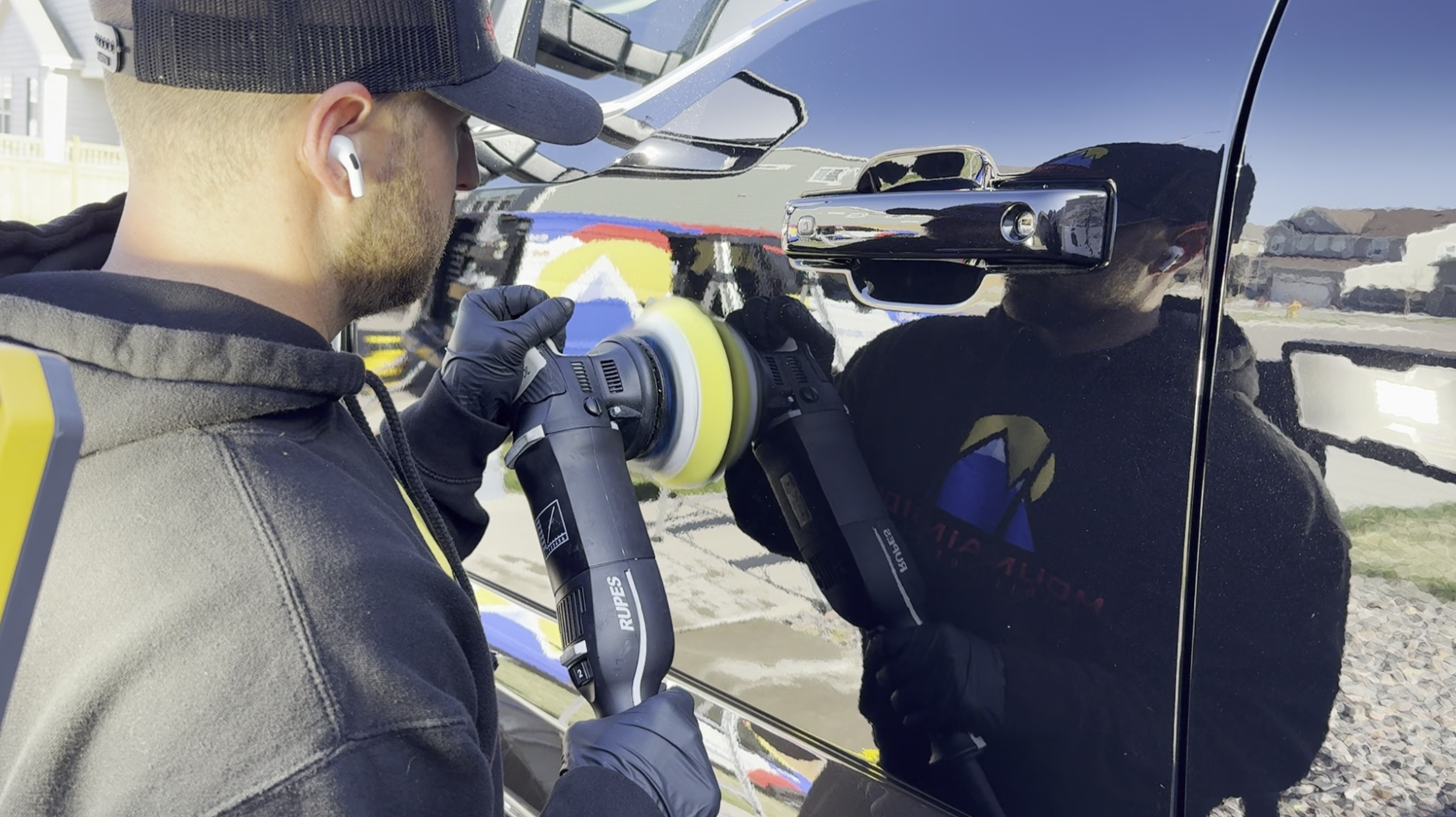
If your Tesla already shows swirl marks or surface marring, protection alone won't hide existing defects. Paint correction addresses existing imperfections before protection is applied. This combination restores appearance and preserves that restored condition.
Interior Detailing Considerations
Tesla interiors have their own characteristics worth understanding.
Screen Care
The large touchscreen requires appropriate cleaning. Harsh chemicals or abrasive materials can damage screen coatings. Proper cleaning maintains clarity and touch responsiveness.
Vegan Leather Surfaces
Tesla uses synthetic leather materials requiring appropriate cleaning and conditioning products designed for synthetic materials rather than traditional leather care.
Minimalist Interior
Tesla's minimalist design means fewer crevices than traditional vehicles, simplifying some aspects while requiring appropriate care for Tesla-specific materials.
What to Ask When Booking
When scheduling professional detailing for your Tesla, asking the right questions helps ensure appropriate service. Consider asking about washing methods used, how cameras and sensors are handled, what products are used on screens and synthetic surfaces, and whether the detailer understands EV-specific considerations.
Professional Tesla Care
Full detailing addresses your complete Tesla inside and out. Exterior detailing focuses on paint care, while interior detailing addresses cabin surfaces appropriately.
Understanding these Tesla detailing tips helps you maintain your vehicle's appearance and know what to expect from professional service.
For questions about detailing your Tesla, contact us to discuss your vehicle's specific needs.
Frequently Asked Questions
Why does my Tesla show swirl marks when other cars I've owned didn't?
Tesla paint on many models is softer than paint from some other manufacturers. Softer paint shows surface defects more readily. Contact that might not leave visible marks on harder paint can create swirl marks on softer finishes. This doesn't mean the paint is defective, just that it requires gentler care to maintain appearance.
Can I take my Tesla through automatic car washes?
While Tesla vehicles can physically go through automatic washes, many owners find these create the swirl marks they're trying to avoid. The brush contact in automatic washes often affects softer paint. Touchless automatic washes or careful hand washing typically produce better long-term results for maintaining paint appearance.
Is ceramic coating worth it for a Tesla?
Given Tesla's softer paint characteristics, ceramic coating provides particular value. The coating creates a harder protective layer over softer factory paint. This protection takes the contact during washing rather than your paint, reducing wash-induced surface defects. For Tesla owners concerned about maintaining appearance, coating often makes sense.
How should I clean my Tesla's cameras and sensors?
Camera lenses and sensors need gentle cleaning with appropriate products. Avoid harsh chemicals or abrasive materials that could affect lens clarity or sensor surfaces. Clean these areas as part of regular washing using soft materials and products designed for sensitive surfaces. If sensors seem to malfunction after cleaning, consult Tesla service.
Does detailing an EV require different techniques than regular cars?
Some aspects differ. Charge port protection during washing, the absence of a traditional engine bay, and camera/sensor care are EV-specific considerations. Tesla's softer paint also requires gentler methods than some other vehicles. Professional detailers familiar with EVs understand these differences and adjust their approach accordingly.