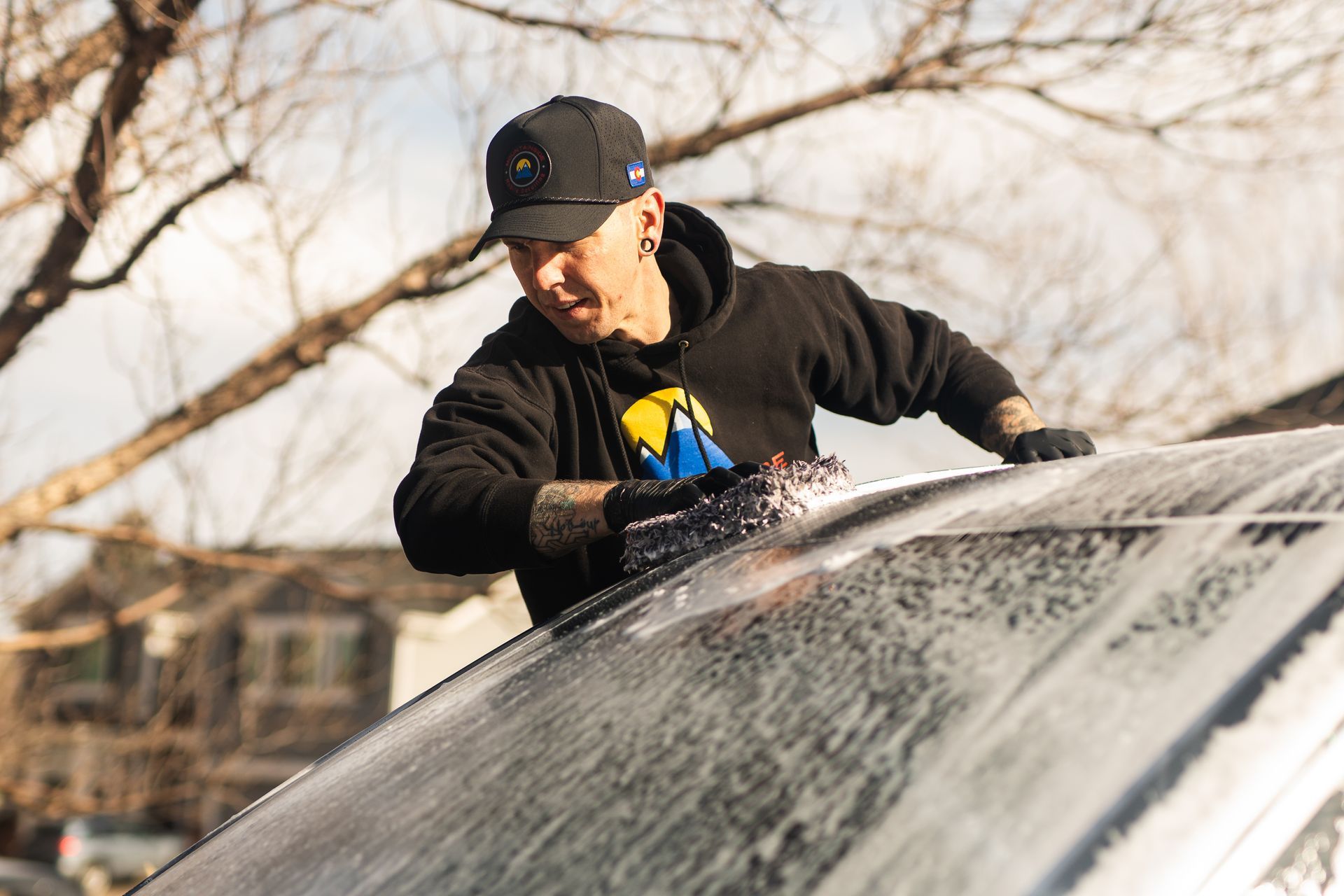

Ceramic Coating for More Than Paint: Wheels, Glass, and Trim Applications
Most conversations about ceramic coating focus on body paint. That makes sense. The paint is what you see first, and protecting it delivers obvious visual and practical benefits. But your vehicle has other surfaces that face their own challenges, and coating technology works on many of them.
If you already understand ceramic coating wheels glass trim applications or have protected your paint, the natural question becomes: what else can benefit from this protection? The answer depends on your driving conditions, maintenance preferences, and which surfaces cause you the most ongoing frustration.
This guide covers the three most common add-on applications: wheels, glass, and exterior trim. Each serves a different purpose and delivers different benefits. Understanding what each does helps you decide which additions make sense for your situation.
At Mountainside Mobile Detailing, we approach vehicle protection holistically. Our ceramic coating services can address multiple surfaces, not just body paint.
Wheel Coatings and Brake Dust Management
Wheels collect contamination faster than almost any other surface on your vehicle. They sit close to the road, catch spray from every puddle, and receive constant heat from your brakes. That heat creates a particular problem: brake dust.
The Brake Dust Challenge
Every time you apply your brakes, friction between the pad and rotor creates fine metallic particles. These particles spray outward and land on your wheel surfaces while still hot. The heat helps them bond to the wheel finish, and over time, they become increasingly difficult to remove.
Left unaddressed, brake dust etches into clear-coated and painted wheel finishes. What starts as a cleaning annoyance becomes actual damage to the wheel surface. Dark brake dust staining becomes visible on light-colored wheels within days of washing.
How Wheel Coating Helps
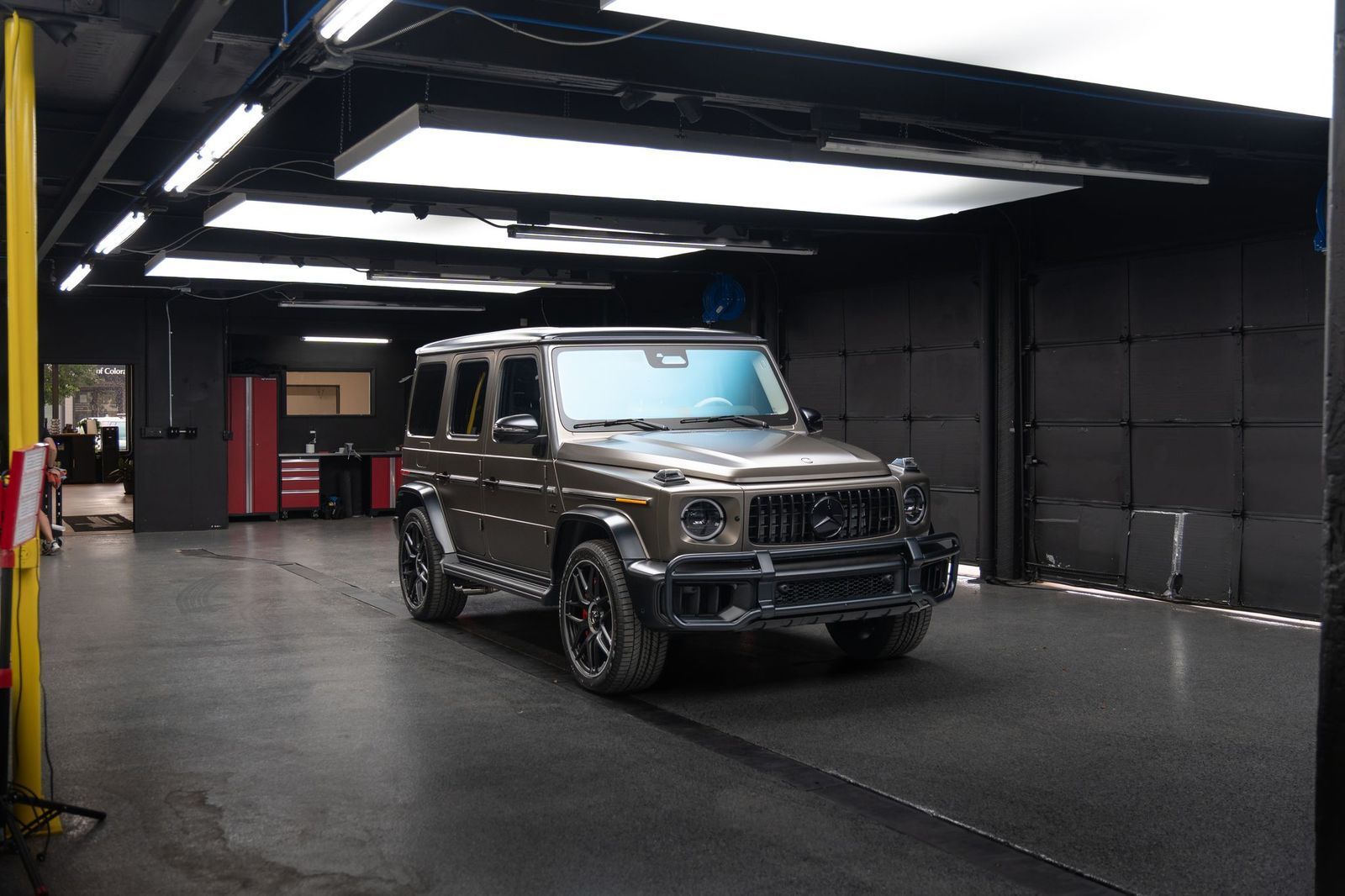
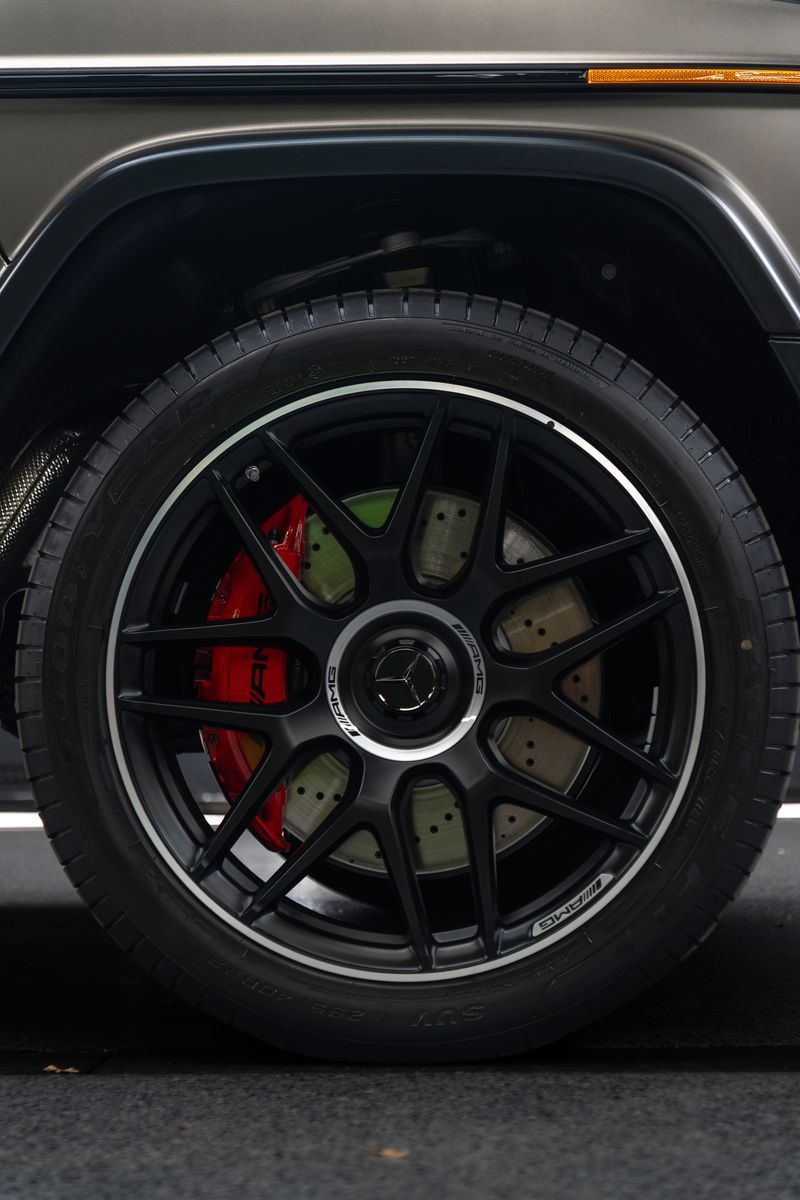
A ceramic coating on wheel surfaces creates a barrier between the wheel finish and contamination. Brake dust still lands on the wheels, but it cannot bond as effectively to the coated surface. This makes cleaning significantly easier and reduces the accumulation that leads to etching.
The coating also provides protection against road salt, tar, and chemical exposure from tire cleaners and degreasers. Wheels face harsh conditions that body paint never encounters, and the coating helps them resist that environment.
Benefits vehicle owners typically notice include:
- Brake dust wipes away more easily during regular washing
- Wheels stay cleaner between washes
- Less aggressive cleaning products and techniques needed
- Reduced risk of lasting stains from bonded contamination
Practical Considerations
Wheel coatings do not prevent brake dust from appearing. They make managing it easier. If you expect coated wheels to look spotless without maintenance, you will be disappointed. The benefit lies in reduced effort and better long-term preservation of the wheel finish.
Wheels with intricate spoke designs benefit most because those designs create areas where contamination collects and proves difficult to clean. Simpler wheel designs still benefit, but the difference may be less dramatic.
Beyond Boundaries
Glass Coatings and Visibility in Wet Conditions
Your windshield and side windows do more than let you see out. They are safety surfaces that directly affect your ability to drive safely in challenging conditions. Glass coatings address a specific problem: water behavior during rain.
The Visibility Problem
Uncoated automotive glass allows water to spread across its surface during rain. This creates a film that distorts your view, forces heavy reliance on wipers, and reduces visibility even when wipers are working. At highway speeds, the problem compounds because water spreads faster than wipers can clear it.
Side windows and mirrors present their own challenges. Water droplets cling to these surfaces and obstruct your view of adjacent lanes. Checking blind spots becomes more difficult, and changing conditions in rain require more attention.
How Glass Coating Helps
A hydrophobic coating on glass changes how water interacts with the surface. Instead of spreading into a film, water beads up and rolls off. At highway speeds, airflow pushes water droplets off the windshield before they can accumulate. The result is significantly improved visibility during rain.
The coating also helps with:
- Morning condensation clearing faster
- Frost releasing more easily in winter
- Bug residue and tree sap releasing with less effort
- Road spray cleaning off side windows more readily
The Driving Experience
Vehicle owners who spend time on highways during rain often notice the most benefit. The ability to see clearly without constant wiper use reduces fatigue on long drives and improves reaction time in traffic.
City driving benefits as well, particularly for side windows. Better visibility when checking mirrors and blind spots makes lane changes safer in wet conditions.
Glass coating does not eliminate the need for wipers entirely. It supplements their function and performs best at speeds where airflow can assist in clearing water. At low speeds in heavy rain, wipers remain necessary, though they work more effectively on coated glass.
Trim Coatings and Protection Against Fading
Exterior trim includes the black plastic pieces around windows, along rocker panels, on mirror housings, and throughout wheel wells. These components serve functional and aesthetic purposes, but they age differently than painted surfaces.
The Trim Degradation Problem
Black plastic trim fades and turns gray over time, particularly when exposed to intense sunlight. Colorado's elevation intensifies UV rays, speeding up this process. Faded trim makes even well-maintained vehicles look older than they are.
In addition to fading, untreated trim attracts water spots and shows contamination more readily than it did when new. The surface becomes rough and loses the deep black appearance that complements painted body panels.
How Trim Coating Helps
A coating designed for plastic trim creates a protective layer that resists UV degradation. The coating also provides a hydrophobic surface that sheds water and resists spotting. Contaminants sit on the coating rather than absorbing into the porous plastic surface.
The visual result is trim that maintains its dark, uniform appearance longer. The practical result is easier cleaning and less frequent restoration treatments.
Benefits include:
- Slower fading compared to unprotected trim
- Reduced water spotting after rain
- Easier contamination removal
- More uniform appearance between trim pieces
Managing Expectations
Trim coating extends the life and appearance of plastic components, but it does not eliminate the need for maintenance. Fading occurs more slowly on coated trim, but environmental factors still affect the surface over time. Periodic reapplication maintains protection as the initial coating wears.
Trim coating works best when applied to trim in good condition. Heavily faded or damaged trim should be restored before coating, as the coating preserves current condition rather than reversing existing damage.
Deciding Which Add-Ons Make Sense
Not every vehicle needs every coating application. The decision depends on your specific situation and which problems cause you the most frustration.
Wheels Make Sense If:
- You drive a vehicle with aggressive braking and significant brake dust
- You have light-colored or intricate wheel designs that show contamination
- You find wheel cleaning to be one of the most time-consuming parts of washing
- You want to reduce the frequency and intensity of wheel maintenance
Glass Makes Sense If:
- You drive frequently in rain or commute on highways during wet weather
- Morning condensation or winter frost creates regular inconvenience
- You want improved visibility without aftermarket solutions that require repeated application
- Your driving conditions include significant road spray from other vehicles
Trim Makes Sense If:
- Your vehicle parks outdoors regularly in direct sunlight
- You notice trim fading on previous vehicles you have owned
- You want to maintain the contrast between black trim and painted surfaces
- You prefer reducing the frequency of trim restoration products
Sands of Time
Beyond Boundaries
The Holistic Approach to Vehicle Protection
Understanding ceramic coating wheels glass trim applications helps you think about your vehicle as a complete system rather than just a painted body. Each surface faces different challenges, and coating technology can address many of them.
The approach we recommend starts with identifying your specific pain points. Which surfaces require the most maintenance time? Which show wear fastest in your driving conditions? The answers guide which add-on coatings deliver the most value for your situation.
Paint correction addresses existing damage before protection. Once surfaces are prepared, coating applications can address body paint, wheels, glass, and trim based on your priorities.
For ongoing protection, maintenance detailing helps preserve coated surfaces and extends the life of your coating investment.
If you want to discuss which coating applications make sense for your vehicle and driving conditions, contact us for a consultation.
Frequently Asked Questions
Do wheel coatings work on all wheel types?
Wheel coatings work on most common wheel finishes, including painted, clear-coated, powder-coated, and machined surfaces. Chrome wheels can also be coated, though the application process may differ. The coating bonds to the existing wheel finish and creates a protective layer regardless of the underlying material. Heavily damaged or corroded wheels should be restored before coating for best results.
How long do glass coatings last compared to retail water repellent products?
Professional glass coatings typically last significantly longer than retail spray-on products. Retail products may need reapplication every few weeks or after several washes. Professional coatings bond to the glass and can last a year or more depending on conditions and maintenance. The durability difference reflects the bonding method and product formulation, not just the thickness of application.
Can I apply trim coating to faded plastic?
Trim coating preserves current condition rather than restoring faded surfaces. Applying coating to already-faded trim locks in the faded appearance. For best results, restore faded trim to its original dark color using appropriate restoration products first, then apply coating to protect the restored finish. This approach delivers both immediate visual improvement and long-term protection.
Will wheel coating prevent all brake dust accumulation?
No. Wheel coating makes brake dust easier to remove, not invisible. Brake dust still lands on wheel surfaces during normal driving. The difference is that coated wheels release contamination more easily during washing, and brake dust is less likely to bond stubbornly to the wheel finish. You still need to clean your wheels regularly, but the process requires less effort and gentler products.
Should I coat all surfaces at once or can I add coatings later?
You can add coating applications at any time. Many vehicle owners start with body paint protection and add wheel, glass, or trim coatings later based on their experience and priorities. Adding coatings in stages allows you to evaluate benefits before committing to additional applications. The only consideration is that surfaces should be properly prepared before any coating application, which may require cleaning or correction work.