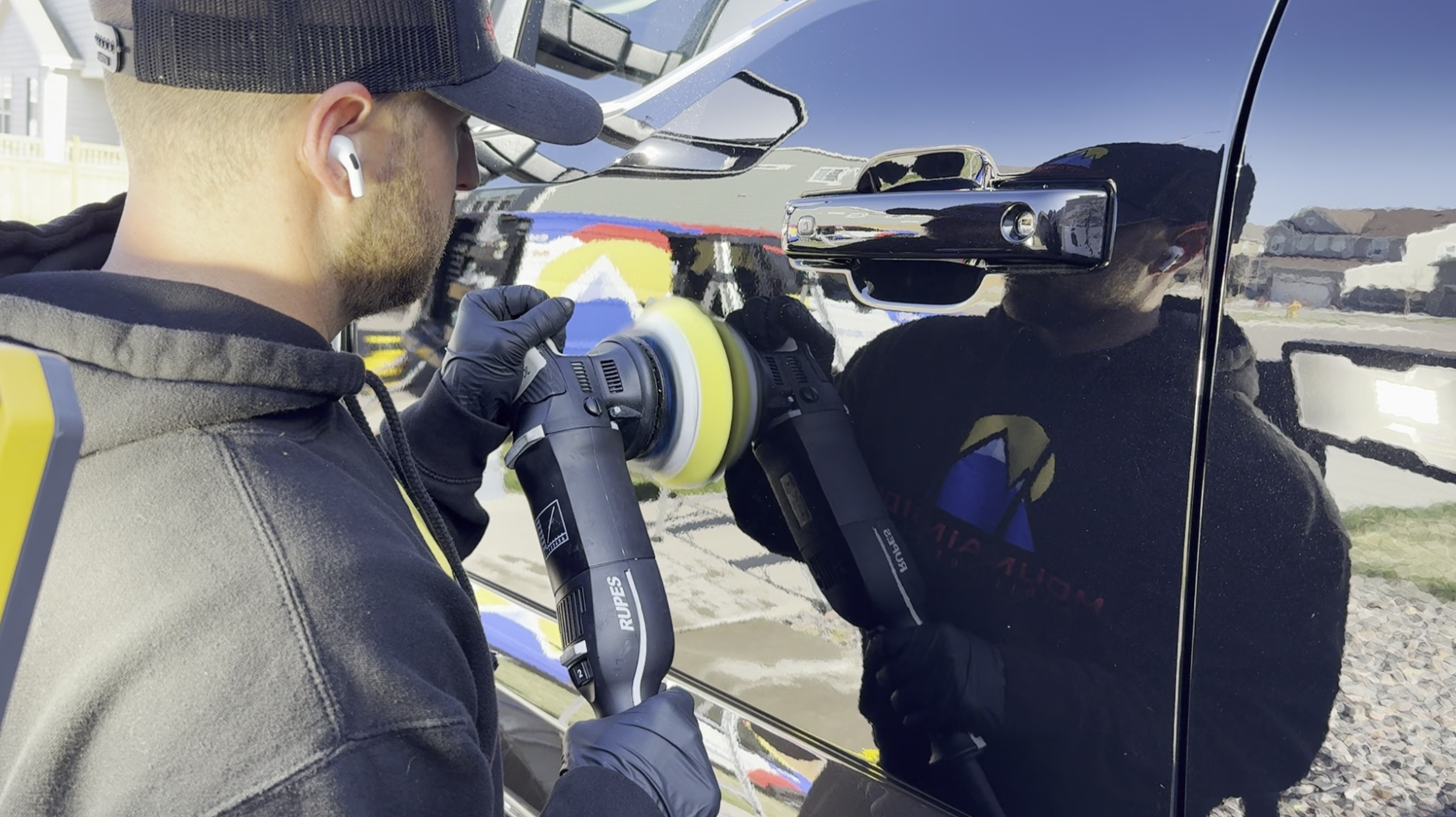

Winter Driving in Colorado: How Road Salt and De-Icer Damage Your Vehicle
Colorado winters present unique challenges for vehicle owners. Road salt, magnesium chloride brine, and freeze-thaw cycles create conditions that damage paint, undercarriage, wheels, and trim.
Understanding the winter car care colorado drivers need helps you protect your vehicle's appearance and value. This guide covers what happens to vehicles during Colorado winters and protective steps you can take.
At Mountainside Mobile Detailing, we help Denver Metro Area vehicle owners prepare for and recover from Colorado winter driving.
What Colorado Roads Do to Your Vehicle
Colorado uses specific products to manage winter conditions that affect your vehicle differently than in other states.
Magnesium Chloride Brine
Colorado roads are treated with magnesium chloride brine, a liquid de-icer applied before and during storms. This brine is highly corrosive and coats your entire vehicle as you drive. It's hygroscopic, meaning it attracts moisture and stays active on surfaces longer than dry salt.
Road Salt and Freeze-Thaw Cycles
Traditional rock salt accelerates corrosion on metal and damages paint. The Front Range experiences dramatic temperature swings with constant freeze-thaw cycles. This allows moisture-carrying salt to penetrate small openings, then expand as it freezes, worsening existing paint imperfections.
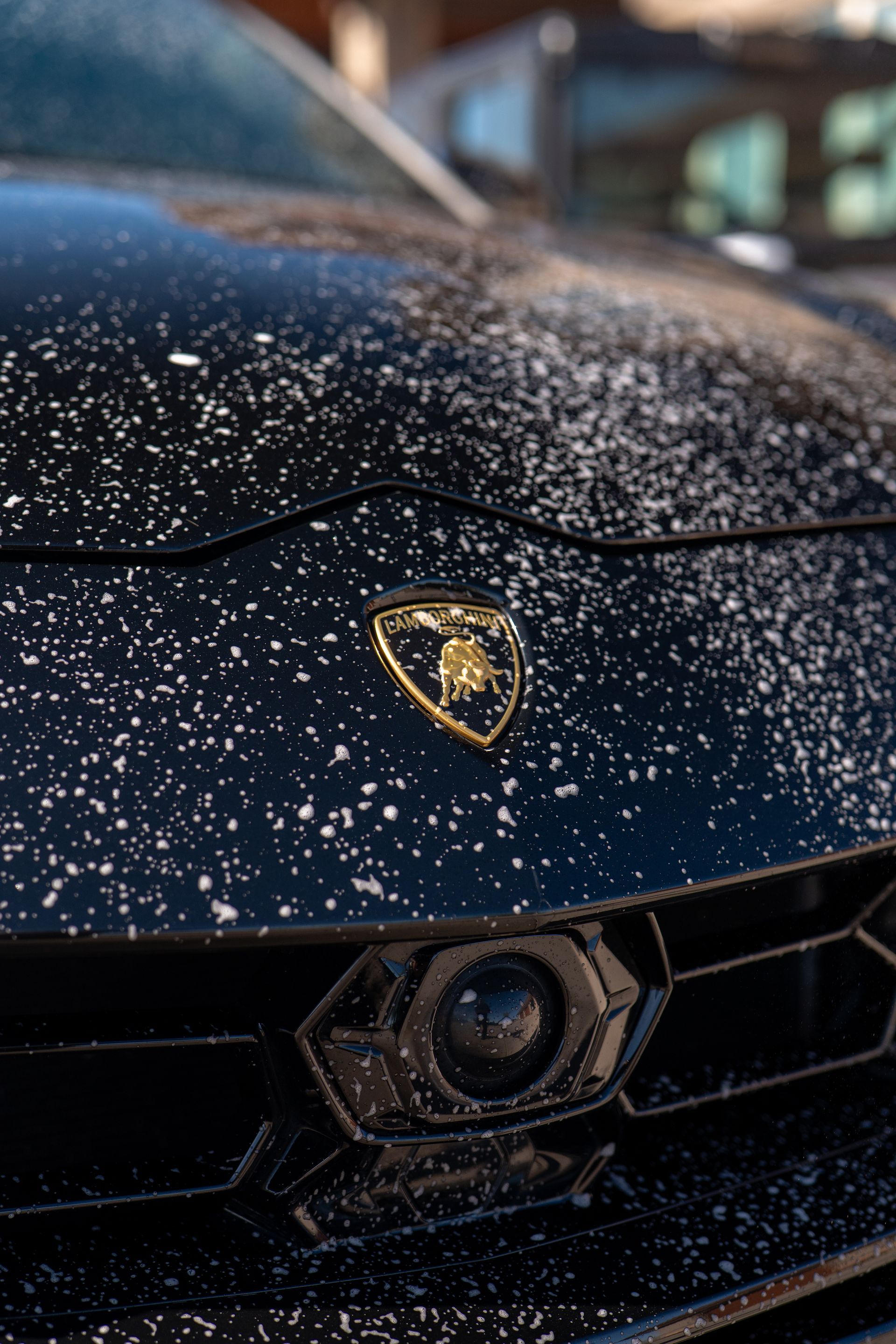

How Winter Products Damage Your Vehicle
Paint and Clear Coat
Salt and brine residue degrades clear coat over time, causing dull spots and accelerating oxidation. Vehicles regularly exposed without proper cleaning often show noticeable paint degradation by spring.
Undercarriage and Wheels
Your undercarriage receives the heaviest exposure to corrosive spray. Brake lines, suspension components, and frame members face constant contact. Wheels collect salt that remains against finishes, and brake dust combined with salt creates a particularly aggressive mixture.
Trim and Rubber
Plastic trim, rubber seals, and weatherstripping suffer from prolonged exposure. Salt causes rubber to crack prematurely and plastic to discolor or become brittle over time.
Before Winter: Preparation Steps
Preparing before winter provides the best protection. Ceramic coating creates a barrier between your paint and corrosive road treatments.
Paint Protection
Coated paint releases brine and salt more readily during washing. The barrier prevents corrosive products from direct contact with the clear coat. If your paint already shows swirl marks or surface marring, addressing those before applying protection ensures you preserve a corrected finish.
Undercarriage and Wheels
Clean your undercarriage thoroughly before winter. Accumulated grime traps salt against metal surfaces, so starting clean matters. Wheels also benefit from protective coatings that make salt removal easier throughout the season.
During Winter: Ongoing Care
Regular maintenance during winter months minimizes cumulative damage from repeated exposure.
Washing Frequency and Timing
Vehicles driven on treated roads benefit from frequent washing during winter months. The goal is to remove corrosive residue before extended contact. Wash soon after significant exposure, especially after ski trips along I-70 or heavy highway driving.
Undercarriage Attention
Winter washes should include undercarriage rinsing. This area receives the heaviest exposure and is easiest to neglect. Professional exterior detailing during winter addresses areas quick washes miss.
After Winter: Recovery Steps
When winter ends, your vehicle needs attention to assess and address seasonal damage.
Thorough Decontamination
Spring cleaning should go beyond a standard wash. Salt and brine bond to surfaces over the season and require proper removal. Full detailing provides thorough cleaning and the opportunity to assess your vehicle's condition after winter exposure.
Damage Assessment and Correction
Inspect carefully for paint oxidation, clear coat damage, wheel finish deterioration, and rust formation. If winter left visible damage or surface defects, paint correction can address these issues before you apply fresh protection for the coming year.
Building a Winter Care Plan
A solid winter car care colorado approach combines preparation, maintenance, and recovery into a seasonal routine.
Before the first snow, protect your paint and prepare your vehicle. Throughout winter, maintain regular washing focused on salt removal. After the final thaw, decontaminate thoroughly, assess condition, and correct any damage.
The right care minimizes winter damage significantly. While no approach fully prevents the effects of months of exposure, consistent attention protects your vehicle far better than neglect.
Colorado-Specific Considerations
Highway Corridors
I-25 and I-70 receive heavy treatment during storms. Commuters and ski traffic face highest exposure levels, warranting frequent attention.
Mountain Driving
Routes to ski areas involve extended exposure to treated roads in wet conditions. The drive home through warming temperatures means contaminated surfaces remain active.
Altitude Effects
Higher elevation means colder temperatures that slow drying, keeping salt and brine active longer. Rapid temperature changes along the Front Range amplify freeze-thaw damage.
For questions about preparing your vehicle for Colorado winter, contact us to discuss your needs.
Frequnatly Ask Questions
How often should I wash my car during Colorado winter?
Frequency depends on your driving patterns. Vehicles driven daily on treated highways benefit from more frequent washing during active winter months. After heavy storms or extended highway trips, washing sooner prevents extended exposure. The goal is removing corrosive residue before it has prolonged contact with your vehicle's surfaces.
Does ceramic coating protect against salt damage?
Ceramic coating creates a protective barrier that prevents salt and brine from making direct contact with your paint. This protection makes contamination easier to remove and reduces the corrosive effects of winter road treatments. However, coating doesn't eliminate the need for regular washing during winter. It makes your winter maintenance more effective, not unnecessary.
Can winter damage be repaired in spring?
Many types of winter damage can be addressed. Paint oxidation, clear coat etching, and surface defects often respond to professional correction. The key is addressing damage promptly rather than allowing it to compound over additional seasons. Some severe damage, particularly deep rust or heavily degraded clear coat, may require more extensive repair.
Is undercarriage washing really necessary?
Yes, particularly for Colorado vehicles. Your undercarriage receives the heaviest exposure to road treatments and is most vulnerable to rust formation. Many car washes offer undercarriage options. Professional detailing can provide more thorough undercarriage attention. Neglecting this area leads to component deterioration that affects safety and vehicle longevity.
When is the best time to apply paint protection for winter?
Apply protection before winter conditions arrive, ideally in fall before the first significant snow. This gives the coating time to cure fully before exposure begins. Applying protection mid-winter is possible but less ideal. Starting the season with protection already in place provides the full benefit throughout the winter months.