
How Long Car Paint Protection Film Lasts and What Affects Its Lifespan
Paint protection film is a real investment, so it's fair to want a straight answer about what you're getting. How many years of protection will it give you? Will it still look clear after a few Colorado summers? And what happens when it starts to wear?
Many sales pitches skip past those questions or promise more than any film can deliver. The honest answer is that lifespan isn't one fixed number. It depends on the film itself, how carefully it was installed, and how the vehicle is driven, parked, and cleaned.
This piece answers the question "how long does PPF last" with a realistic look at everyday conditions. You'll learn what wears film down faster, what helps it hold up, and how to judge whether the investment makes sense for the way you drive.
Mountainside Mobile Detailing believes clear expectations protect both your paint and your peace of mind. If you're considering PPF, here's what you should know before you decide.
What Paint Protection Film Is and What It Does
Before talking about lifespan, it helps to know what the film actually is. The idea is simple, even if the material is advanced.
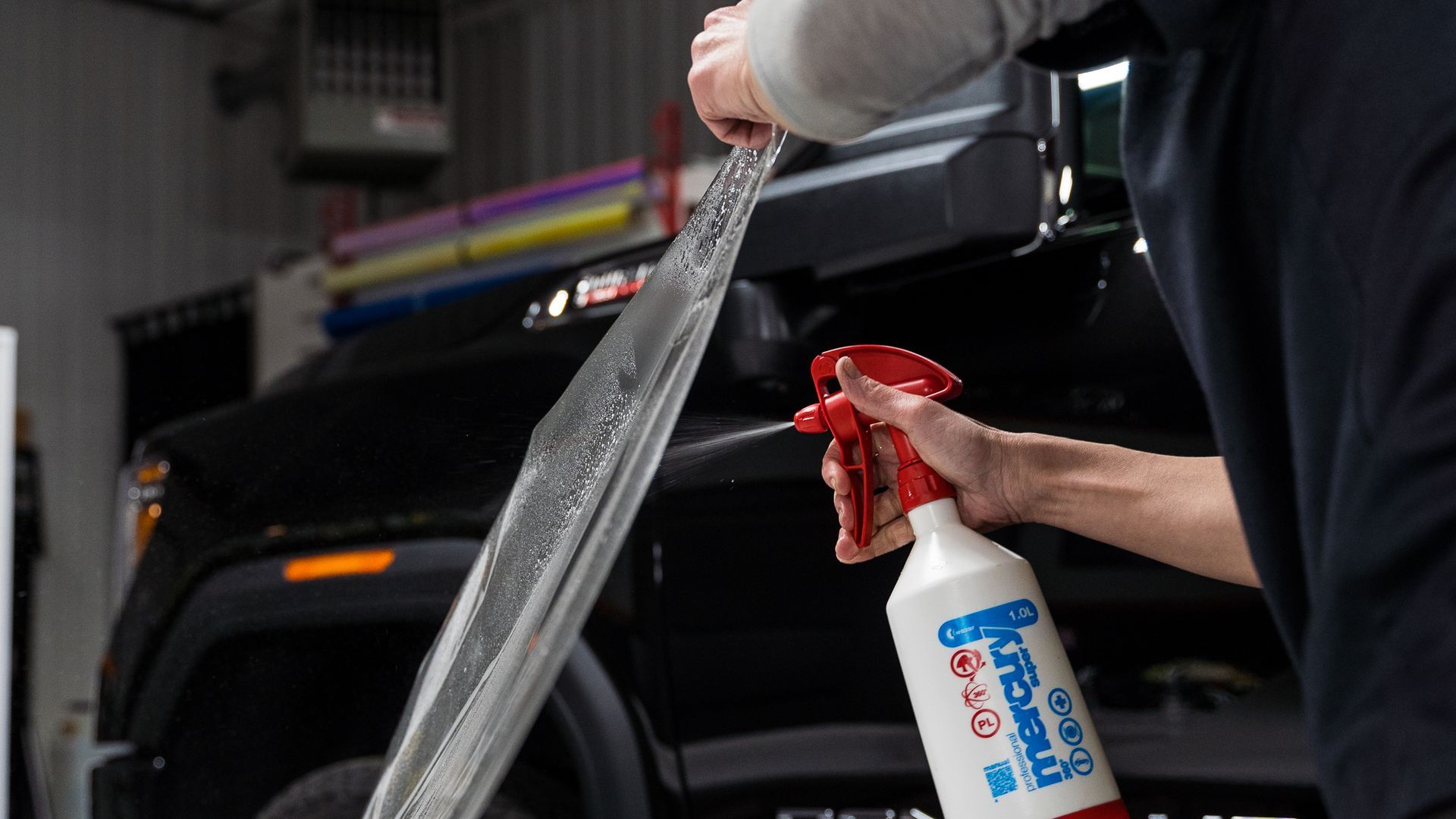
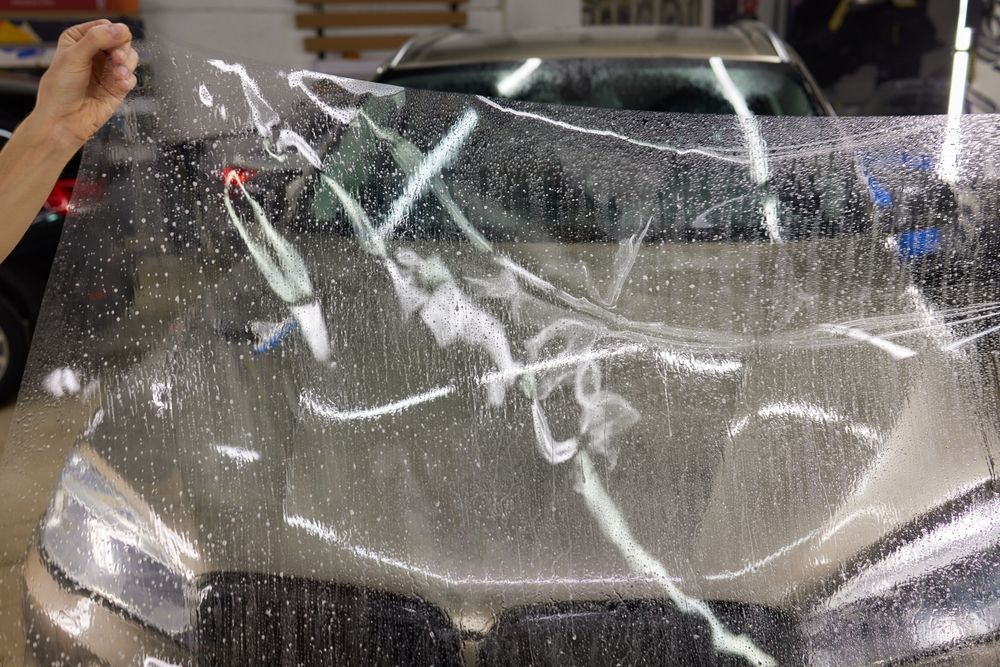
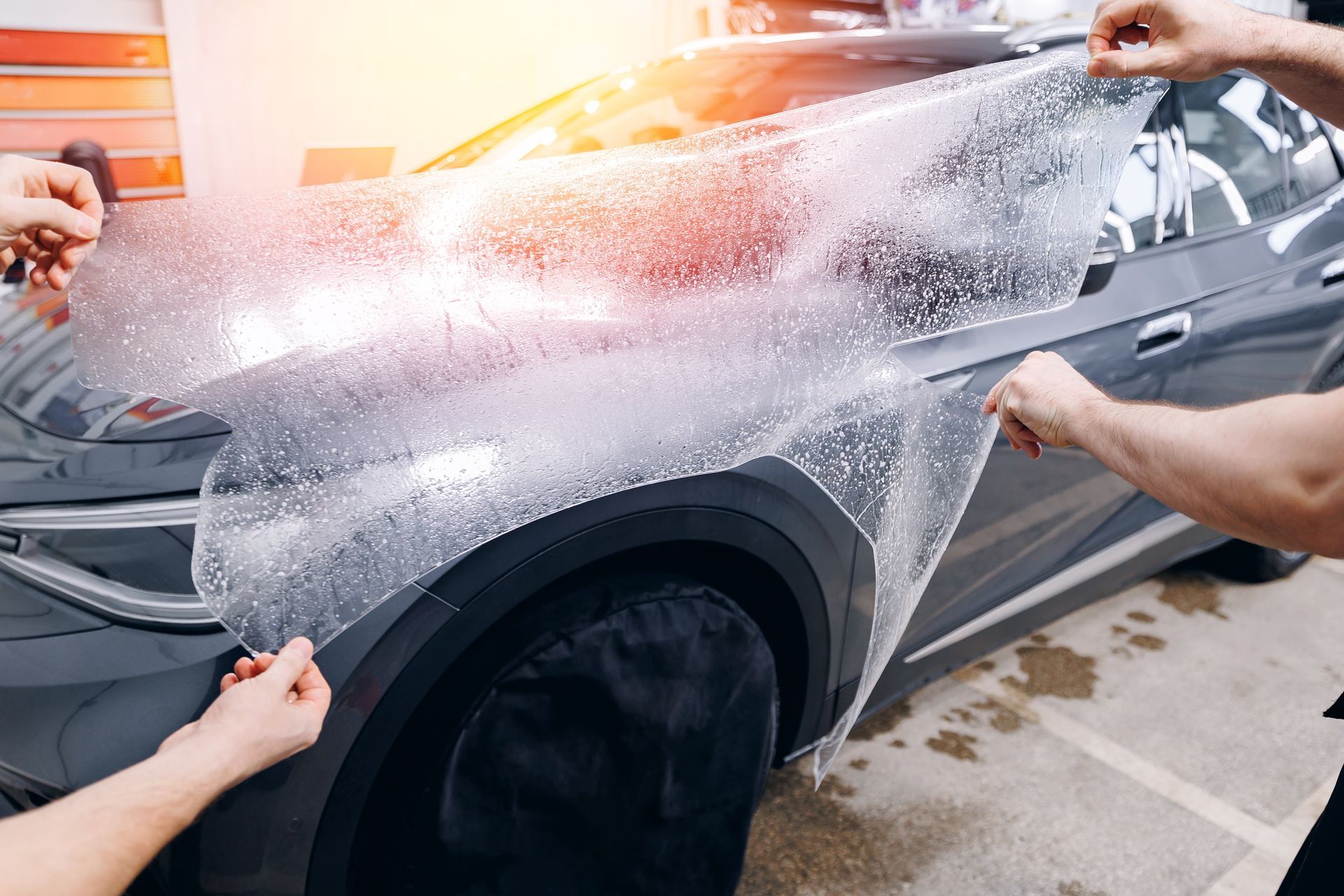
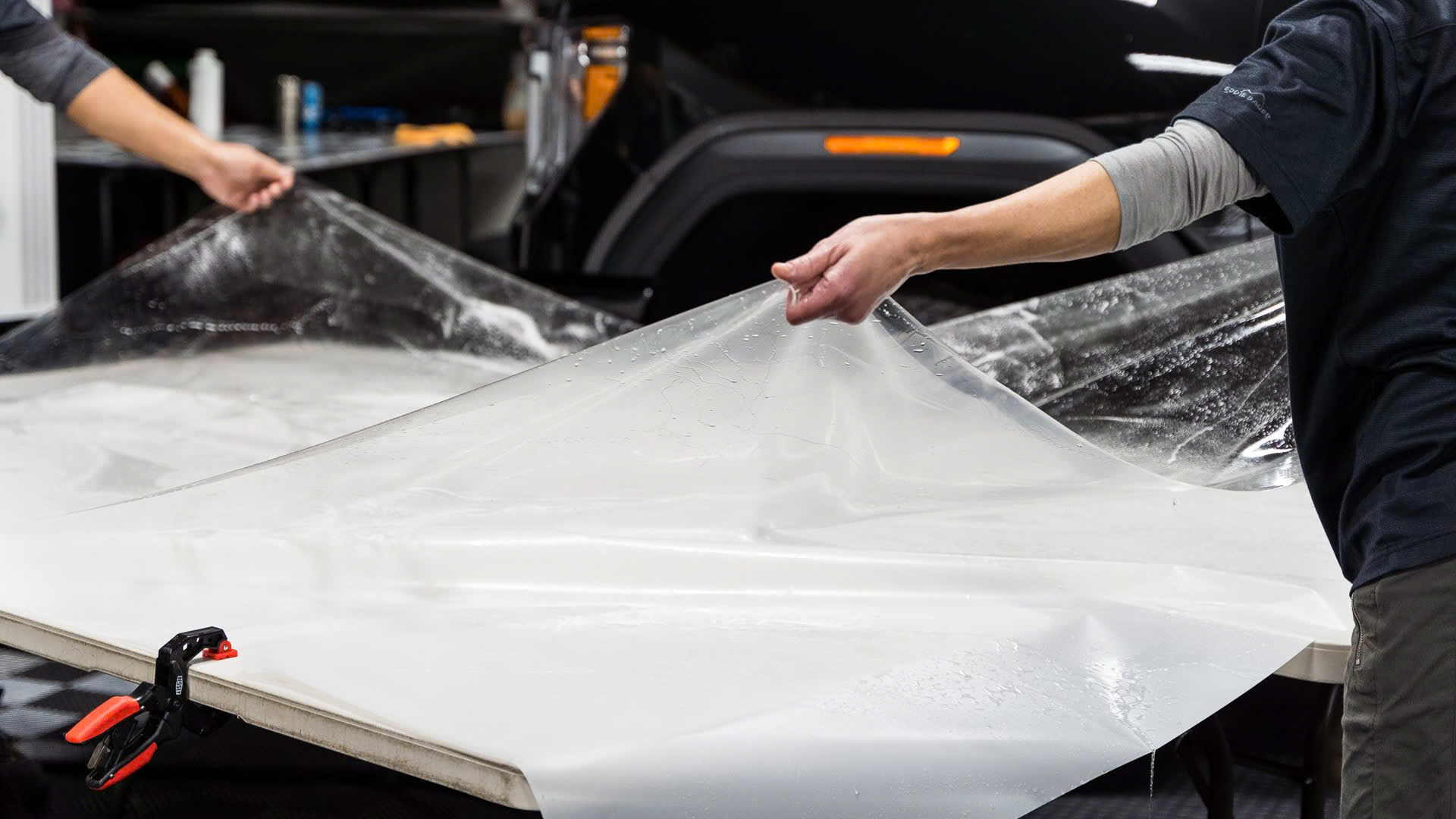
Paint protection film, often shortened to PPF, is a clear, flexible film applied over a vehicle's painted surfaces. It acts as a physical shield between the paint and the road. Small stones, sand, and debris strike the film instead of the paint underneath.
It's commonly applied to the areas that take the most abuse, such as:
- The front bumper and hood
- Front fenders and side mirrors
- Rocker panels behind the wheels
- Door edges and areas around the door handles
Because the film takes the hits, it slowly wears over time. That gradual wear is exactly why lifespan matters.
So, How Long Does PPF Last?
The short answer is that a quality film, installed well and cared for properly, is built to last for years rather than months. The longer answer depends on three main things.
The Film Itself
Not all films are made the same way. Each manufacturer sets its own expected lifespan and warranty terms, and those terms are the best starting point for realistic expectations.
Read the warranty carefully before you commit. Look at what it covers and what it leaves out. A warranty describes the manufacturer's coverage, not a promise of how your specific vehicle will look after years of use.
The Quality of the Installation
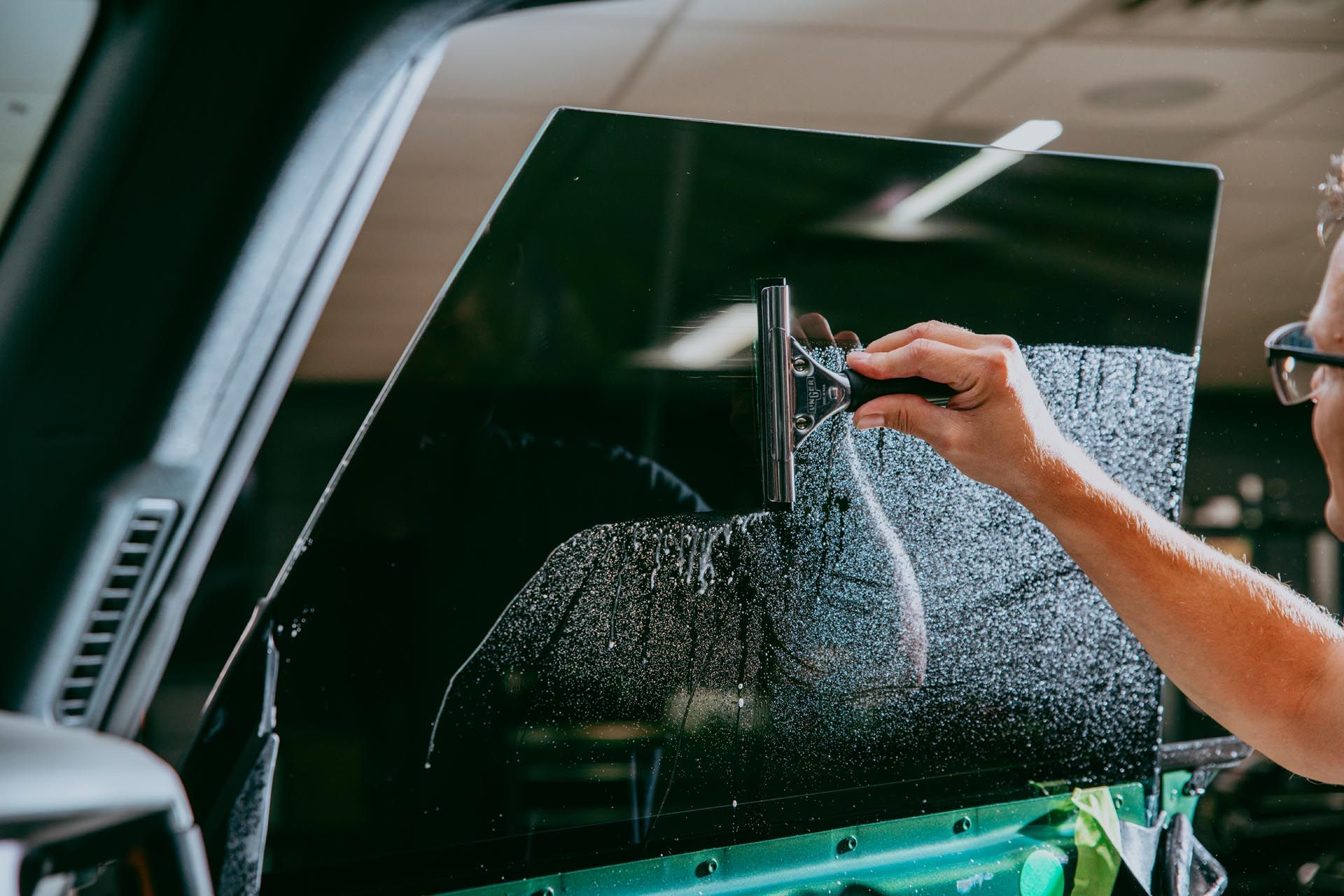
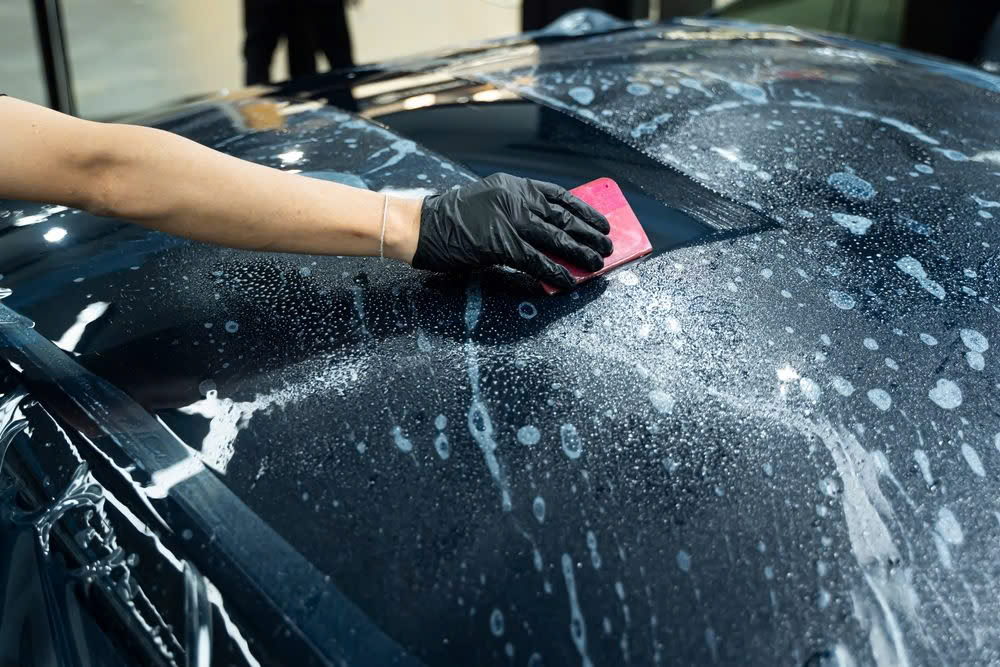
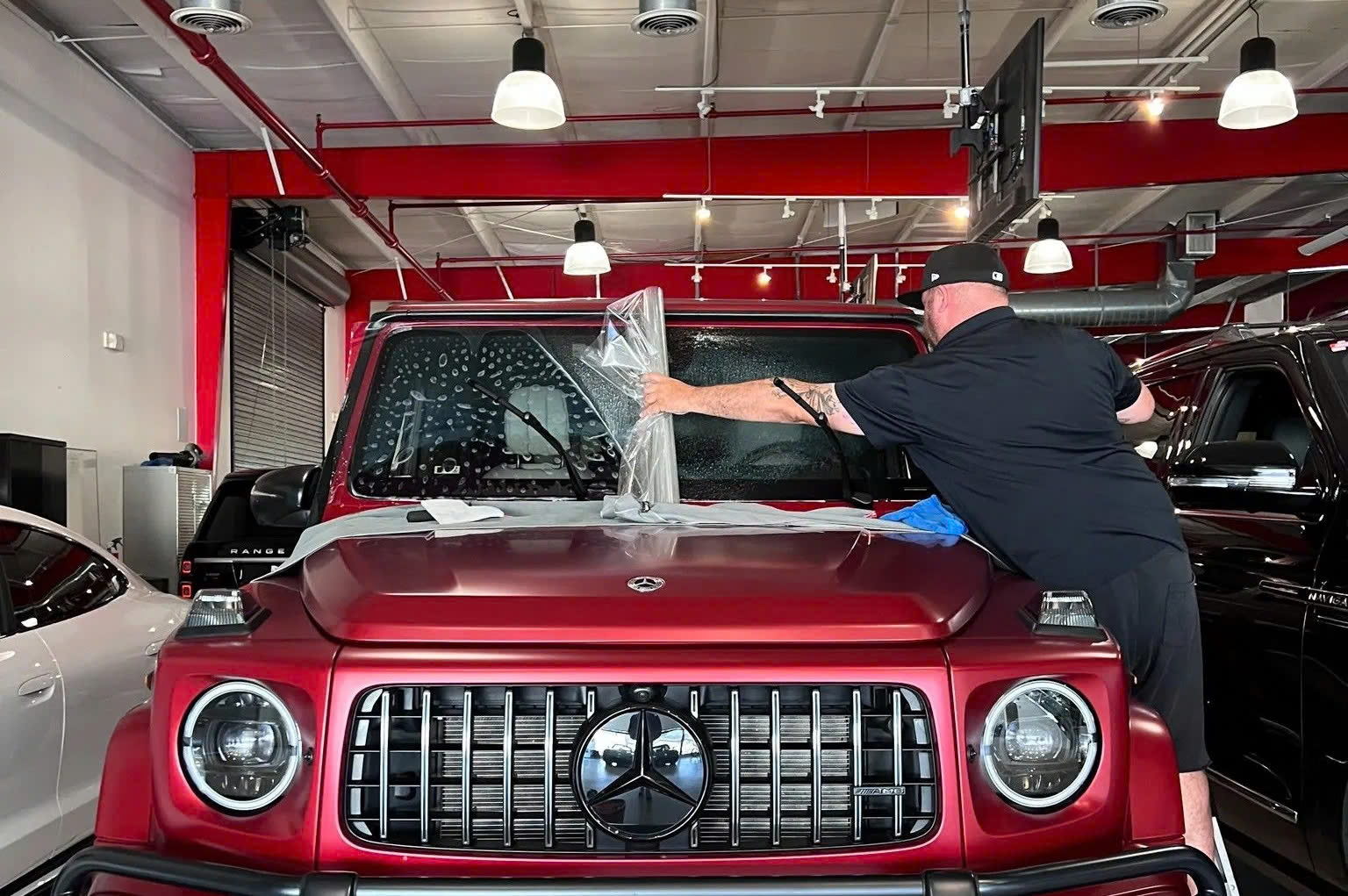
Even premium film can fail early if it goes on poorly. The surface must be thoroughly cleaned and prepared before the film touches it.
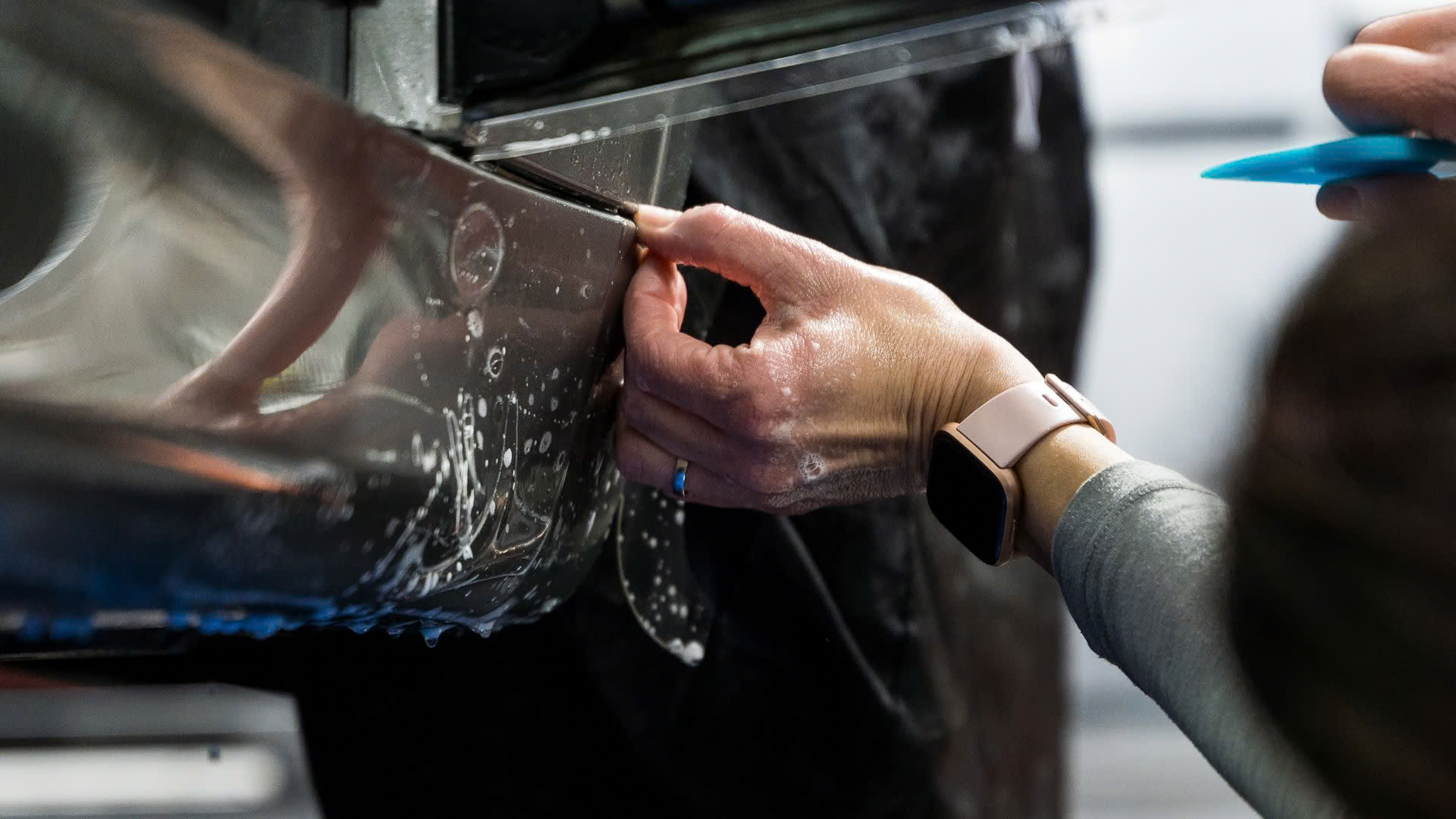
Edge work is just as important. When edges are finished with care, dirt and water have a harder time working their way underneath.
Your Driving and Care Habits
This is the part you control most. Daily habits often matter as much as the film itself.
Two matching vehicles wearing identical film can still age very differently. A car that lives in a garage and gets regular hand washes will usually keep its film looking good much longer than one parked outside all year and washed only now and then. So when people ask, "How long does PPF last?" the most accurate answer is that it depends on how the vehicle lives.
What Shortens the Lifespan of PPF
Several everyday factors wear film down faster than expected. Knowing them helps you avoid the most common causes of early failure.
Strong UV Exposure
Sunlight is one of the biggest factors in how film ages. Over time, constant UV exposure can cause film to lose clarity or take on a cloudy or yellowish tint.
Colorado adds an extra challenge. At high altitude, the sun is intense, and a vehicle parked outdoors every day takes the full brunt of it.
Harsh Chemicals and Winter Road Salt
Strong solvents, harsh degreasers, and aggressive cleaners can dull or weaken the film's surface. Over time, they can also weaken the edges.
Winter brings its own problems. Road salt and de-icer coat the lower parts of the vehicle for months. If that grime sits on the film for long stretches, it can stain the surface and speed up wear.
Neglected Washing
Contaminants that sit on the film don't just look bad. They can slowly bake into the surface.
Bird droppings, tree sap, bug residue, and road film are the usual offenders. The longer they stay, the harder they are to remove and the more likely they are to leave lasting marks.
Edge Lifting
Edges are the most vulnerable part of any film. Once an edge starts to lift, dirt and moisture can creep underneath.
Lifting can start when a pressure washer is held too close to an edge or when debris catches a corner. A small lifted spot can grow if it's ignored, so catching it early matters.
Heavy Road Debris and Mountain Driving
Film is designed to absorb impacts, but each impact still leaves its mark. Frequent highway miles and mountain driving bring a steady stream of gravel, sand, and construction debris.
Over time, those repeated hits can wear down the most exposed areas, and the front bumper and leading edge of the hood usually feel it first. That's normal. It simply means the film is doing its job, and those panels may wear sooner than the rest.
What Helps PPF Last Longer
The good news is that a few consistent habits make a real difference. Most of them fit easily into a normal routine.
Hand Washing the Right Way
Gentle hand washing is one of the best things you can do for film. It cleans the surface without stressing the edges.
- Use a shampoo made for automotive finishes.
- Wash with a soft mitt and a clean microfiber towel for drying.
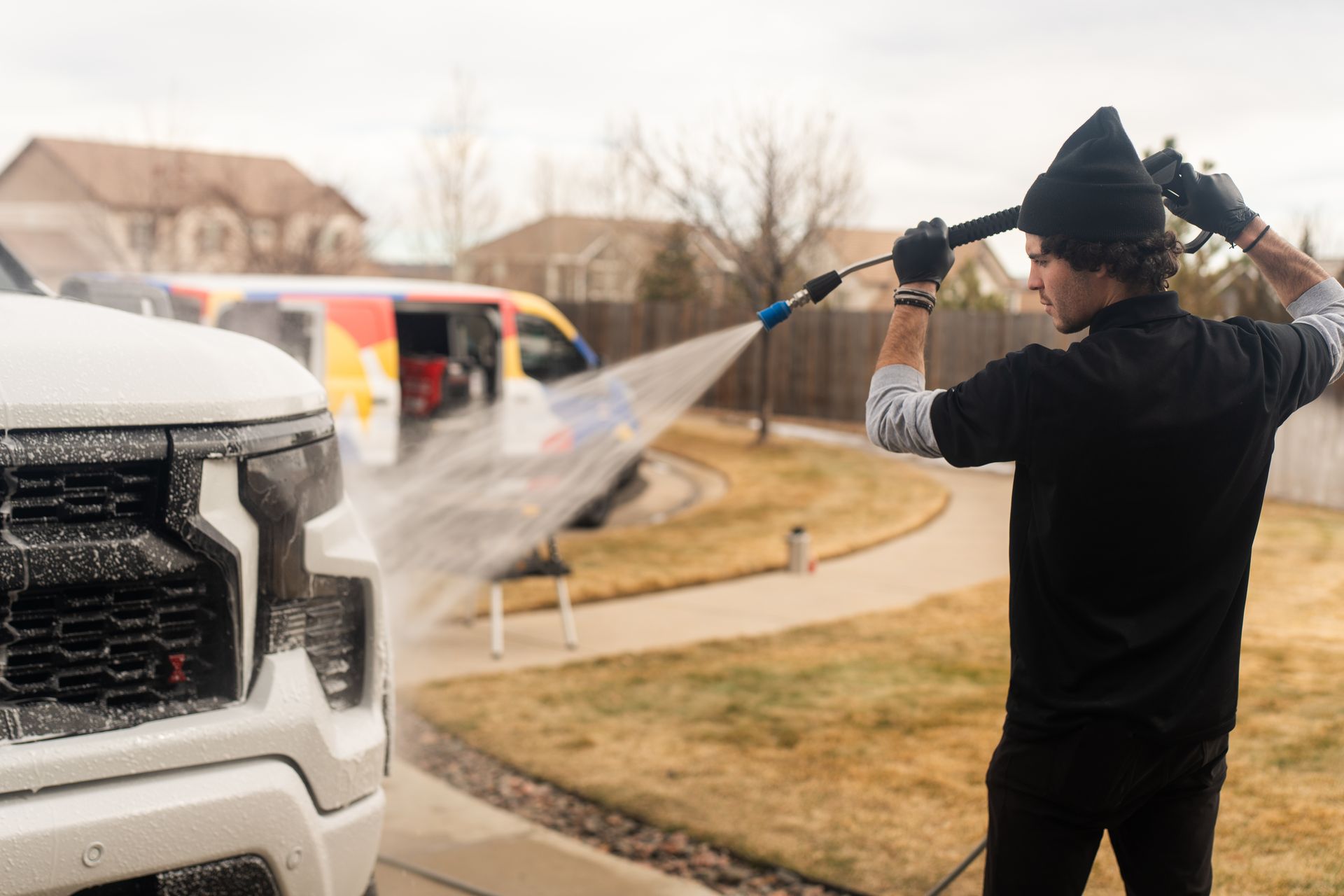
- Keep any pressure washer nozzle at a safe distance, and never aim it straight at an edge.
- Skip harsh brushes, abrasive pads, and strong solvents.
Garage or Covered Parking
Where the vehicle sleeps matters. A garage or covered spot cuts down on sun exposure and keeps the film away from sprinklers, sap, and overnight grime.
If covered parking isn't an option at home, look for it at work or when you park for long periods. Every hour out of direct sun helps.
Regular Inspections and Professional Care
It pays to look closely at the film every so often. Small problems, like a lifted corner or a stubborn stain, are easier to handle early.
Scheduled professional care helps too. Our maintenance detailing helps keep contaminants from building up on your vehicle's finish.
Starting With Well-Prepared Paint
Film protects the paint underneath it, including any flaws that are already there. That's why paint condition matters before any film goes on.
Our paint correction service deals with existing paint damage, such as swirl marks, before protection goes over it. That way, the film covers a clean finish rather than locking in old flaws.
Signs Your Film Is Nearing the End
Even well-kept film eventually wears out. Watching for these signs helps you plan ahead instead of being caught off guard.
- Yellowing or a cloudy, hazy look
- Edges that peel or lift and won't stay down
- Cracks, bubbles, or a brittle feel
- Stains that remain after a thorough cleaning
- Visible wear on the bumper or hood from repeated impacts
When film reaches this point, it's time to have it removed by a professional. Careless removal can harm the finish underneath or leave stubborn adhesive behind.
Weighing PPF as a Long-Term Investment
So, is the film worth it? The question of "how long does PPF last" really comes down to your vehicle and how you use it.
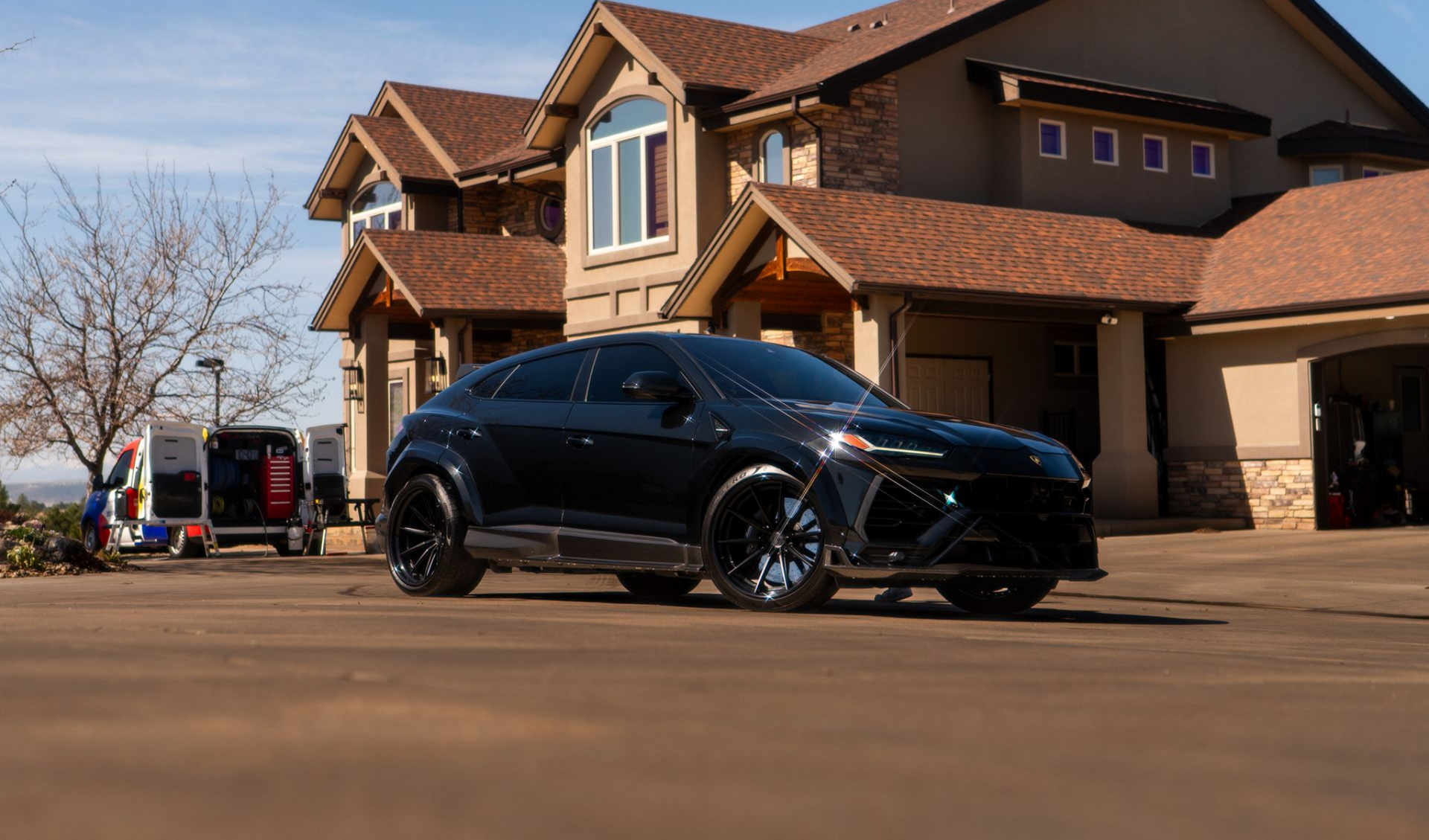
For a luxury vehicle that sees frequent highway or mountain miles, film can protect high-value paint from rock chip damage that's hard to repair. For a daily commuter, the value comes from keeping the front end looking clean despite constant road debris. In both cases, the return is tied to care. Film that's maintained well protects longer and looks better while it does.
It also helps to think about protection as a whole. Some owners pair film on high-impact areas with other types of paint protection elsewhere. Our ceramic coating services are an option for owners who want their paint protected today.
Protect Your Paint With Honest Guidance
The right protection plan starts with accurate expectations. No film or coating lasts indefinitely, and good advice should say so plainly.
Mountainside Mobile Detailing brings professional paint care to wherever your vehicle is parked, across the Denver Metro Area. Whether you're thinking about PPF down the road or want to protect your finish right now, we're happy to talk through your options. Reach out to schedule a visit and get straightforward advice for your vehicle.
Frequently Asked Questions
These quick answers cover the questions owners ask most often about film durability.
Does paint protection film turn yellow over time?
It can, depending on the film and the conditions it faces. Strong sun, harsh chemicals, and built-up grime are the usual causes of yellowing or a cloudy look.
A vehicle parked outside every day in strong sun will usually age its film faster than one kept in a garage. Gentle washing and covered parking both help keep the film clear for longer. If yellowing doesn't improve after a thorough cleaning, have a professional take a look. They can tell you whether the film still has life left or is ready to come off.
Does a longer warranty mean the film will last that long?
Not necessarily. A warranty describes what the manufacturer will cover if certain defects appear in the film itself. It doesn't account for your parking, washing, or driving habits.
Read the terms closely so you know what's included and what isn't. Damage from impacts, harsh cleaners, or improper washing may be handled differently than a material defect. Think of the warranty as a sign of the film's quality. Your own care habits are what decide how well it actually holds up on your vehicle from one season to the next.
Can paint protection film be removed when it wears out?
Yes. Worn film can usually be removed so new protection can go on, as long as the job is done slowly and carefully. Patience is what keeps the paint underneath safe.
Rushing the removal can leave adhesive behind. In some cases, it can even harm paint that was already weak. That's why removal is best left to a professional. Once the old film is off, the paint can be cleaned, inspected, and prepared before anything new is applied, so the next layer of protection starts on a healthy finish.
Does Colorado weather shorten the life of PPF?
It can play a part. High-altitude sun, dry air, and winter road salt all put extra stress on film compared with milder conditions.
Mountain driving adds gravel and construction debris to the mix, which wears the front end faster. None of this means film is a poor choice here. It simply means care matters more.
Covered parking, regular hand washing, and quick cleanup of salt and grime all help film hold up through Colorado's changing seasons. Owners who stay on top of those habits tend to get the most out of their protection.
Is paint protection film worth it for a daily driver?
For many daily drivers, yes. Commuters face constant road debris, and film helps keep the hood, bumper, and mirrors free of rock chip damage that slowly builds up over time.
The value depends on how long you plan to keep the vehicle, how much highway driving you do, and how much its appearance matters to you. If you keep cars for years and log a lot of miles, film can make strong sense. If you'd like protection right away, a ceramic coating is another path worth discussing. Either way, realistic expectations lead to a better decision.