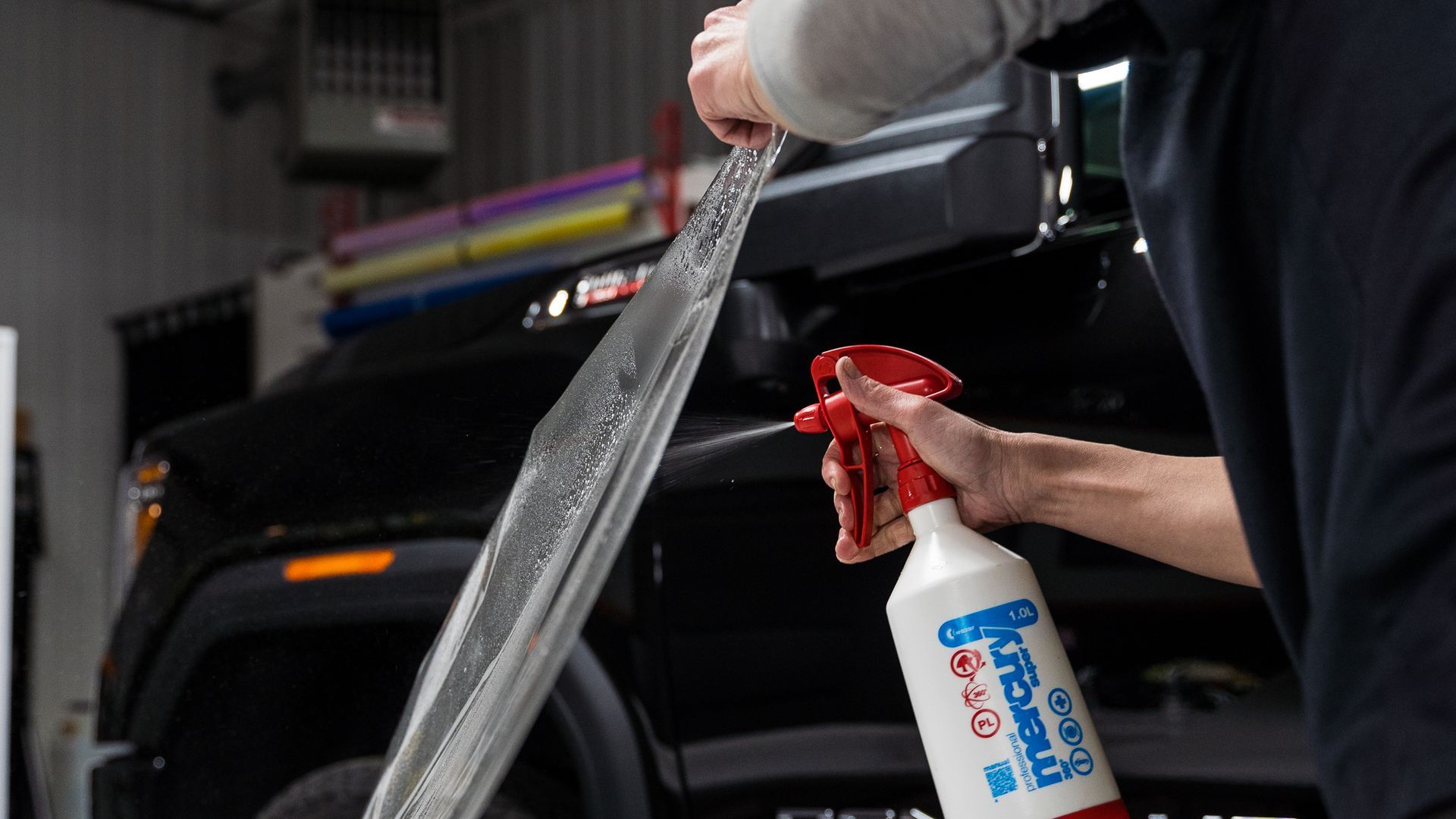

How to Safely Remove Hard Water Spots From Your Vehicle
You wash your car on a Saturday morning, and by afternoon the hood is dotted with faint white rings. Or the sprinklers outside your office catch your doors before lunch. You wash the car again, and the spots are still there.
Hard water spots are one of the most stubborn cosmetic problems drivers run into. They show up on paint and glass, and soap alone rarely takes them off. Some spots lift away with a little care. Others have already worked their way into the clear coat, which is the transparent top layer that protects your paint color.
The first step is knowing which kind you're dealing with before you start. This guide explains what causes water spots, how fresh mineral deposits differ from etching, and the safest way to remove water spots from car paint at each stage. You'll also learn when it's time to stop and hand the job to a professional.
Our team at Mountainside Mobile Detailing looks after vehicles of every kind, from busy family haulers to high-end luxury cars. Water spots frustrate owners of both, so let's walk through how to handle them the right way.
What Causes Hard Water Spots on a Vehicle?
The water itself isn't the problem. What's dissolved in it is.
Tap water, sprinkler water, and even rain can carry dissolved minerals, along with dust and other fine particles. When a droplet dries on your car, the water evaporates, and the minerals stay behind. What's left is a chalky ring or a cloudy patch on the surface.
Most water spots trace back to a few everyday sources:
- Lawn sprinklers that reach parked vehicles
- Rinse water left to air-dry after a wash
- Washing in direct sun, where droplets dry before you can wipe them
- Rain that mixes with dust or road grime
- Drips from roofs, trees, or parking garage ceilings
Why Colorado Conditions Speed Things Up
Local conditions make the problem show up faster. Sun and dry air work together against your finish.
Strong high-altitude sun warms the paint, and dry air pulls moisture away quickly. Droplets tend to dry before you get a chance to wipe them. That leaves very little time to dry the car before minerals settle in.

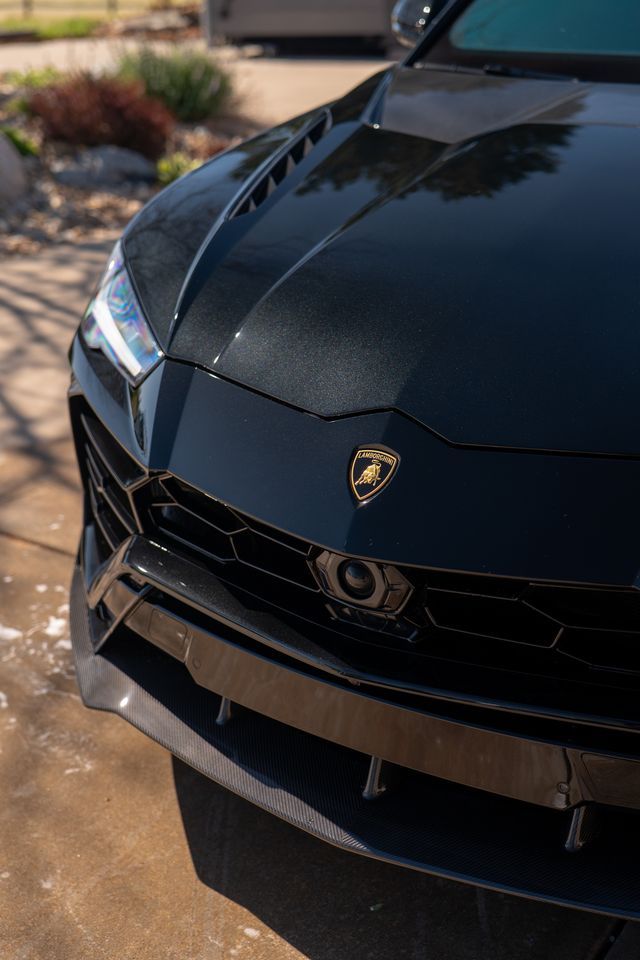
Fresh Mineral Deposits vs. Etching: Know the Difference
Not every water spot is the same. The right fix depends on how long the spot has been there and how deep it goes.
Fresh Mineral Deposits
These spots sit on top of the surface. They're the easiest kind to deal with.
Fresh deposits look like white or gray rings, and you may feel a slight roughness when you run a clean hand over them. Because they haven't bonded with the paint, they usually respond to gentle home methods.
Stubborn Bonded Deposits
Left alone, mineral rings tend to harden and cling more tightly. Heat and time help them grip the finish.
Bonded deposits still sit mostly on the surface, but a regular wash won't move them. They often need a product made to loosen mineral buildup. With patience, many of them still come off at home.
Etched Water Spots
Etching is the stage most owners want to avoid. At this point, the spot is no longer on the paint. It's a shallow mark in it.
Over time, minerals combined with heat and sunlight can eat into the clear coat. Etched spots look like faint outlines or tiny craters that stay visible after cleaning, and they're easiest to see in bright sun. Home cleaners can't fix them because there's nothing left on the surface to dissolve.
A Simple Way to Tell Them Apart
A quick check can save you time and effort. Follow these steps on one small area first:
- Wash and dry the area gently.
- Look at it in direct sunlight or under a bright flashlight.
- Try a gentle spot removal method on a small section.
- Check the area again once it's clean and dry.
If the ring is gone, you were dealing with a deposit. If a faint outline is still there, you're most likely looking at etching.
Safe Ways to Remove Water Spots From Car Paint at Home
For fresh and lightly bonded deposits, a careful approach at home often works. Gentle is the rule here.
Start With a Proper Wash
Before you reach for any spot remover, clean the surface first. Loose dirt rubbed into the paint can cause swirl marks.
Use a gentle shampoo made for automotive paint, not dish soap or an all-purpose cleaner. Work with a clean wash mitt, in the shade, on panels that feel cool to the touch. Dry each section right away with a clean, soft microfiber towel. Sometimes this step alone lifts the freshest spots.
Use a Mild Spot Remover
If spots remain after washing, move to a product made specifically for water spots. These products are designed to loosen mineral buildup without aggressive rubbing.
Whichever product you choose, use it with care:
- Test it on a small, hidden area first.
- Apply it only to a cool surface, out of direct sun.
- Let it sit briefly, following the product's directions.
- Wipe gently with a clean microfiber towel, without pressing hard.
- Rinse the area well and dry it completely.
Never let the product dry on the paint. If your vehicle has a ceramic coating, check with the people who applied it before you use any spot remover.
What to Avoid
Some quick fixes cause more harm than the spots themselves. Steer clear of these habits:
- Hard scrubbing or abrasive pads
- Harsh household cleaners
- Strong polishing compounds applied by hand
- Working on hot panels or in full sun
- Going over the same spot again and again with more pressure
These shortcuts can leave swirl marks or surface marring, and that damage is often harder to correct than the original spot.
When Water Spots Need Professional Polishing
If spots are still visible after a careful wash and a gentle spot remover, they're probably etched. Knowing when to stop is part of learning to remove water spots from car finishes safely.
Because etching sits within the clear coat, correcting it usually involves careful machine polishing to even out the surface around the mark. The work calls for steady control and the right tools. Too much pressure or the wrong pad can thin the clear coat or create new paint imperfections, which is why this step belongs in trained hands.
Our paint correction services address existing paint damage, and etching falls into that category. Results depend on how deep the etching goes, so very deep spots may be reduced rather than fully erased. It may be time to call a professional if you notice:
- Rings that are still visible after careful cleaning
- Spots that look like small craters or outlines in sunlight
- Damage spread across large areas such as the hood, roof, or doors
- Flaws that stand out on dark paint or a high-end finish
How to Keep Water Spots From Coming Back
Prevention takes far less effort than correction. A few simple habits make a big difference.
- Dry your vehicle soon after rinsing, or after rain when you can.
- Wash in the shade, or early or late in the day.
- Park away from sprinklers, or adjust the timing of your own.
- Keep a clean microfiber towel in the car for quick touch-ups.
- Stay on a steady schedule of professional exterior care.
Routine
exterior detailing helps keep fresh deposits from sitting on the paint for long. For coated vehicles,
maintenance detailing helps keep that investment in good condition over the long run.
Let Us Handle the Spots That Won't Come Out
Some water spots wash away with a bit of patience. Others need professional tools, training, and a careful eye.
If cloudy rings are still showing on your paint, our team can take a closer look and explain your options. As a mobile service, we do the work right where your car is parked, whether that's your driveway or your workplace in the Denver Metro Area. Get in touch with our team to schedule a visit.
Frequently Asked Questions
Below, you'll find quick answers to the water spot questions owners raise most often.
Why won't water spots come off when I wash my car?
Car shampoo is designed to lift dirt and grime, not to break down minerals. After a droplet dries, the minerals it carried stay on the finish and can grip it firmly. Heat from the sun only tightens that hold.
Fresh rings often loosen with a dedicated water spot remover used gently on a cool panel. Older rings are a different story. If they've been sitting for weeks or months, they may have started to sink into the clear coat, and washing won't reach them. Polishing is usually the answer at that stage.
What should I use on fresh water spots?
Start with a gentle wash, since that alone can lift the newest spots. If rings remain, reach for a spot remover designed for mineral buildup rather than a household cleaner.
Read the label before you begin, and test the product on a small, hidden area. Work on one cool panel at a time, out of direct sun, and wipe with a soft microfiber towel using light pressure.
Rinse and dry the area as soon as you finish. If the spot doesn't change after a careful attempt, stop there. Pressing harder can create swirl marks, and the spot may already be etched.
Can water spots cause lasting paint damage?
Yes, if they're left alone long enough. At first, minerals simply rest on the paint. With enough heat, sunlight, and time, they can wear into the clear coat and leave a lasting mark.
That process is called etching, and it changes the job completely. Soap and spot removers can't reach a mark that sits inside the finish. Machine polishing is usually needed to even out the surface, and deep etching may only fade rather than disappear. Acting early is the simplest way to avoid that outcome, so it pays to deal with new spots soon after you notice them.
Does a ceramic coating stop water spots?
A coating won't make a vehicle spot-proof. It adds a protective layer over the clear coat, but minerals that dry on top of that layer can still leave rings behind.
The real value is the extra barrier between those minerals and the paint underneath. That barrier still needs care to do its job well.
Drying the car after rain or a rinse helps, and so does a regular maintenance schedule. A coating works best as part of good habits, not as a replacement for them. If spots do appear on a coated finish, gentle care is still the right first step.
How do I know if I need professional polishing?
Begin with the gentle steps. Wash the area, dry it, and try a mild spot remover on one small section. If the rings vanish, home care is enough for now.
If you can still see faint outlines once the panel is clean and dry, the spots have likely etched. Other warning signs include tiny pits in the finish, widespread damage across the hood or roof, and marks that are easy to see on darker colors. At that point, professional polishing is the safest choice. A trained professional works with care and control to preserve as much clear coat as possible.