
Car Window Tint Percentages Explained: How to Choose the Right Shade
You walk past an SUV in a parking lot, and the windows look like polished black glass. Later, you spot what seems like the same shade on a white sedan at dusk, and it looks completely different. That's the tricky part about tint. A number on a sample card tells you very little about how the glass will look on your own car.
Many first-time buyers hear terms like "20 percent" or "35 percent" and simply nod along. But what do those numbers actually mean? And how dark is too dark for Colorado roads after sunset?
This window tint percentage guide answers those questions in plain terms. You'll learn what VLT stands for, why one shade can look lighter or darker from car to car, and what to consider for night driving. We'll also look at how Colorado's tint rules shape your options.
At Mountainside Mobile Detailing, we work on luxury vehicles, family SUVs, and daily commuters across the Denver Metro Area. Small choices change the way a car looks and feels, and tint shade is no exception. So let's make this decision easier.
What Does VLT Mean on Window Tint?
VLT is the number printed on tint samples. Once it makes sense, the rest of the shade conversation gets much simpler.
VLT stands for visible light transmission. It tells you how much visible light passes through the glass. A higher number lets more light in, and a lower number lets less in.
So a 70 percent film allows roughly 70 percent of visible light through, which makes it very light. A 5 percent film allows only about 5 percent through, so it looks very dark. Many people expect it to work the other way around. The rule is simple: the bigger the number, the lighter the shade.
Common Shade Percentages at a Glance
Tint film comes in a range of common shades. Here's how each one generally looks from outside the vehicle:
- 5 percent: Very dark, often called limo tint. It's hard to see inside the car, even in bright daylight.
- 20 percent: Dark and private. People and objects inside are tough to make out from a few feet away.
- 35 percent: A balanced middle ground. The shade is noticeable and clean, but you can still see into the car up close.
- 50 percent: A lighter look that cuts glare without changing the car's style much.
- 70 percent and higher: Barely noticeable. Drivers usually choose these for comfort rather than looks.
Why the Number on the Film Isn't the Whole Story
Here's a detail many first-time buyers miss. The film and the glass work together, so the film's number is only part of the picture.
Car glass isn't always perfectly clear on its own. Some SUVs, minivans, and trucks have darker factory glass on the rear windows, often called privacy glass. When film goes on top of tinted glass, the two shades stack.
Here's a simple example. If a 50 percent film goes on glass that lets 70 percent of light through, the finished window ends up near 35 percent. That's why a shade can look darker on your car than it did on a sample board. In the end, the finished window matters more than the number on the film box.
Why the Same Percentage Looks Different on Different Vehicles
Two cars with the same film can look surprisingly different. A few details about your vehicle shape the final appearance.
Paint Color
Paint color sets the backdrop for your tint. Dark and light finishes change the effect in different ways.
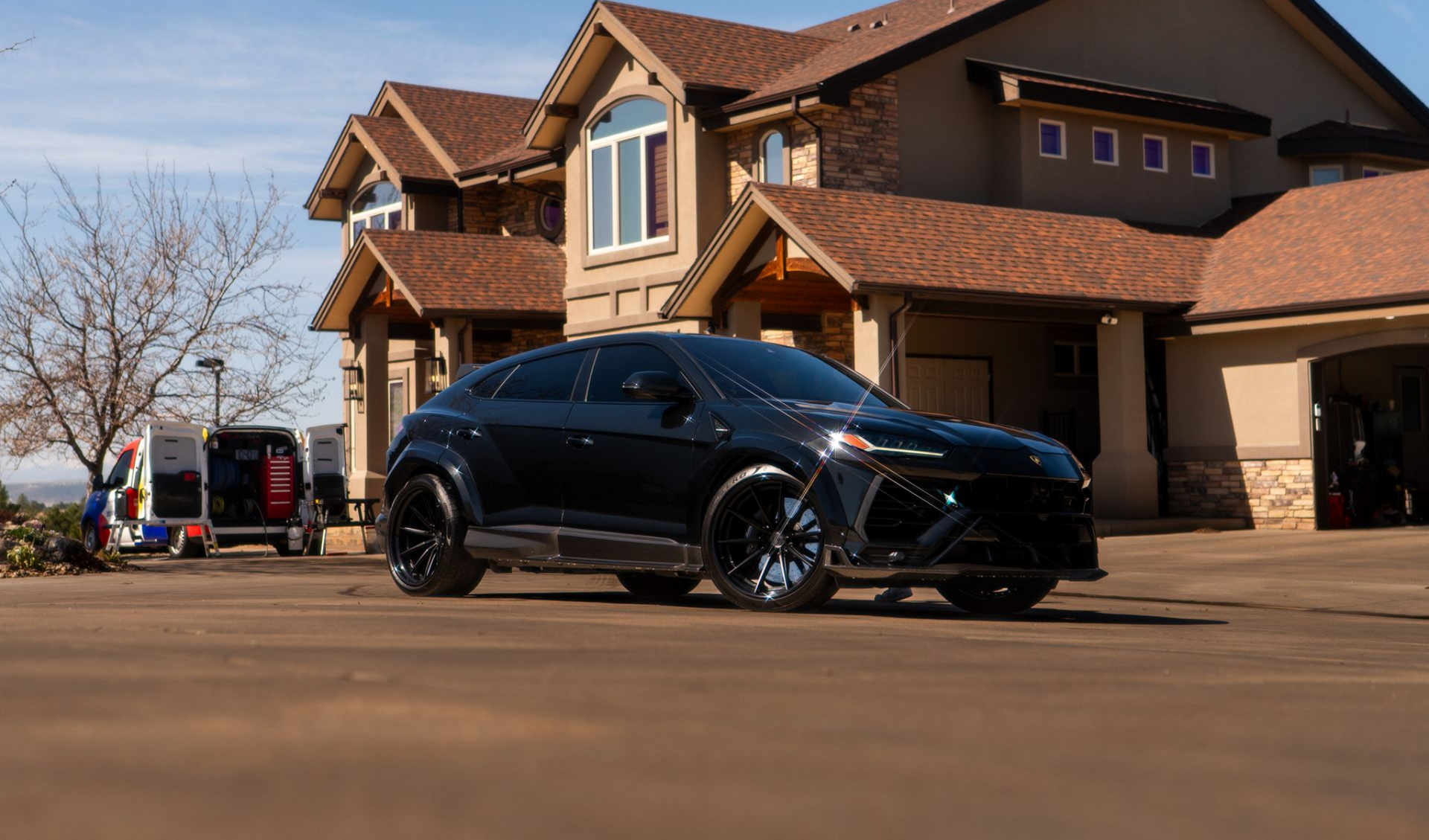
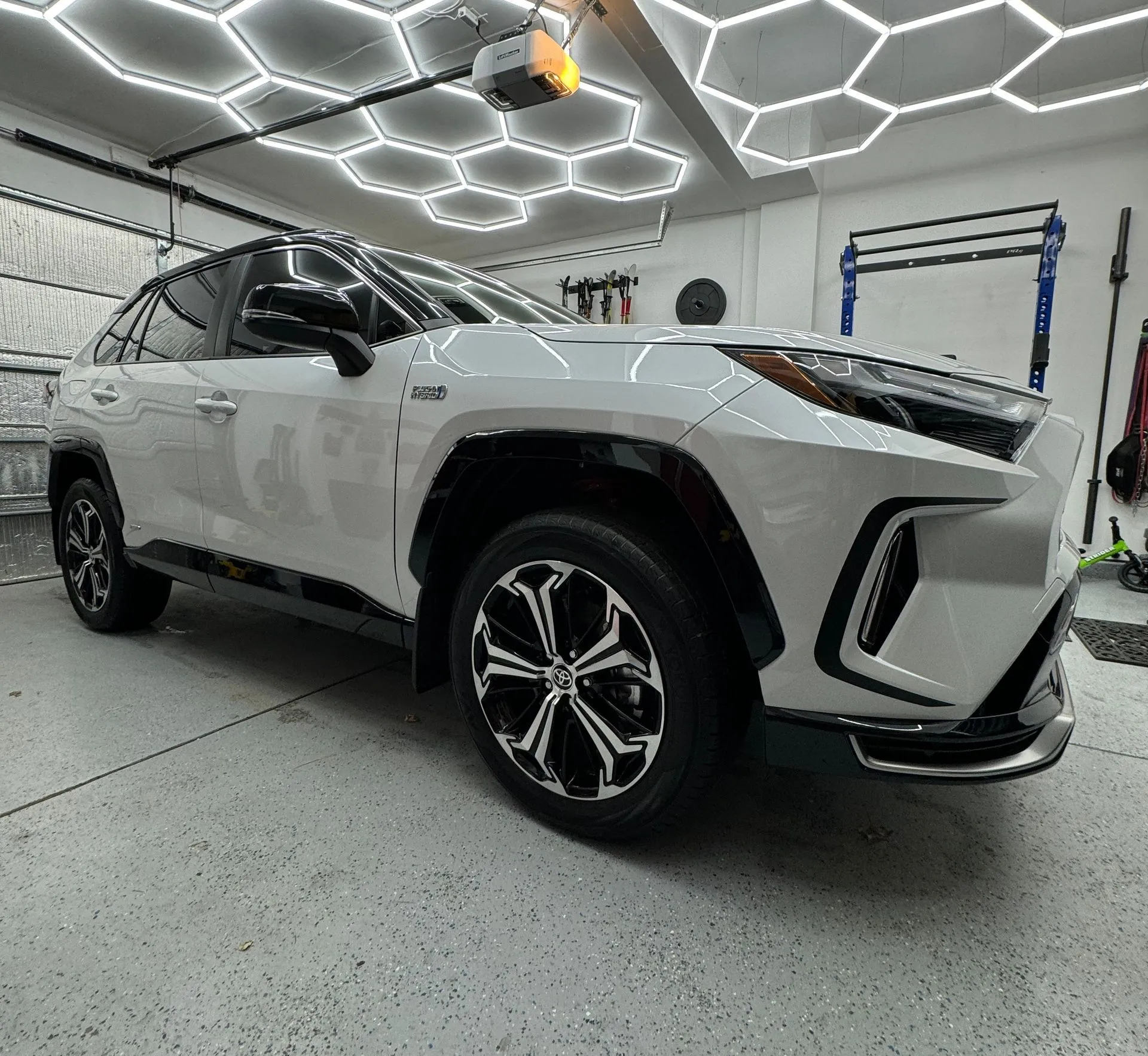
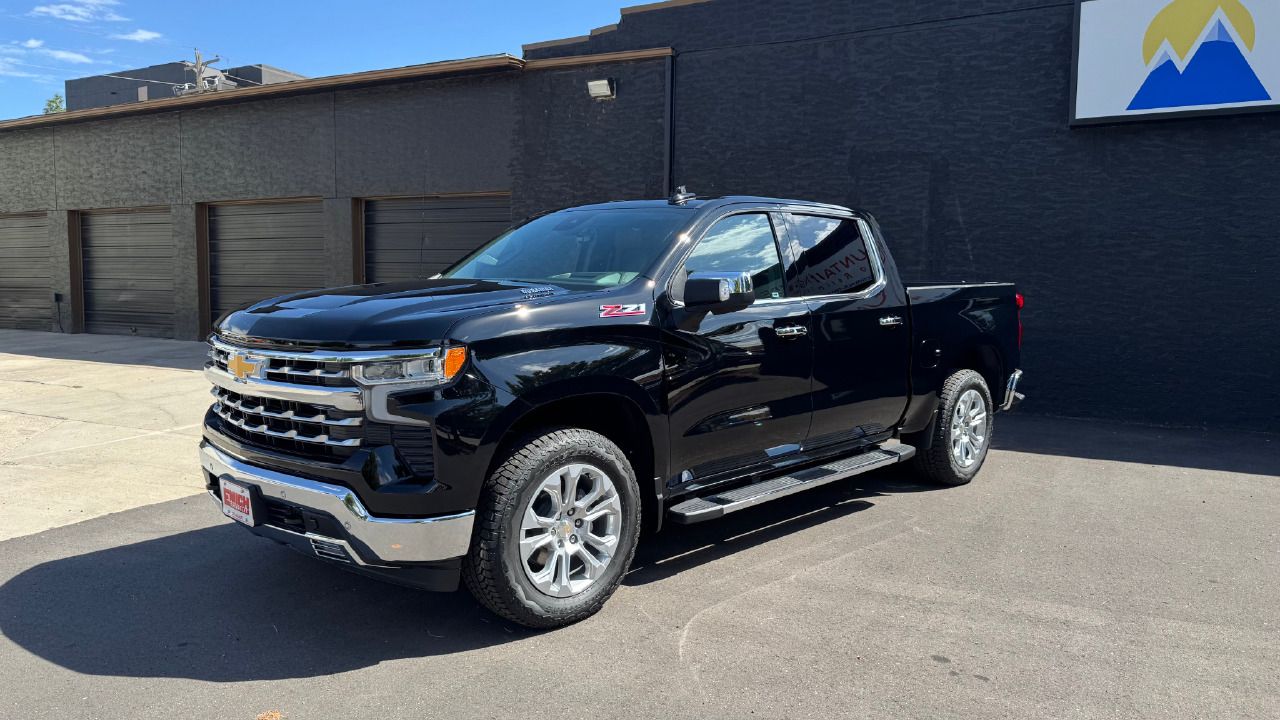
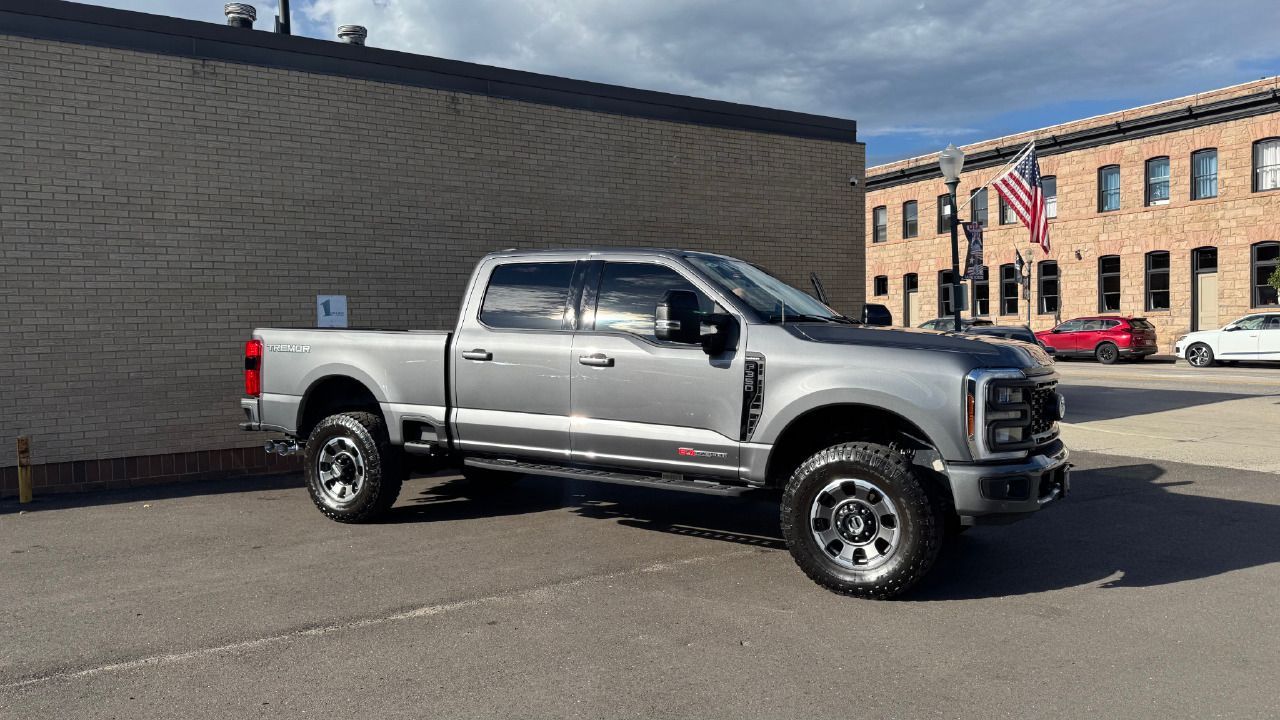
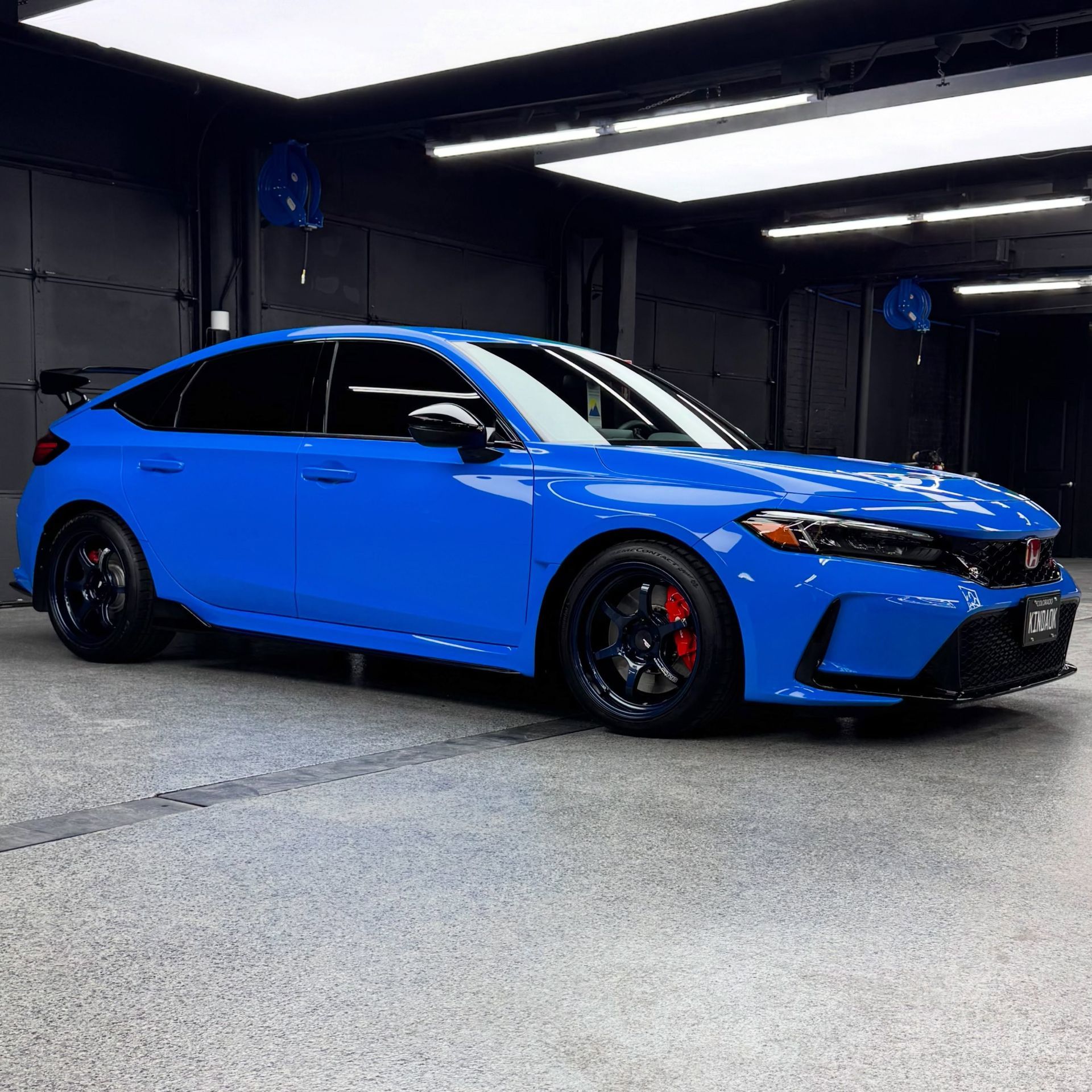
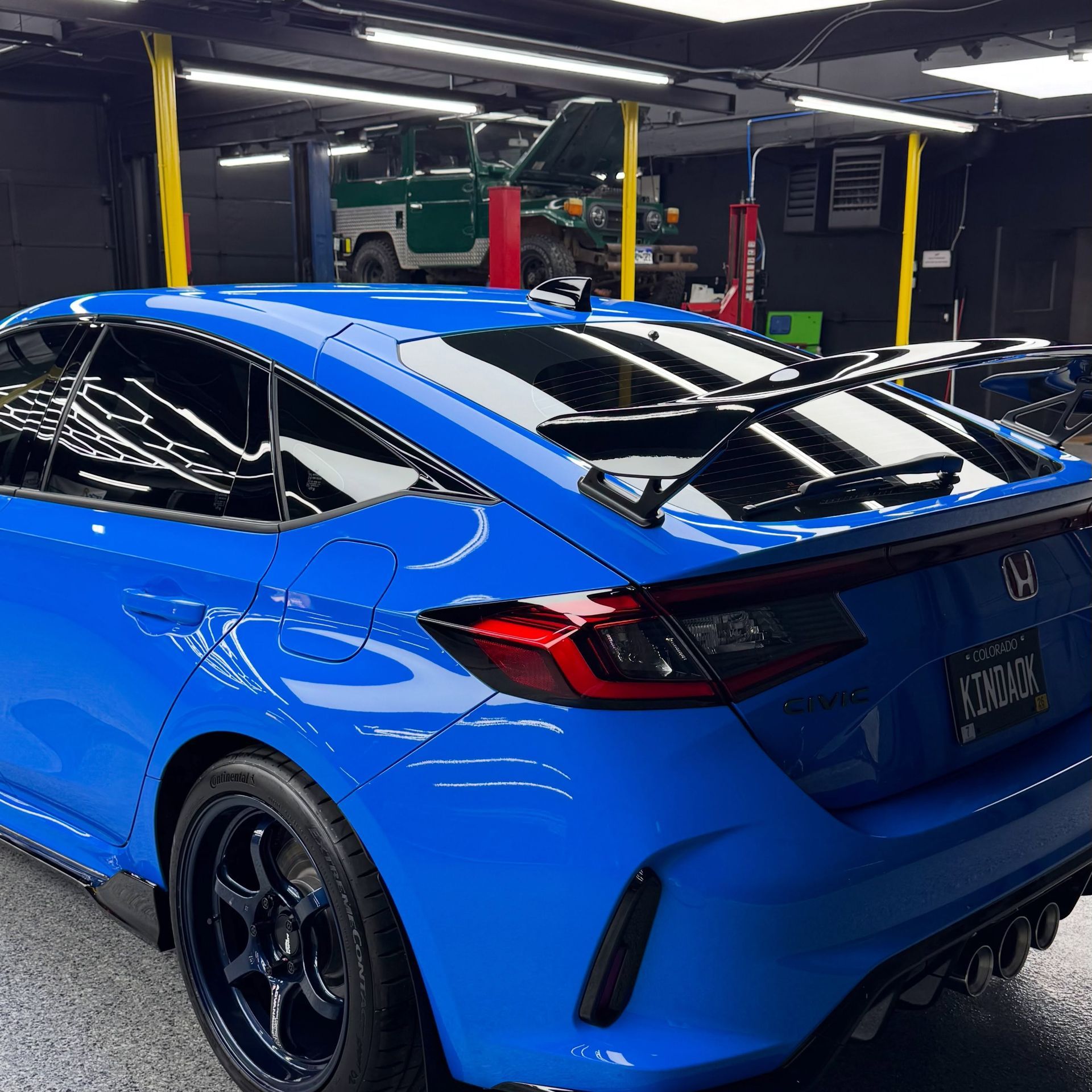
On black, charcoal, or deep blue paint, tint tends to blend in. The glass and body flow together, so a 35 percent shade can look darker and more even. White, silver, and pearl finishes create more contrast. On those colors, the same shade stands out and reads as a bolder style choice.
Interior Color
This one surprises a lot of owners. What's inside the car affects how the windows look from outside.
A light tan or cream interior reflects light back through the glass, so tint can look lighter. A black interior absorbs light, so the same film appears darker. Two matching sedans with different interiors can end up looking quite different.
Body Style and Glass Size
The shape of your vehicle plays a part too. Bigger windows put more tint on display.
Large SUV and minivan windows show a lot of shaded area, so the effect feels stronger. On a coupe or sports car, smaller windows often give the same film a sleeker look. The angle of the glass also changes how light reflects off it as the day goes on.
Matching Front and Rear Glass
If your rear windows have darker factory glass, your front shade choice matters even more. A clear mismatch can make the car look unfinished.
Many owners want the front side windows to blend with the rear glass. That's a fair goal, but every window still has to meet Colorado's rules. In some cases, a close visual match is the right answer, not an exact one.
Day vs. Night: The Visibility Tradeoff
Tint looks great at noon. The real test comes on a dark mountain road at night, with rain on the glass and headlights coming toward you.
During the day, darker shades cut glare and add privacy. After dark, that same darkness limits what you can see. It matters when you reverse out of an unlit driveway, glance at your side mirrors, or watch for someone walking in dark clothing. Snow, rain, and winding mountain routes make a clear view even more important.
Before you settle on a shade, ask yourself a few honest questions:
- How often do you drive after sunset?
- Do you travel unlit roads, canyon routes, or rural stretches?
- How comfortable are you driving in low light?
- Will a teen driver, spouse, or someone else share the vehicle?
For many drivers, the answer is a lighter shade up front and a darker one in the back. Passengers and cargo still get privacy, and the driver keeps a clearer view where it counts.
How Colorado Tint Laws Shape Your Shade Choice
Style matters, but the law comes first. Colorado has rules on how dark window tint can be, and those rules narrow your options before looks come into play.
Before you pick a shade, check what Colorado currently allows for each window on your vehicle. Because film stacks with the glass underneath, a shade that seems fine on paper can end up darker once it's installed. That's why it pays to confirm the current requirements with your installer before you choose.
Rules can change over time, too. A shade a friend picked years ago may not be a reliable guide today. Going darker than the law allows is never worth it, and a legal shade you're happy with is always the smarter pick.
Using This Window Tint Percentage Guide to Pick Your Shade
Now it's time to put it all together. The right shade depends on your vehicle, your routine, and the look you want.
For Luxury and Exotic Vehicle Owners
Owners of high-end vehicles often want a clean, factory-matched appearance. Subtle usually wins here.
A medium shade that blends with the paint and rear glass keeps the car looking refined. Many of these owners also want their paint protected to match the investment, which is where our ceramic coating services come in.
For Families and Parents
Family vehicles see heavy daily use. Kids, car seats, groceries, and sports gear all ride along.
Darker rear glass gives passengers more privacy and cuts glare on long drives. Lighter front glass keeps the driver's view clear on dark winter evenings. Because the cabin works so hard, regular interior detailing helps keep seats, carpets, and surfaces in good shape.
For Daily Commuters
Commuters face glare almost every day. Low morning and evening sun along the Front Range can be hard on the eyes.
A light to medium shade on the front windows can ease glare without giving up much night visibility. If you leave before sunrise or come home after dark, lean toward the lighter side.
For Car Enthusiasts
Enthusiasts often want a bold look. That's understandable, but bold still has to be legal.
Tint changes the look of the whole car, so the paint should look its best too. If your finish shows swirl marks or light surface defects, paint correction addresses that damage before any protection goes on.
A Short Checklist Before You Decide
Think of this window tint percentage guide as your starting point. Before you commit, run through these steps:
- Hold real samples up to your own vehicle in daylight and again at dusk.
- Find out whether your rear windows already have darker factory glass.
- Check the current state limits for every window on your car.
- Be honest about how much of your driving happens at night.
- Ask to see finished vehicles with a paint color close to yours.
Nobody can promise exactly how a shade will look until it's on your vehicle. Seeing samples in person is the surest way to avoid surprises.
Keep Your Vehicle Ready for What's Next
When you're ready for window tint, the rest of your car should look just as sharp. Clean paint, a fresh cabin, and spotless glass help any shade look its best.
Our mobile team comes to your home or office across the Denver Metro Area, so your car gets professional care without a trip across town. Reach out to our team to set up a visit and talk through what your vehicle needs next.
Frequently Asked Questions
Here are answers to a few questions drivers often ask when choosing a tint shade.
Is darker window tint always better?
Not always. Darker tint adds privacy and cuts daytime glare, but it also makes it harder to see once the sun goes down. That tradeoff shows up on unlit roads, in parking garages, and in bad weather.
Darker shades also have to stay within Colorado's legal limits, which narrows the choices. For most people, the right pick is the one that balances privacy, comfort, and safe visibility. A shade that looks great in a photo may feel very different on a dark winter drive home. Start with when and where you drive most, and let that guide you.
Why does my tint look darker than the sample I picked?
A sample board usually shows film on clear glass, but your car's glass may not be fully clear. When the rear glass already carries a factory shade, the film and glass combine into a deeper look than the film number suggests. Lighting matters as well, since the same window can look lighter at noon and darker in shade.
Your interior and paint colors affect the look too. A dark cabin makes windows seem darker from outside, while a light cabin softens them. Comparing samples against your own car in natural light gives you a far better preview of the finished result.
Does window tint make it hard to see at night?
It depends on the shade. Lighter films change your night view less, while very dark films can make it tough to see through the side windows. You may notice it most when reversing, checking mirrors, or spotting people near the road.
Wet roads and snowy nights add to the challenge. If you often drive after dark, and even more so on canyon or rural roads, a lighter shade on the front windows is the safer choice. You can still go darker in the rear within legal limits. Your own comfort in low light should guide the final call.
Can I choose different shades for the front and rear windows?
Yes, and plenty of drivers do. A lighter front shade helps the driver see clearly, while a darker rear shade keeps passengers and cargo out of view. It's a practical split for families and commuters alike, since it fits both daily errands and longer road trips.
The challenge is making both areas look like they belong together. If the rear already has darker factory glass, choose a front shade that blends as closely as Colorado's rules permit. Viewing a few options in person makes that match much easier to judge.
How do I know which shade will look right on my car?
Honestly, the only sure way is to see it on your own vehicle. Paint color, interior color, factory glass, and body style all change the final look. A shade that seems perfect on a black SUV might feel too bold on a white sedan.
Begin with your daily routine, how much privacy you want, and how often you drive at night. Then compare real samples against your car at different times of day. Check the current Colorado limits before you commit, and you'll be in a good spot to choose with confidence. That extra step now saves you from second-guessing the choice later.