
What Car Paint Protection Film Is and How It Defends Against Road Hazards
Many vehicle owners have heard about paint protection film but aren't sure what it actually does. The category generates plenty of marketing claims, making it difficult to separate genuine benefits from hype.
Understanding what is paint protection film helps you evaluate whether this protection option fits your needs. This guide explains the basics without assuming technical knowledge.
At Mountainside Mobile Detailing, we serve vehicle owners throughout the Denver Metro Area who want to understand their options for maintaining and protecting their vehicles.
What Paint Protection Film Actually Is
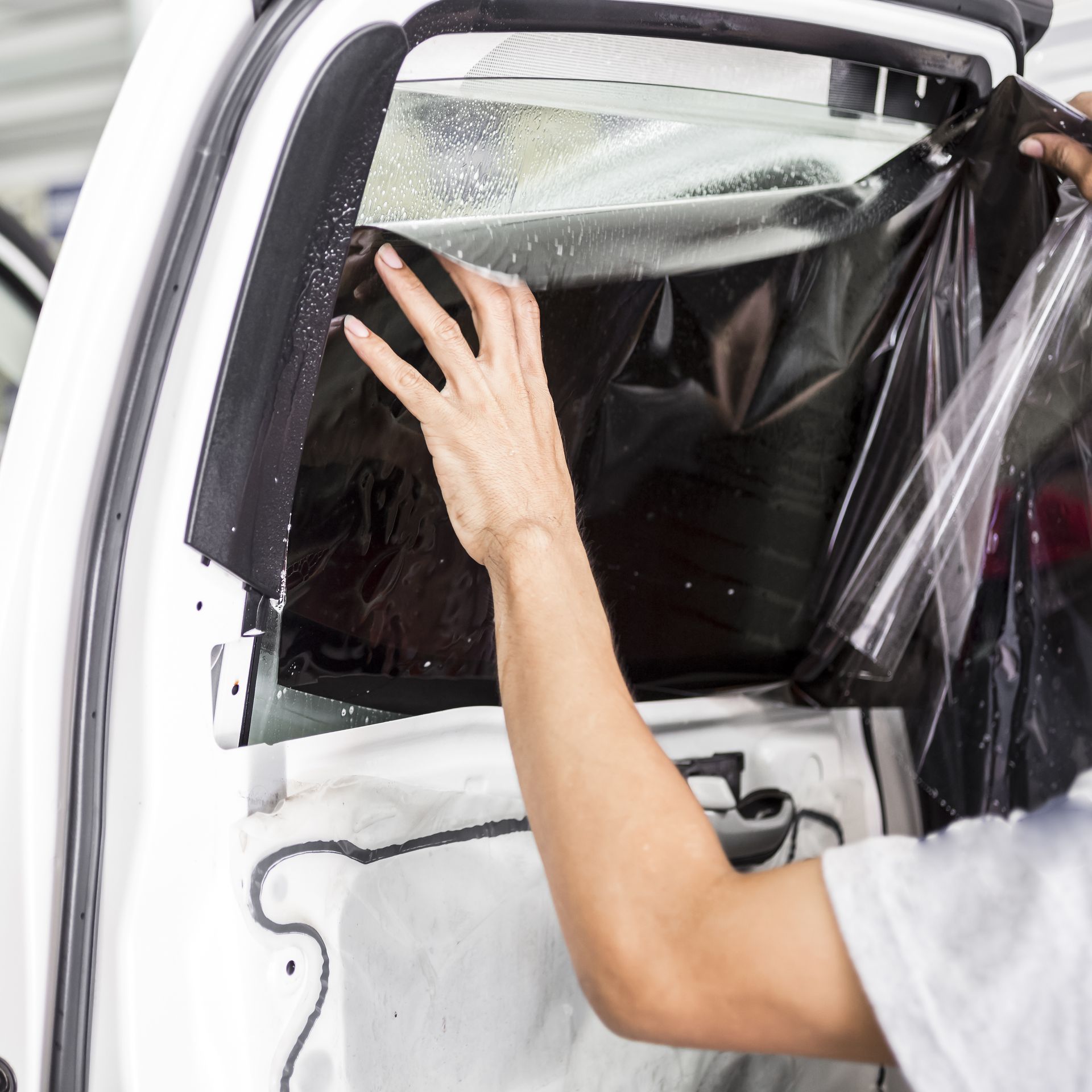
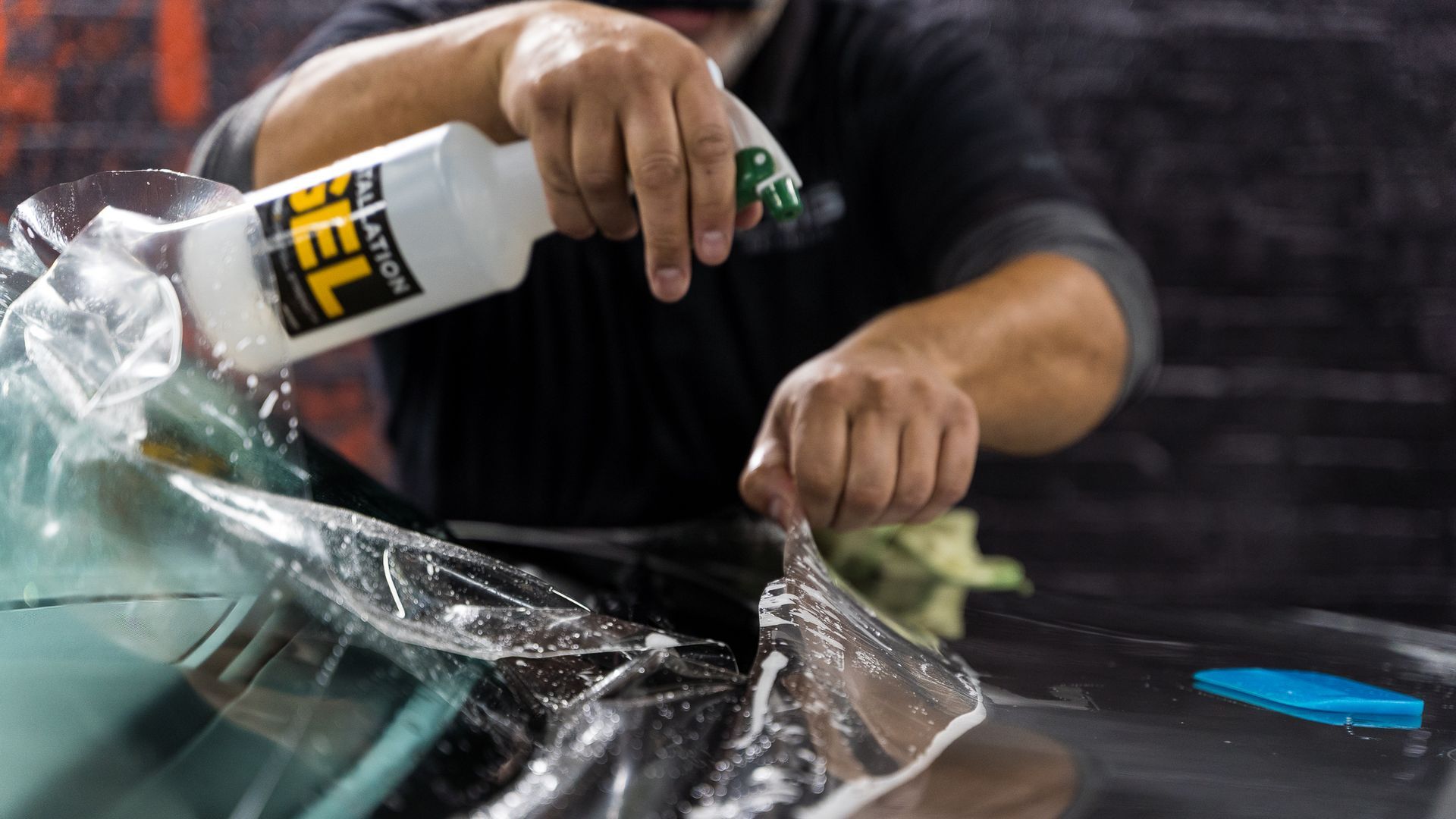
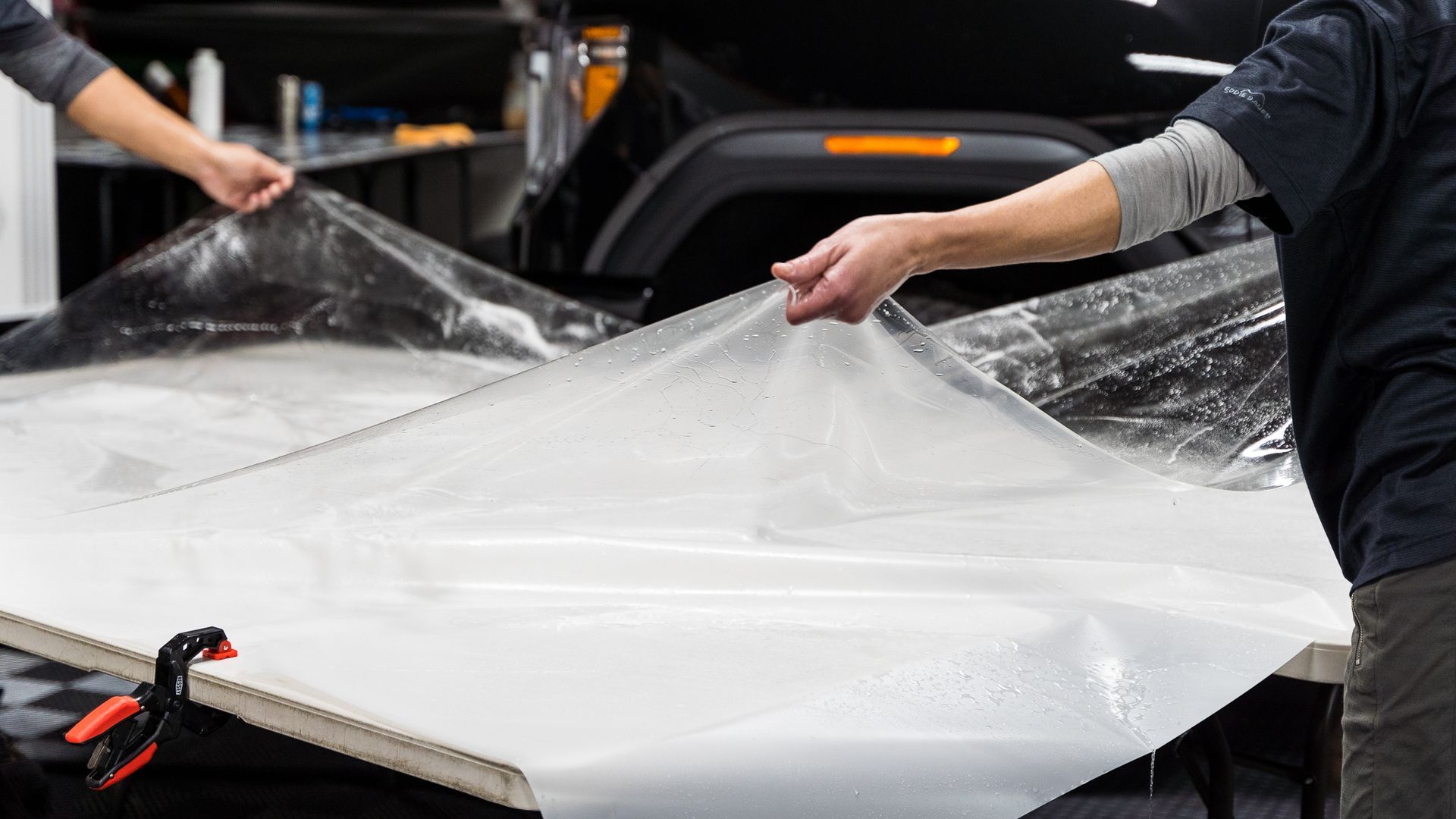
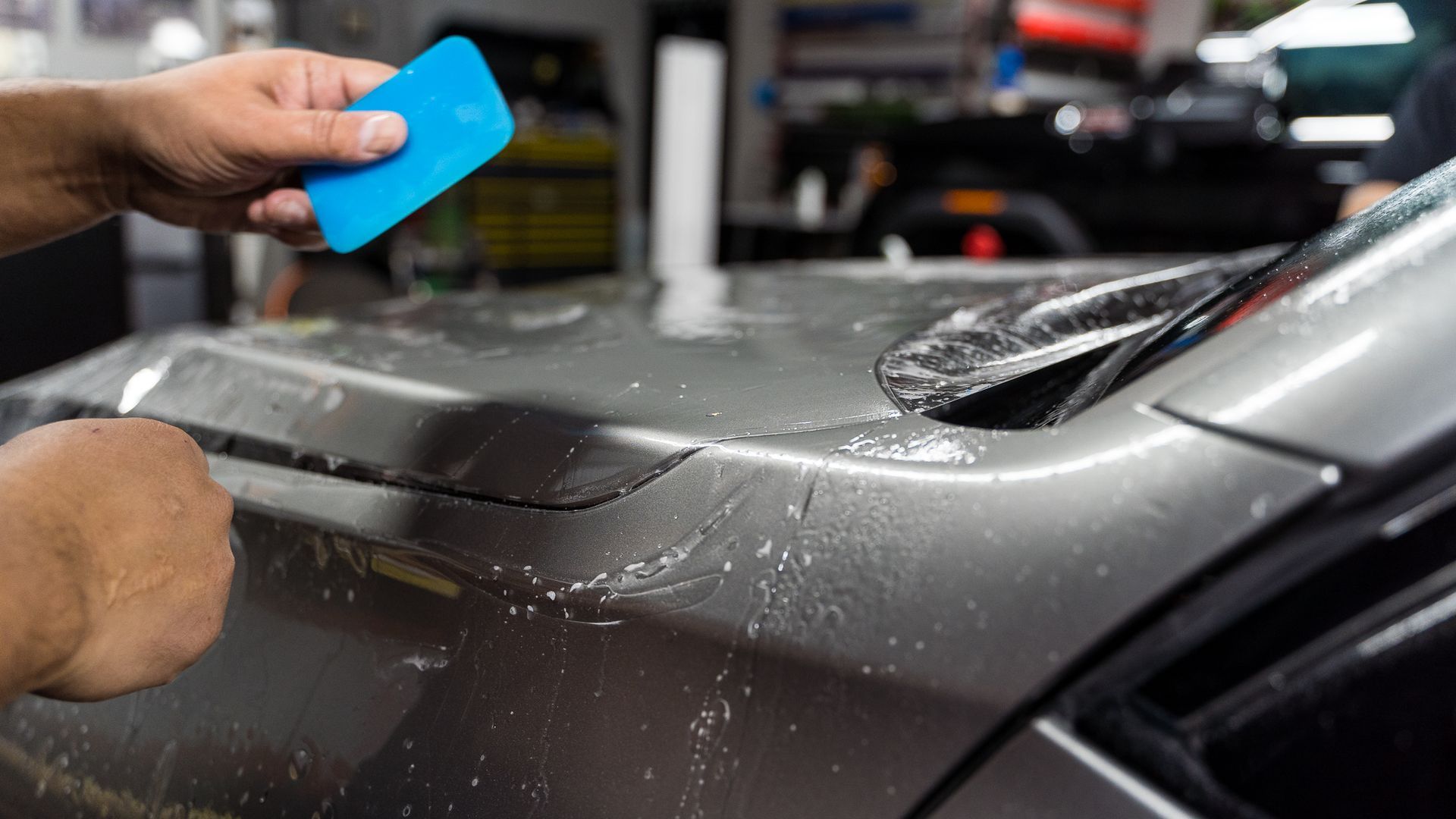
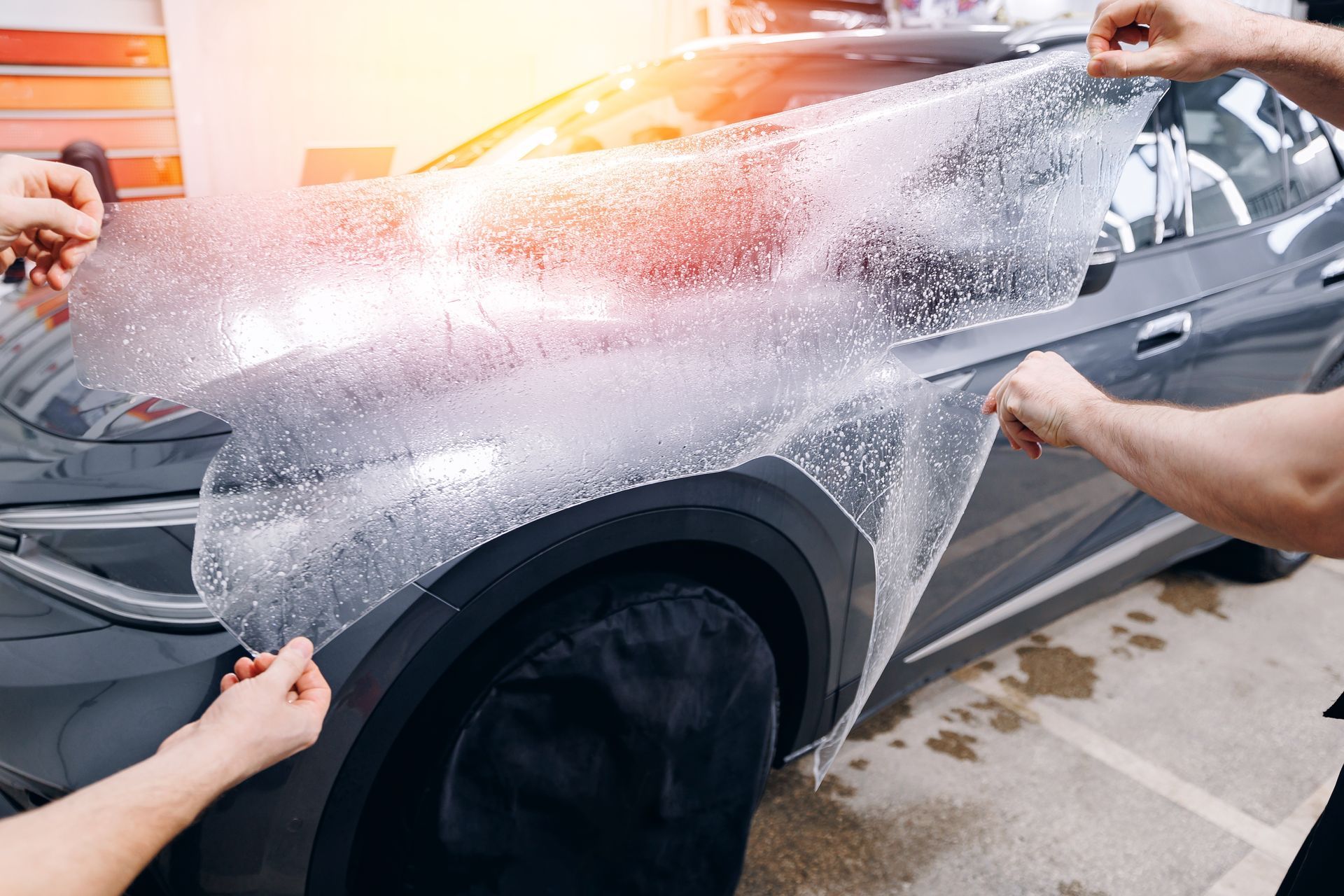
Paint protection film, commonly called PPF, is a thin layer of material applied to a vehicle's painted surfaces. The film creates a physical barrier between your paint and the outside world, absorbing impacts that would otherwise affect your finish directly.
The film is typically made from thermoplastic urethane, a flexible material that conforms to your vehicle's curves. When properly installed, the film bonds to your paint and becomes virtually invisible while adding protection.
Unlike
ceramic coatings that create chemical barriers, paint protection film provides physical protection. This distinction matters because different hazards require different defenses.
Sands of Time
How Paint Protection Film Works
The film absorbs and distributes impact energy across its surface rather than allowing energy to concentrate on a single point of your paint. When road debris contacts the film, the material flexes and absorbs the impact, preventing debris from reaching your paint underneath.
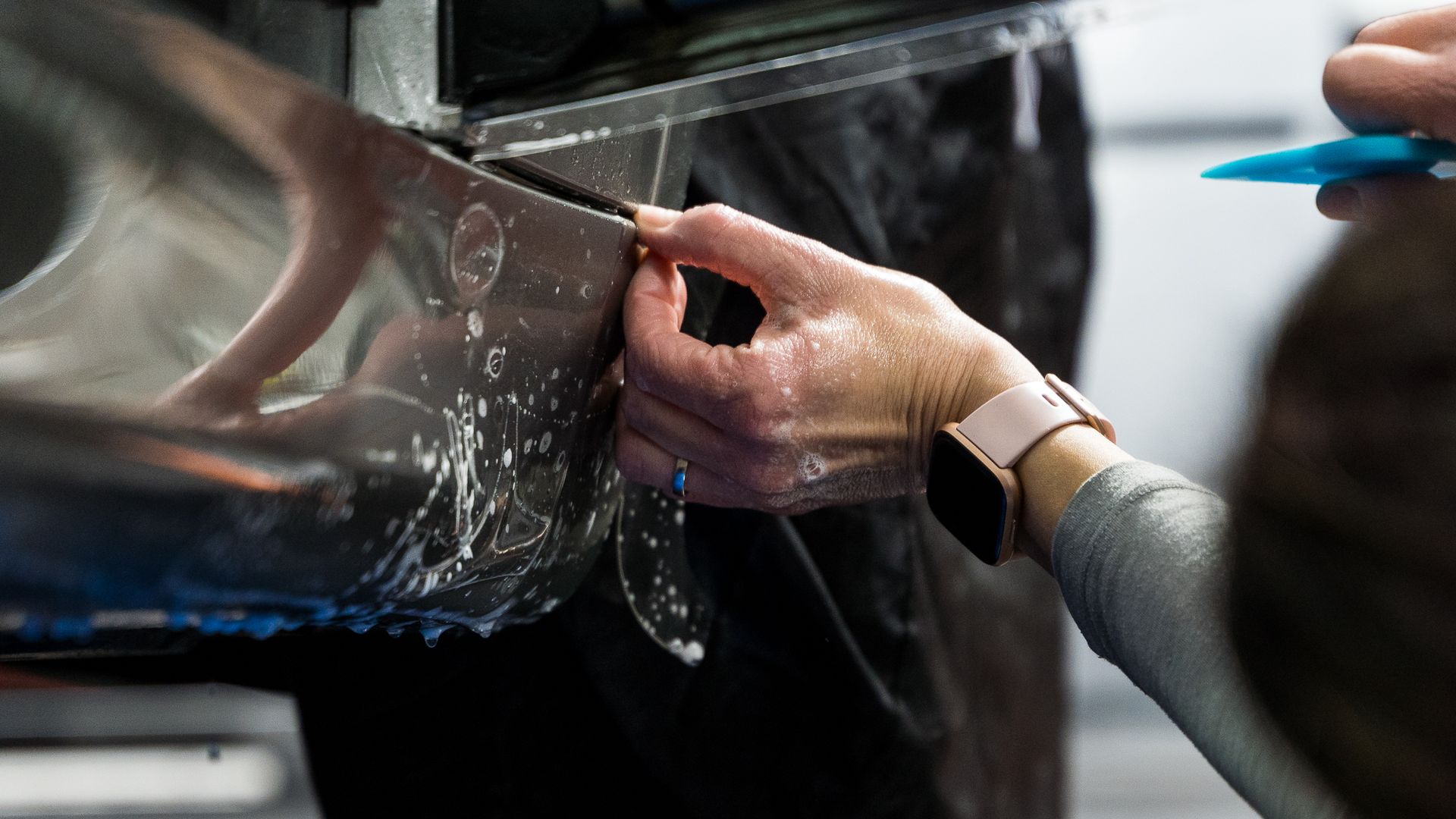
The film's adhesive bonds it securely to your paint without damaging the underlying finish. Quality installations ensure proper adhesion and alignment, affecting both appearance and protective performance.
What Road Hazards PPF Addresses
Paint protection film provides defense against several common road hazards.
Rock Chips and Road Debris
Loose gravel and debris kicked up by other vehicles cause common paint damage. Paint protection film absorbs these impacts, preventing rock chip damage.
Bug Residue
Insect impacts leave acidic residue that can etch into unprotected paint. The film creates a barrier preventing this residue from contacting your paint directly.
Minor Surface Impacts
Daily driving exposes vehicles to impacts from shopping carts, door edges, and incidental contact. The film provides defense against light impacts that would cause surface marring on unprotected paint.
Environmental Exposure
Road salt, tree sap, and bird droppings can damage unprotected paint. The film provides a barrier preventing these substances from contacting your paint.
Understanding Realistic Expectations
Honest discussion requires addressing what the film does not do.
Virtually Invisible, Not Invisible
Quality film is optically clear and virtually invisible when properly installed. However, under certain lighting or angles, you may notice film edges or slight appearance differences.
Not Protection Against All Damage
Paint protection film has limits. Severe impacts and extreme conditions can still damage both the film and paint underneath. The film improves protection significantly but does not make your vehicle immune to all damage.
Not a Permanent Solution
Paint protection film does not last indefinitely. Environmental exposure and UV radiation affect the film over time. Eventually, replacement becomes necessary.
Does Not Replace Other Protection
Film provides physical impact protection, while ceramic coating provides chemical resistance and ease of cleaning. Many owners use both together because each addresses different exposure types.
Evaluating Whether PPF Fits Your Needs
Deciding whether paint protection film makes sense involves considering your situation and priorities.
Consider how you use your vehicle. Frequent highway driving and mountain roads expose vehicles to more debris than typical city driving. Higher exposure increases the value of physical protection.
Consider your expectations for vehicle condition. If maintaining showroom appearance matters, protection that prevents damage proves more valuable than repairs after damage occurs.
Consider your vehicle's value and how long you plan to keep it. Protection investments make more sense for vehicles you intend to own for years.
Professional Vehicle Care Options
Understanding your protection options helps you make informed decisions. Different products address different needs.
For vehicle owners looking to protect and maintain their vehicles, professional services make a meaningful difference. Ceramic coating provides chemical protection and UV resistance. Paint correction addresses existing surface imperfections. Full detailing restores overall vehicle condition.
Our mobile service brings professional vehicle care directly to your Denver Metro Area location.
Understanding what is paint protection film represents is one part of understanding your complete vehicle care options. For questions about the vehicle care services we currently offer, contact us to discuss how professional detailing can help maintain your vehicle.
Frequently Asked Questions
What is paint protection film made of?
Paint protection film is typically made from thermoplastic urethane, a flexible material that can stretch and conform to vehicle body panels. This material provides the physical characteristics that allow the film to absorb impacts and protect the paint underneath. The film includes an adhesive layer that bonds to your paint and a clear top layer that maintains optical clarity. Quality varies between products, affecting durability and appearance.
Does paint protection film work on all vehicles?
Paint protection film can be applied to virtually any vehicle with painted surfaces. The film conforms to curves and contours through careful installation by trained professionals. However, paint condition matters. Film applied over existing damage preserves that damage rather than correcting it. Vehicles with paint imperfections often benefit from paint correction before film installation to ensure the best possible result.
How long does paint protection film last?
Paint protection film does not last indefinitely. Durability depends on the specific product, installation quality, environmental exposure, and how you maintain your vehicle. Over time, UV exposure and environmental factors affect the film. Eventually replacement becomes necessary to maintain protection and appearance. Discussing expected lifespan with installers helps you understand what to expect from specific products.
Can paint protection film be removed?
Yes, paint protection film can be removed without damaging properly maintained paint underneath. Professional removal ensures the adhesive releases cleanly. This allows you to replace aging film or return to an unprotected finish if desired. Removal quality depends on how long the film has been installed and the condition of both the film and the paint.
Is paint protection film the same as ceramic coating?
No, paint protection film and ceramic coating serve different purposes. Paint protection film provides physical protection against impacts, absorbing road debris and preventing rock chip damage. Ceramic coating provides chemical protection, UV resistance, and hydrophobic properties that make cleaning easier. Many vehicle owners use both together because each addresses different types of exposure and provides different benefits.