
Window Tint Benefits: UV Protection, Heat Rejection and More
Most people think of window tint as a style choice. But the practical benefits extend far beyond appearance.
Understanding window tint benefits helps you see tint as a functional upgrade that protects your health, your comfort, and your vehicle's interior.
At Mountainside Mobile Detailing, we help vehicle owners throughout the Denver Metro Area understand their options for protecting and maintaining their vehicles.
UV Ray Protection
Ultraviolet radiation affects both your skin and your vehicle's interior. Quality window tint addresses both concerns.
Skin Protection
Standard automotive glass blocks some UV rays, but significant amounts still penetrate through side and rear windows. Drivers and passengers receive UV exposure during every trip.
Quality window tint films block the majority of UV radiation, reducing exposure during daily driving. This matters for commuters and parents concerned about children's sun exposure. Window tint provides protection during driving, though it should not replace sunscreen for comprehensive sun protection.
Interior Material Protection
UV radiation degrades interior materials over time. Leather dries and cracks. Fabric discolors. Dashboard plastics become brittle. By blocking most UV rays, window tint slows this degradation significantly, helping interiors maintain their appearance longer. For exterior paint,
ceramic coating provides similar UV protection.
Heat Rejection
Colorado sun creates significant heat buildup inside parked vehicles. Even during shorter stops, interior temperatures climb rapidly. Window tint addresses this through infrared heat rejection.
How Heat Rejection Works
Sunlight contains infrared radiation that carries heat. Different tint types block different amounts of this energy. Higher-performance films reject more heat before it enters your vehicle.
The result is a cabin that heats up more slowly when parked and stays cooler while driving. Air conditioning works more efficiently because it fights less incoming heat.
Practical Comfort
Reduced heat buildup means less waiting for your vehicle to cool down. Leather seats and steering wheels reach lower peak temperatures. Passengers experience more comfortable conditions, especially children in rear seats.
Glare Reduction
Intense sunlight and reflections from other vehicles, road surfaces, and buildings create glare that causes eye fatigue. Extended driving in bright conditions contributes to driver tiredness.
Window tint reduces the intensity of incoming light, creating more comfortable visibility conditions. Eyes work less hard to manage brightness, reducing fatigue during longer drives.
Counterintuitively, reducing overall light intensity can improve visibility by eliminating harsh contrasts. When bright areas are less overwhelming, details become easier to see.
Shatter Resistance
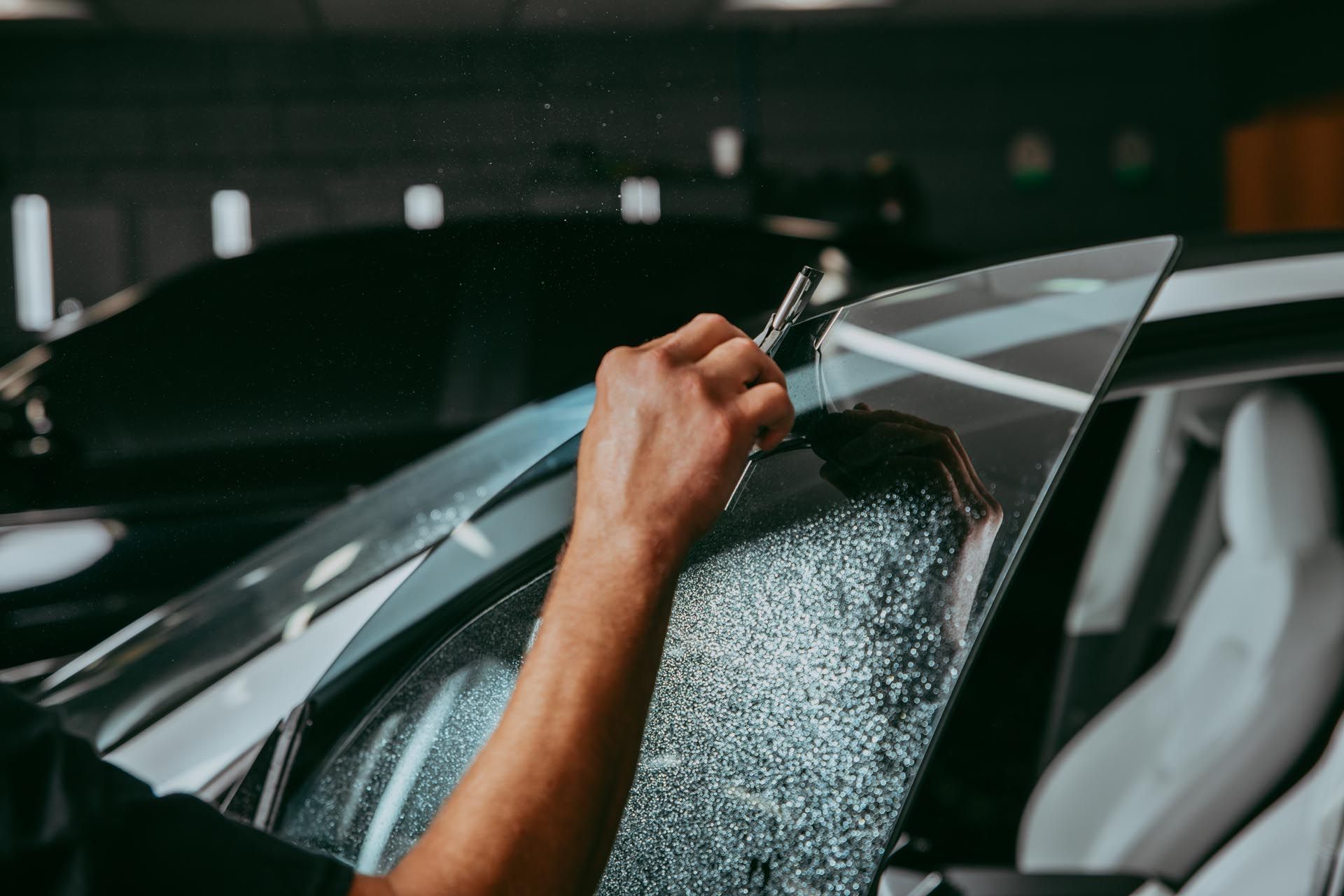
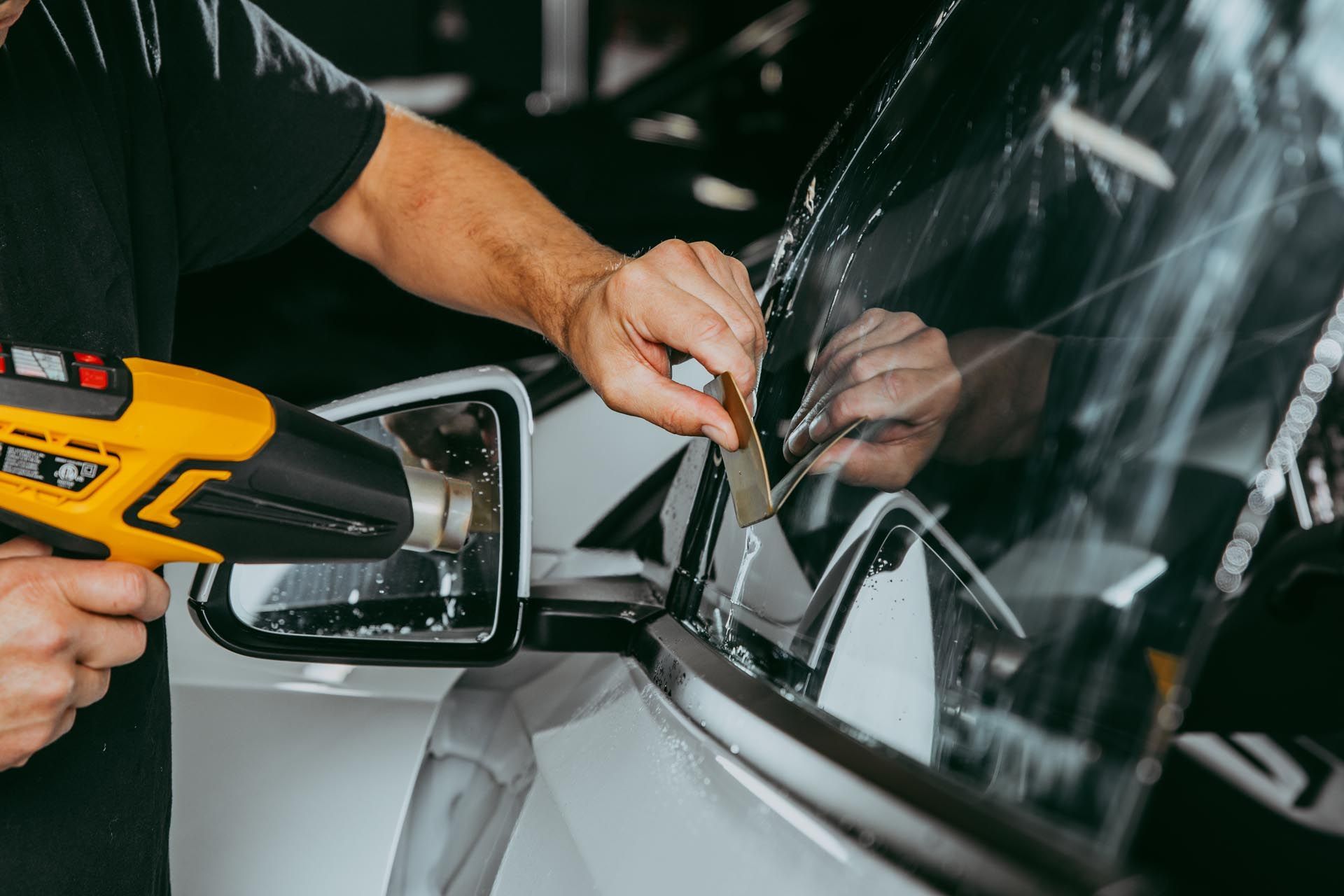
Window tint film adds a layer that affects glass behavior during impacts.
When untinted glass breaks, it separates into pieces that scatter throughout the cabin. Window tint film adheres to the glass surface. If the glass breaks, the film helps hold fragments together rather than allowing them to scatter.
Tinted windows also make it harder to see inside your vehicle, providing privacy for occupants and making it less obvious when valuables are present.
Interior Preservation
The combined effects of UV blocking and heat reduction significantly impact interior longevity.
Leather, vinyl, fabric, and plastics all deteriorate faster under UV exposure and heat cycling. The expansion and contraction from temperature swings stresses materials. UV radiation breaks down their chemical structure over time.
Window tint reduces both stressors. Interiors that receive less UV exposure and experience smaller temperature swings maintain their condition better over years of ownership. Regular interior detailing combined with tint protection maximizes interior longevity.
Interior condition affects vehicle resale value significantly. Faded or damaged interiors reduce what buyers will pay. For luxury vehicles with expensive interior materials, the value preservation becomes even more significant.
Considerations for Colorado Drivers
Colorado's high altitude means more intense UV exposure than many other states. The thinner atmosphere filters less radiation, making UV protection more relevant for Colorado vehicle owners.
The combination of intense sun and significant temperature swings creates challenging conditions for vehicle interiors. Protection against both UV and heat addresses Colorado-specific concerns. Full detailing helps maintain vehicles exposed to these conditions.
Understanding Your Options
Different window tint types offer different levels of UV blocking, heat rejection, and appearance. Making an informed choice requires understanding what each option provides. The differences between dyed, carbon, and ceramic films clarify which performance characteristics matter for your situation.
Sands of Time
Vehicle Protection Beyond Tint
Window tint represents one component of comprehensive vehicle protection. Other services address different aspects of maintaining your vehicle's condition and value.
For questions about the vehicle protection services we currently offer, contact us to discuss your needs.
Frequently Asked Questions
How much UV do window tints actually block?
Quality window tint films block the majority of UV radiation, with many films blocking up to 99 percent of UV rays. The exact percentage depends on the specific film quality and type. Even lighter tints provide significant UV protection because UV blocking comes from the film properties rather than the darkness level. Check specific film specifications when evaluating options.
Will window tint make my car too dark inside?
Tint darkness varies widely based on the film you choose. Lighter films provide UV and heat protection while maintaining more natural interior lighting. Darker films increase privacy and may provide additional heat rejection but reduce interior visibility. Your choice depends on balancing protection goals with visibility preferences and legal requirements for your area.
Does window tint really reduce interior heat?
Yes, particularly films designed for heat rejection. The amount varies by film type. Ceramic and carbon films typically provide better heat rejection than dyed films. Higher-quality films within each category also perform better. While no tint eliminates heat buildup entirely, quality films noticeably reduce how hot your interior gets, especially during parked periods in direct sun.
How long does window tint last?
Tint longevity depends on film quality, installation quality, and environmental exposure. Quality films professionally installed typically last many years without significant degradation. Lower-quality films may fade, bubble, or discolor sooner, especially with heavy sun exposure. Investing in better film quality generally results in longer service life and better-maintained appearance.
Is window tint worth it for a vehicle I won't keep long-term?
Even for shorter ownership periods, window tint provides daily comfort and protection benefits. Reduced heat, less glare, and UV protection improve your driving experience immediately. The interior protection benefits begin right away, helping maintain condition during your ownership. Whether the investment makes sense depends on how much you value those daily benefits during your ownership period.