
How to Remove Tree Sap, Bird Droppings, and Tar Without Damaging Car Paint
You return to your car and find sticky sap across the hood. Or bird droppings baked onto the roof. These contaminants do more than look bad. Left unaddressed, they damage your paint.
Knowing how to remove tree sap from car paint safely, along with bird droppings and tar, helps you act quickly without making things worse.
At Mountainside Mobile Detailing, we help vehicle owners throughout the Denver Metro Area address contamination issues and maintain their finish.
Why These Contaminants Damage Paint
Understanding why these substances harm your finish explains the urgency of proper removal.
Tree Sap
Tree sap bonds aggressively as it hardens. Hardened sap can pull clear coat away when removed improperly. Even properly removed sap may leave etching if left too long.
Bird Droppings
Bird droppings contain acids that etch into clear coat quickly, especially in warm weather. Droppings left in direct sunlight can cause visible damage within hours.
Road Tar
Tar adheres stubbornly to lower body panels and wheel wells. While less immediately damaging, tar becomes increasingly difficult to remove over time. Improper removal can cause surface marring.

Time Matters
Fresh contamination removes more easily than set-in contamination. Sap on your car for days requires more aggressive methods than sap discovered the same day. Bird droppings baked in summer heat may have already caused etching that removal won't reverse.
When you discover contamination, address it as soon as possible. Parking in shade slows hardening but doesn't stop damage.
Fresh Contamination Approach
Fresh contaminants that haven't fully hardened respond to gentler methods.
Gentle Methods First
For fresh contamination, start with the least aggressive approach. Warm water and automotive soap may soften fresh bird droppings enough for careful removal. Fresh sap may respond to gentle cleaning before it fully hardens.
The key is softening the contaminant before attempting to lift it. Trying to scrape hardened material risks surface marring.
Proper Technique
Use soft microfiber towels and work gently. Lift contamination away rather than rubbing across the paint. Rinse thoroughly after removal.
Set-In Contamination Approach
Contamination that has hardened requires different methods and more patience.
Softening First
Hardened sap, baked-on droppings, or accumulated tar must be softened before removal. Automotive-specific products designed for contaminant removal work better than household alternatives. These products break down the bond without attacking your clear coat. Apply the product and allow it to work before attempting removal.
Careful Removal
Once softened, remove carefully using soft materials. Multiple applications may be necessary for stubborn contamination. Patience produces better results than aggressive force.
What to Avoid
Avoid harsh household solvents, abrasive materials, or excessive pressure. Never use gasoline, lacquer thinner, or industrial solvents. These can damage clear coat, trim, and other surfaces.
When Home Methods Aren't Enough
Some situations exceed what home methods can safely address.
Already Damaged
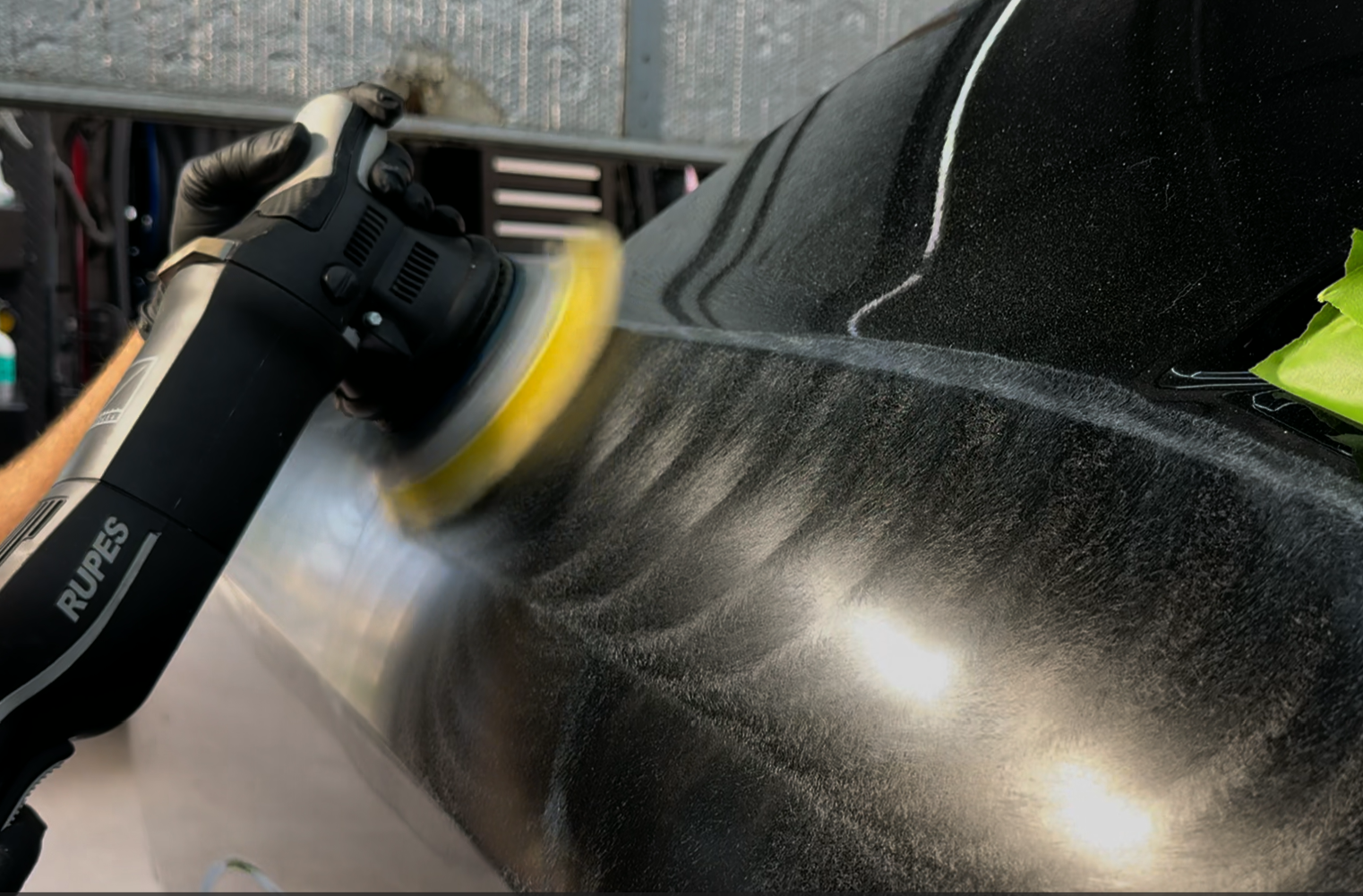
If contamination has etched or stained your paint, removal alone won't fix the damage. The contamination may be gone, but the etching remains visible. Paint correction addresses etching and staining that contamination has caused.
Heavily Set-In or Large Areas
Contamination on your vehicle for extended periods may require professional techniques and equipment. Multiple sap drips across your vehicle or widespread bird droppings may warrant professional attention rather than extended home attempts.
Uncertainty
If you're unsure whether your approach will work safely, professional help avoids making things worse. Surface marring from improper removal attempts can require additional correction work.
Professional Contamination Treatment
Professional exterior detailing addresses contamination with appropriate techniques and products.
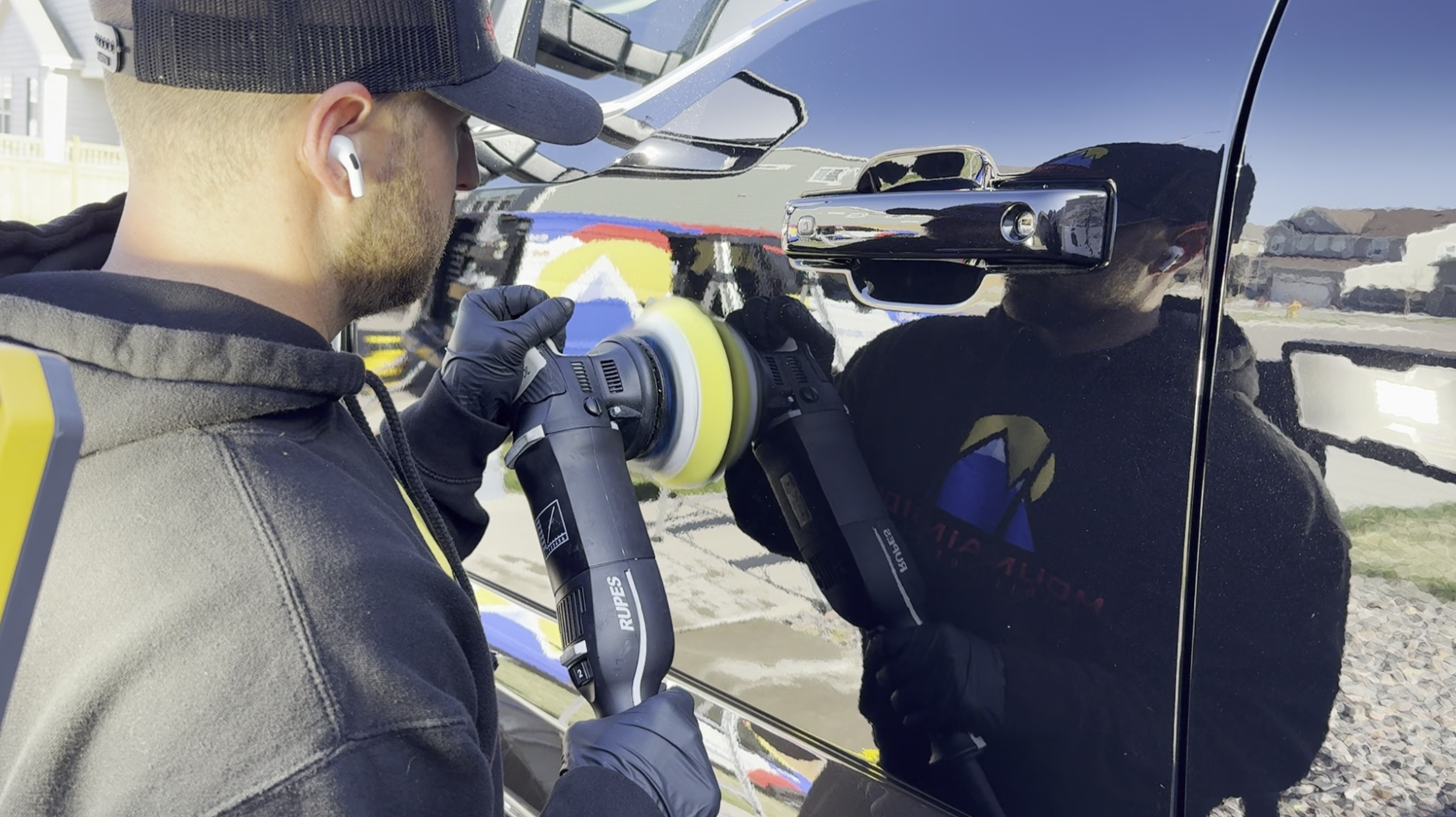
For contamination that has damaged your finish, paint correction restores the affected areas. This addresses etching and staining that removal alone cannot fix.
Preventing Future Damage
Reducing contamination exposure and improving paint protection limits future issues.
Parking Choices
When possible, avoid parking under sap-heavy trees. Covered parking reduces exposure to bird droppings and tree contamination.
Paint Protection
Ceramic coating creates a barrier that makes contamination easier to remove before it bonds strongly. The hydrophobic properties help contaminants release more easily during washing.
Prompt Attention
Regular vehicle inspection catches contamination early. The sooner you address sap, droppings, or tar, the easier removal becomes.
Acting Quickly and Safely
Understanding how to remove tree sap from car paint safely, along with bird droppings and tar, helps protect your investment. Fresh contamination responds to gentle methods. Set-in contamination requires patience and appropriate products.
When home methods reach their limits or damage has already occurred, professional service addresses what home approaches cannot.
For questions about addressing contamination on your vehicle, contact us to discuss your situation.
Frequently Asked Questions
How quickly can bird droppings damage car paint?
In warm weather and direct sunlight, bird droppings can begin etching into clear coat within hours. The acids in droppings react faster with heat. Cooler conditions slow but don't stop the process. Addressing droppings the same day you discover them significantly reduces damage risk compared to leaving them for days.
Can I use household products to remove tree sap?
Some household products may work on fresh sap, but automotive-specific products are formulated for safe use on vehicle paint. Household products may contain ingredients that affect clear coat, trim, or other surfaces. Using products designed for automotive use reduces the risk of creating new problems while solving the contamination issue.
Will washing my car remove tar?
Standard car washing typically doesn't remove tar effectively. Tar requires specific products that break down its adhesive properties. Attempting to remove tar with regular soap and rubbing often spreads it around or creates surface marring. Dedicated tar removal products dissolve the material for safe removal.
How do I know if contamination has damaged my paint?
After removing contamination, look at the area under good lighting. If you see dull spots, discoloration, or texture differences where the contamination was, damage may have occurred. Etching from bird droppings often appears as a lighter or textured spot. Staining from sap may leave discolored areas. Paint correction can address these issues.
Does ceramic coating prevent contamination damage?
Ceramic coating doesn't prevent contamination from landing on your vehicle, but it significantly improves your ability to remove it before damage occurs. The coating creates a barrier between contaminants and your paint. Contaminants don't bond as readily to coated surfaces, making removal easier and reducing the time pressure for addressing contamination.