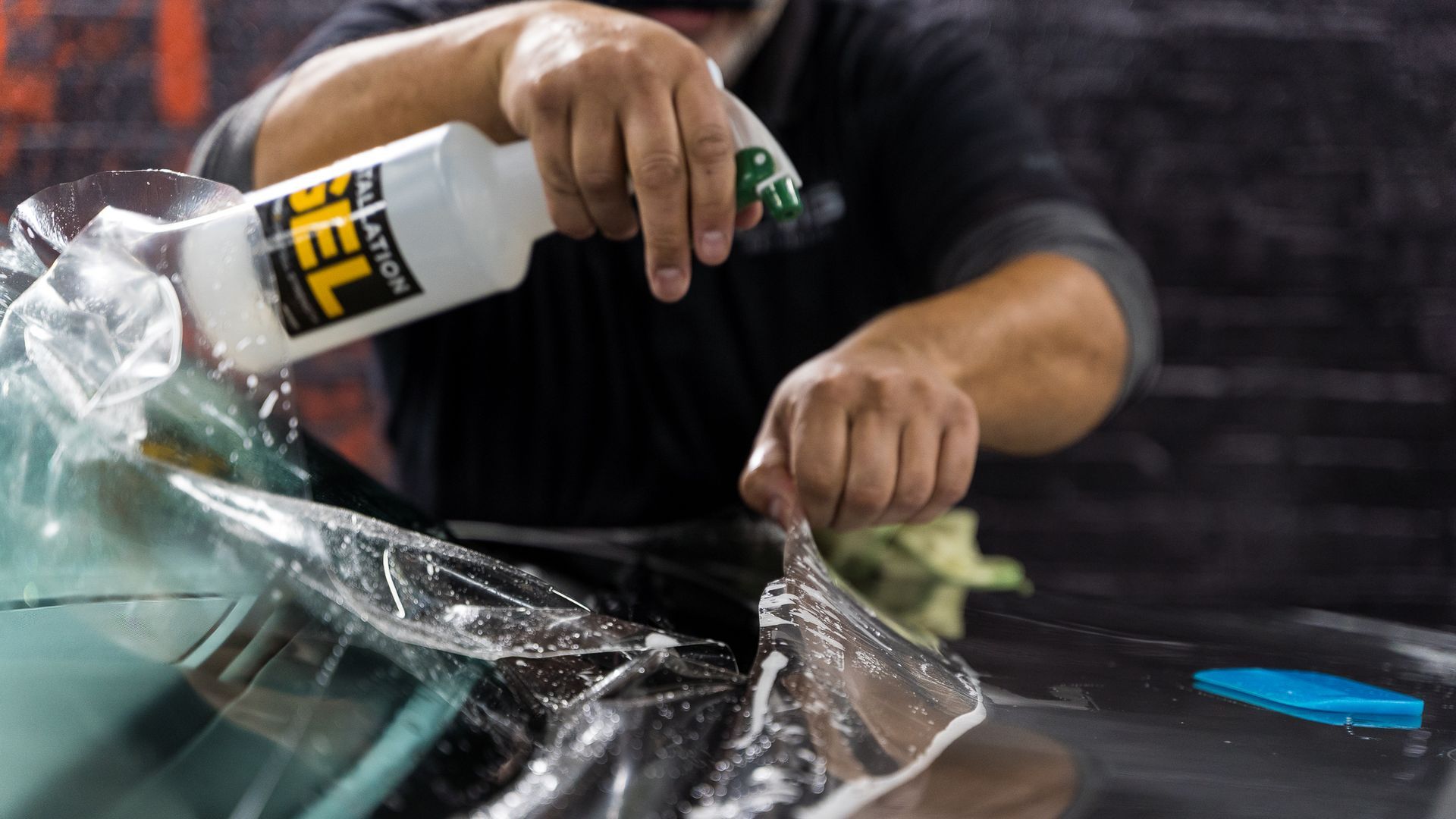

What Car Paint Correction Is and What It Removes From Your Vehicle's Finish
Your vehicle's paint looked flawless when new. Now, under direct sunlight, you notice a haze. The surface appears dull, and light reveals imperfections that make the finish look tired.
Understanding what is paint correction helps you evaluate whether this service can restore your vehicle's appearance.
At Mountainside Mobile Detailing, we help vehicle owners throughout the Denver Metro Area understand their options for restoring paint condition.
What Paint Correction Actually Is
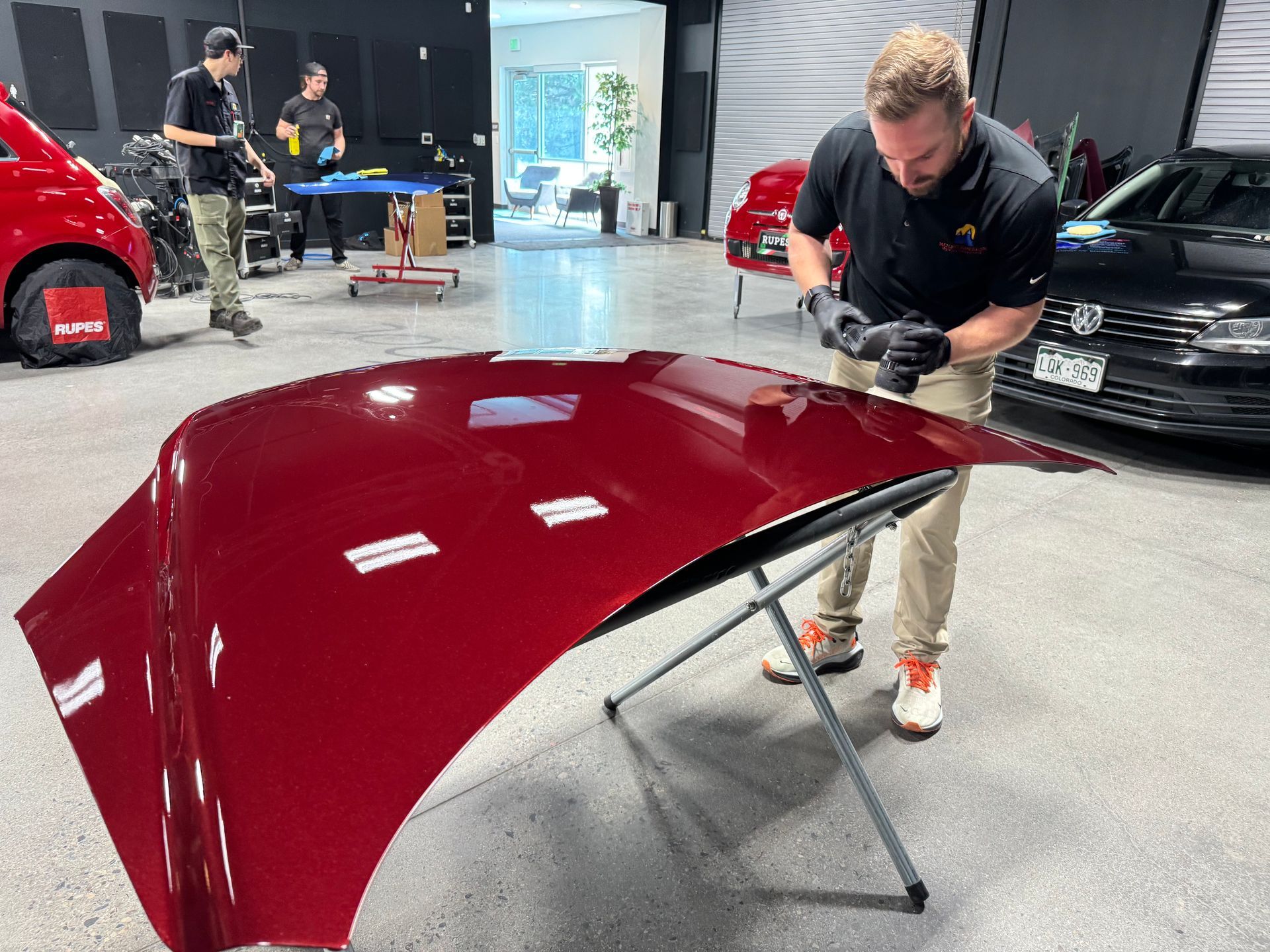
Paint correction is a restorative process that removes imperfections from your vehicle's clear coat. Unlike washing or waxing, correction actually removes a microscopic layer of clear coat to eliminate defects embedded in it.
The process uses specialized polishing techniques to level the paint surface. Think of it as resetting your paint to a corrected state rather than covering up problems. The defects are physically removed, not hidden.
Sands of Time
Surface Issues Paint Correction Addresses
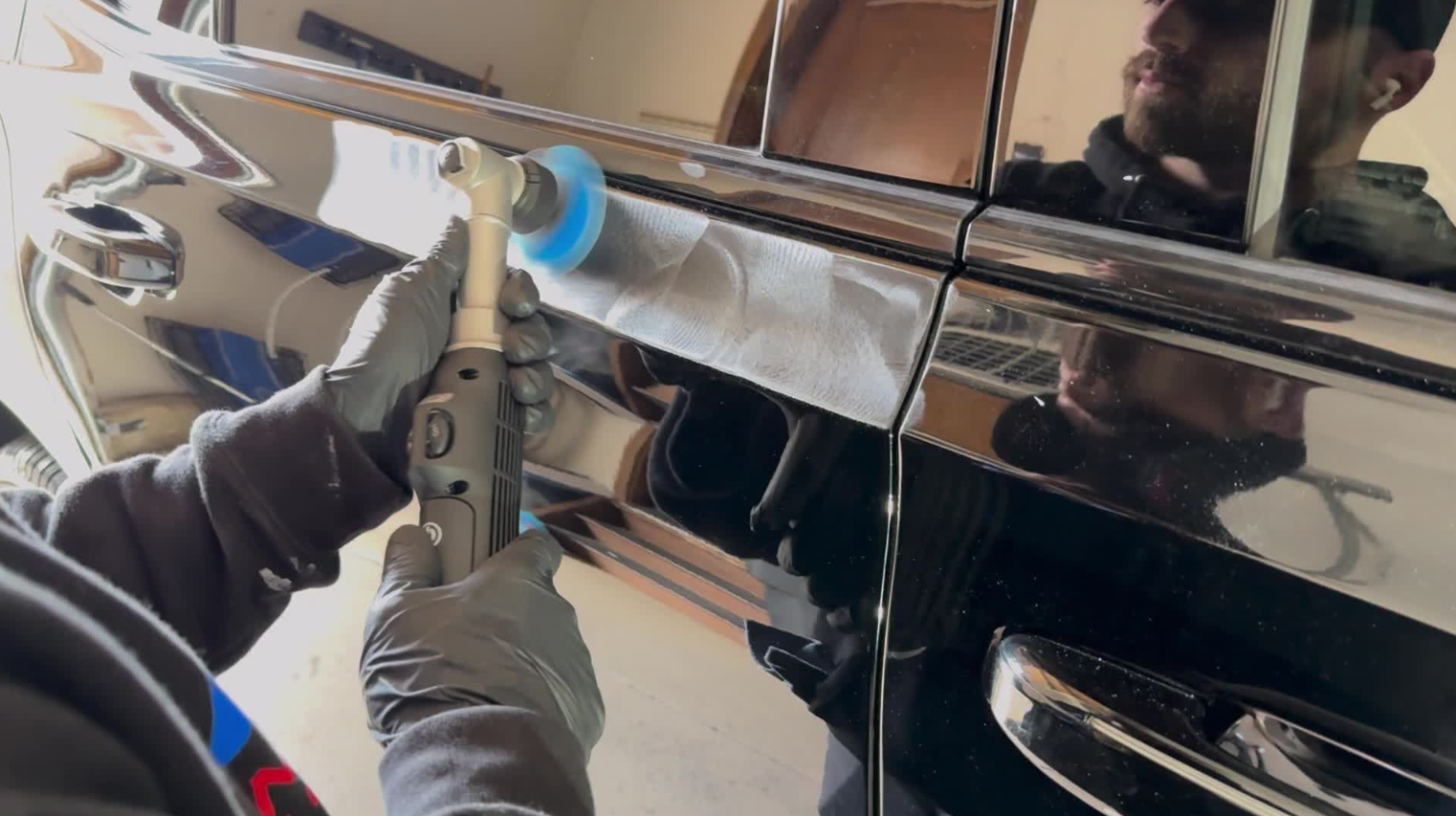
Paint correction targets specific defects that accumulate through normal use and improper care.
Swirl Marks
Circular patterns visible in direct sunlight, typically from improper washing, automatic car washes, or circular wiping motions. Swirl marks scatter light and create hazy appearance.
Surface Marring
Light surface defects creating a dull, flat appearance even on clean paint. Marring results from years of minor contact and environmental exposure.
Oxidation
UV exposure degrades clear coat, causing faded, chalky, or dull appearance. This damage sits within the clear coat itself.
Water Spot Etching
Mineral deposits from hard water can etch into clear coat if allowed to remain. These leave marks that washing cannot remove.
Buffer Holograms
Improper machine polishing leaves distinctive wavy patterns under direct light, indicating previous correction done incorrectly.
How Paint Correction Works
The process involves carefully controlled removal of clear coat material to eliminate defects.
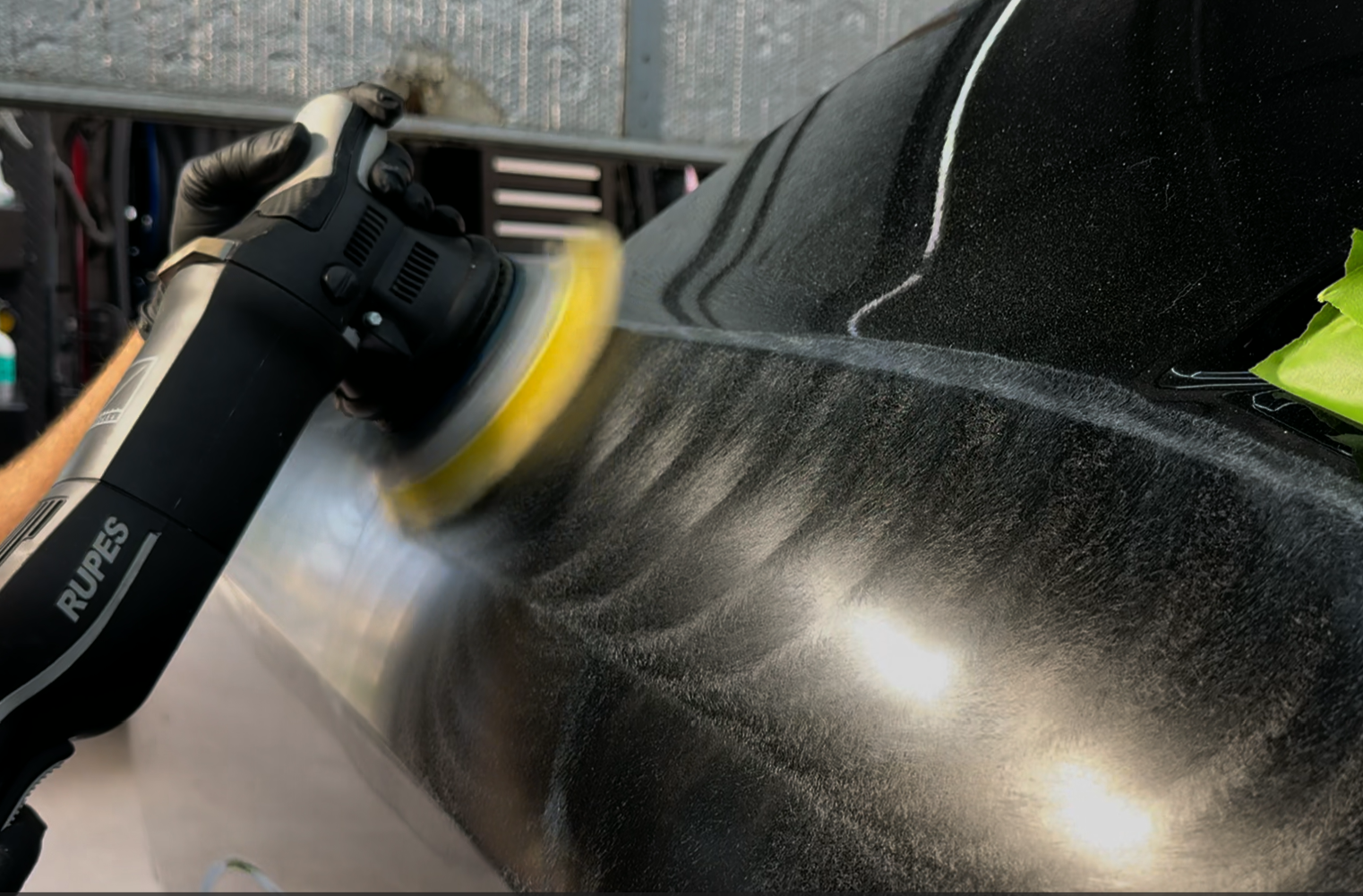
Professional correction typically involves multiple stages of work. Less aggressive steps address lighter defects, while more intensive work removes deeper imperfections. The goal is removing only enough material to eliminate defects while preserving clear coat thickness.
The process requires significant time and attention. Professional correction addresses each panel based on its specific condition.
What Results to Expect
Paint correction delivers measurable improvement, but realistic expectations matter.
Improvement in Clarity
Corrected paint reflects light evenly rather than scattering it. This creates deep, wet appearance with richer, more vibrant colors.
Visible Defect Reduction
Swirl marks, surface marring, and light imperfections are significantly reduced or eliminated.
Honest Limitations
Deep imperfections beyond the clear coat may require touch-up. Rock chip damage cannot be polished away. Some severe defects may be improved but not completely eliminated. A qualified professional assesses your paint and explains achievable results.
When Paint Correction Is Needed
Several situations indicate paint correction would benefit your vehicle.
Visible Surface Defects
If swirl marks, hazing, or surface marring appear under direct light, correction addresses these issues. The more noticeable the defects, the more correction can improve appearance.
Preparation for Ceramic Coating
Paint correction before ceramic coating ensures the coating protects a properly prepared surface. Coating over defective paint locks those defects in place.
Restoration of Older Vehicles
Vehicles with years of accumulated wear often benefit significantly from professional correction.
Maintaining Value
For luxury vehicles or those you plan to sell, paint condition affects value. Correction restores appearance, affecting both enjoyment and resale.
When Less Aggressive Service Suffices
Not every vehicle needs paint correction.
Recently New Vehicles
Newer vehicles with minimal defects may need only proper washing and protection rather than correction.
Light Contamination Only
If paint feels rough but looks clear under direct light, decontamination rather than correction may address the issue.
Maintenance After Previous Correction
Vehicles that received recent correction and protection typically need only maintenance to preserve results.
Sands of Time
Protecting Correction Results
Paint correction restores your finish, but protection maintains those results over time.
After correction, ceramic coating provides durable protection that makes maintenance easier and helps preserve the corrected finish. Proper washing techniques also matter, as improper methods will create new defects on corrected paint.
Professional Paint Correction
Our paint correction services address paint condition issues. Mobile service brings professional correction directly to your Denver Metro Area location, whether at home or office.
Understanding what is paint correction helps you evaluate whether this service fits your situation. For vehicles with visible surface defects, correction provides restoration that washing or waxing cannot achieve.
Contact us to discuss your vehicle's paint condition and whether correction is the right approach for your needs.
FAQ
How long does paint correction last?
Correction results are not temporary in the sense that defects return automatically. The imperfections are physically removed. However, new defects can develop through improper washing, environmental exposure, and normal use. Protecting corrected paint with ceramic coating and following proper maintenance practices helps preserve results. Without protection and care, new defects gradually accumulate just as they did originally.
Is paint correction safe for my vehicle?
Professional paint correction, performed correctly, is safe for vehicles with adequate clear coat thickness. The process removes a controlled amount of clear coat material. Professional assessment before work begins ensures your paint can safely undergo correction. Vehicles with very thin or previously damaged clear coat may have limitations on how much correction is possible.
What's the difference between paint correction and polishing?
The terms overlap but generally differ in intensity. Light polishing may enhance shine without significant defect removal. Paint correction specifically targets and removes surface defects through more intensive work. Correction typically involves multiple stages and removes measurable material to eliminate imperfections. The distinction often comes down to the goal: enhancement versus restoration.
Can paint correction fix all paint problems?
No. Paint correction addresses defects within the clear coat layer. Deep damage that extends into the base coat or primer requires touch-up or repainting rather than correction. Rock chip damage cannot be polished away. Very severe defects may be improved but not fully eliminated if complete removal would compromise remaining clear coat. Professional assessment determines what results are achievable.
Should I get paint correction before ceramic coating?
Generally yes, if your paint has visible defects. Ceramic coating locks in your paint's current condition. Applying coating over defective paint preserves those defects under the coating. Correcting first ensures the coating protects a restored surface, maximizing the value of both services. For paint already in good condition, correction may not be necessary before coating.