
Ceramic vs Dyed vs Carbon Car Window Tint Explained
Choosing window tint involves more than picking a darkness level. The type of film affects heat rejection, longevity, and color stability over time.
This guide compares ceramic vs dyed vs carbon window tint so you can evaluate which type makes sense for your vehicle and your priorities.
At
Mountainside Mobile Detailing, we help vehicle owners throughout the Denver Metro Area understand their options for maintaining and protecting their vehicles.
Understanding Window Tint Types
Window tint films differ in construction and materials used to block light and heat. Each type offers different performance characteristics at different price points. All three provide privacy and reduce visible light, but differences emerge in heat rejection, color stability, and durability.
Dyed Window Tint
Dyed tint uses layers of dye to absorb solar energy and reduce light transmission. This is the most common entry-level option.
The dye absorbs sunlight rather than reflecting it, reducing glare and providing privacy. Dyed tint provides moderate heat reduction but does not reject heat as effectively as carbon or ceramic options.
Dyed films may fade or shift toward purple over extended sun exposure as UV radiation breaks down the dye compounds. For vehicle owners primarily seeking privacy and glare reduction without prioritizing maximum heat rejection, dyed tint serves its purpose.
Carbon Window Tint
Carbon tint incorporates carbon particles within the film structure, providing improved performance over dyed films.
Carbon particles block infrared light, which carries heat. This rejects heat more effectively than dye absorption alone. Carbon films maintain their color better than dyed films over time because carbon doesn't break down under UV exposure the way dyes can.
Carbon tint typically has a matte finish rather than the shiny appearance some dyed films have. For vehicle owners who want improved heat rejection and better long-term color stability, carbon represents a meaningful upgrade from dyed films.
Ceramic Window Tint
Ceramic tint uses ceramic particles rather than dyes or carbon, offering the highest performance characteristics among common tint types.
Ceramic particles reject heat through reflection rather than absorption. They are non-conductive and non-metallic. Ceramic tint typically provides the highest heat rejection among the three types while maintaining clarity.
Ceramic films maintain their appearance exceptionally well over time since ceramic particles don't degrade under UV exposure. Unlike metallic films, ceramic tint doesn't interfere with radio, GPS, or cellular signals.
For vehicle owners prioritizing maximum heat rejection and long-term durability, ceramic represents the premium option, particularly in hot climates or for vehicles parked in direct sun regularly.
Comparing the Three Types
Understanding how these films compare helps clarify your decision.
Ceramic typically provides the highest heat rejection, followed by carbon, then dyed. However, specific performance varies by product quality within each category. Higher-grade carbon may outperform lower-grade ceramic in some cases.
Ceramic and carbon films generally last longer than dyed films without fading or color shift. Dyed films may require earlier replacement due to degradation over time.
Dyed tint costs the least, carbon falls in the middle, and ceramic costs the most. The price differences reflect performance and longevity differences. Higher initial investment often means longer service life.
Choosing Based on Your Priorities
The right tint type depends on your specific situation and what you value most.
If heat rejection matters most, ceramic provides the best performance, with carbon as a strong alternative. If long-term appearance matters, ceramic or carbon resist fading better than dyed options. If you plan to keep the vehicle long-term, investing in ceramic or carbon means fewer replacements over time.
If initial cost is the primary factor, dyed tint provides basic benefits at lower price points, though may need earlier replacement. If you live in an intense sun climate, higher-performing films like ceramic provide more noticeable benefits.
Installation Quality Matters
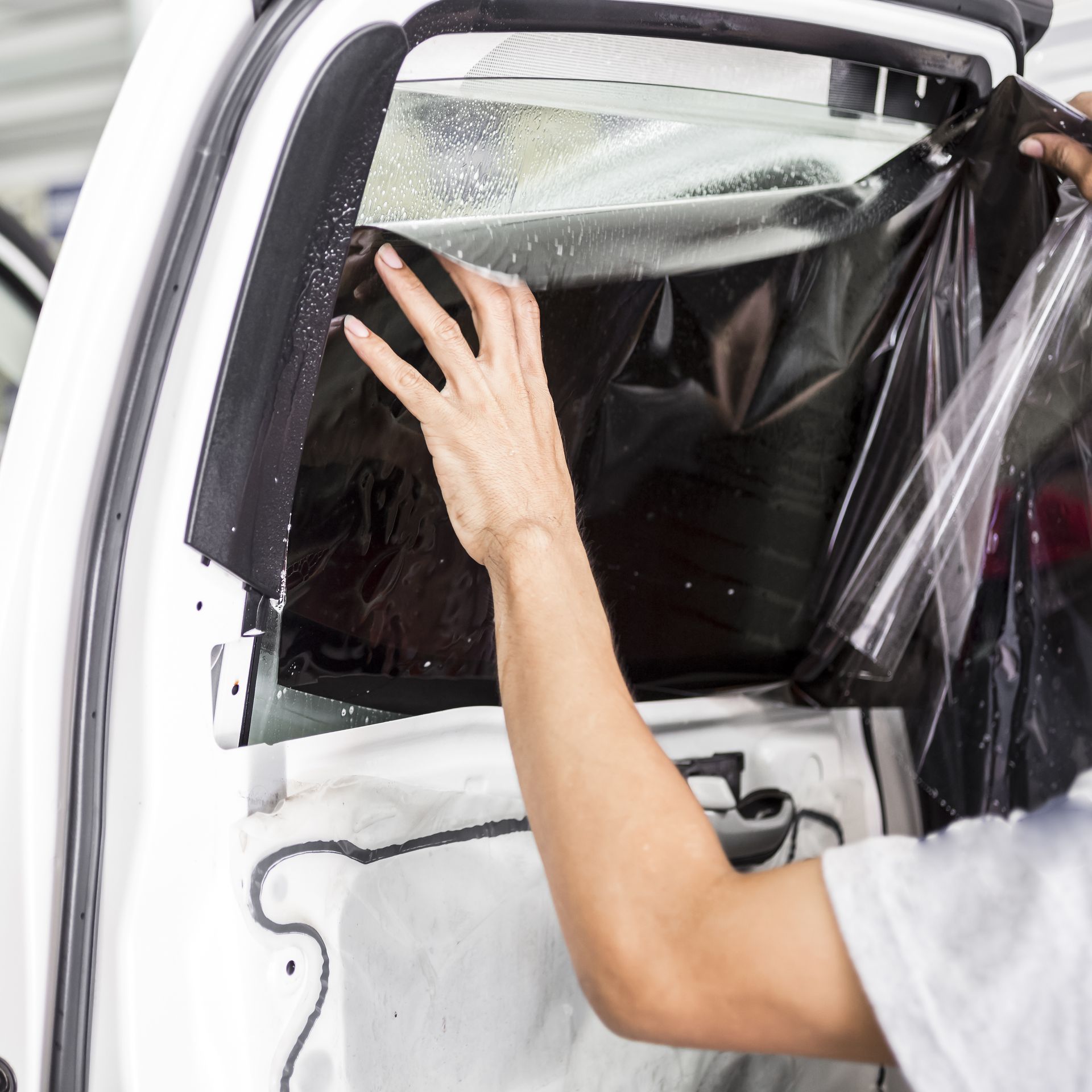
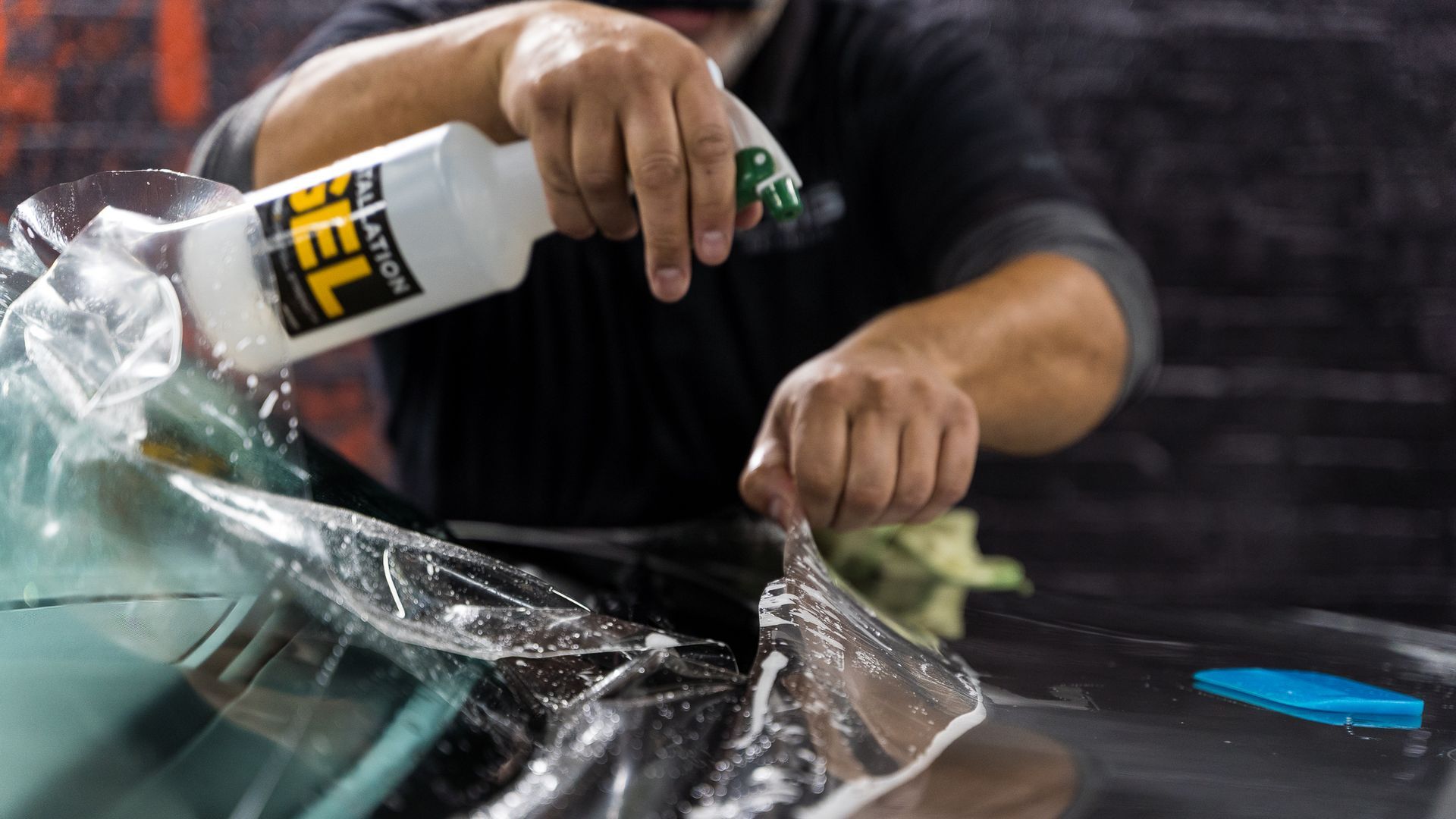
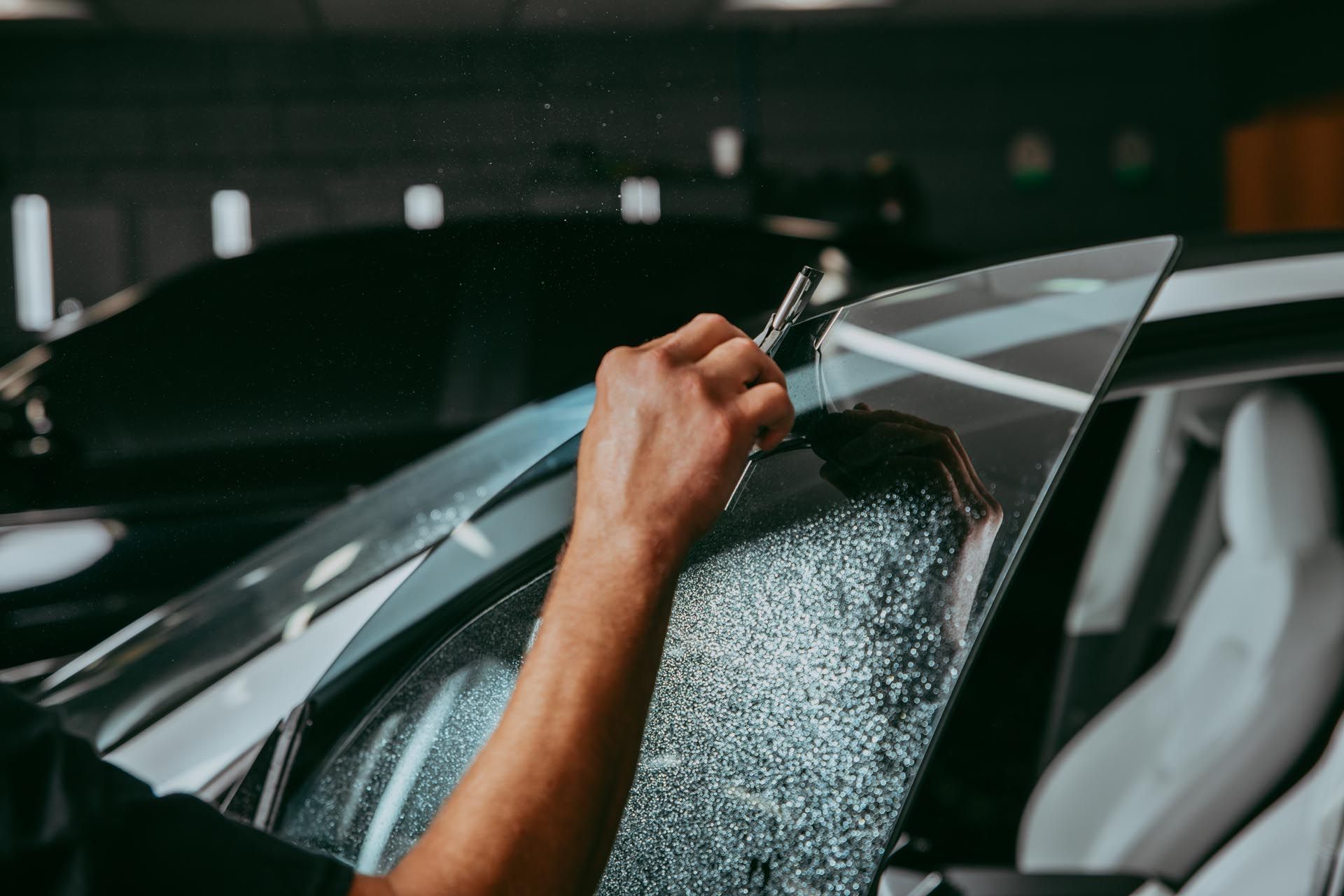
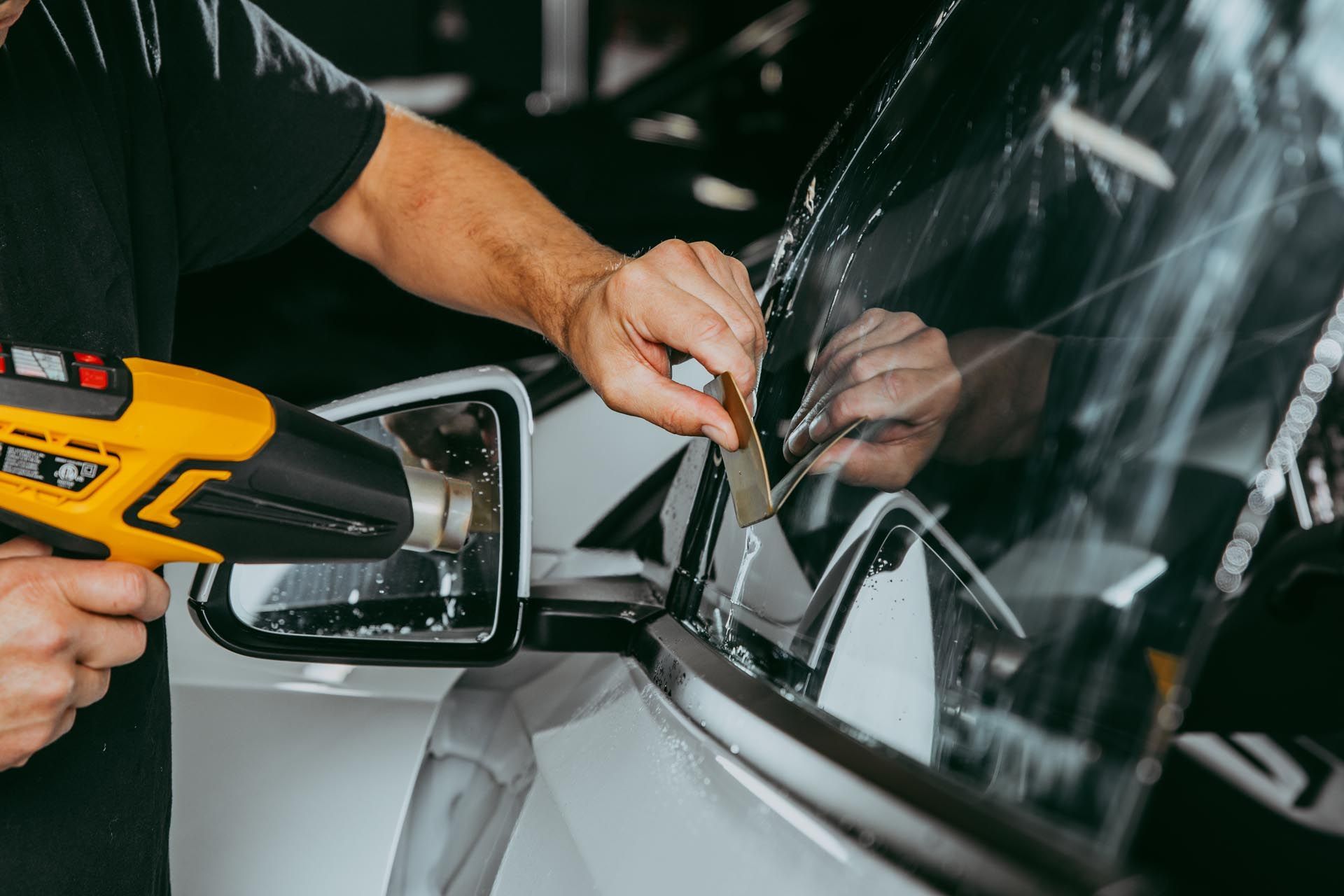
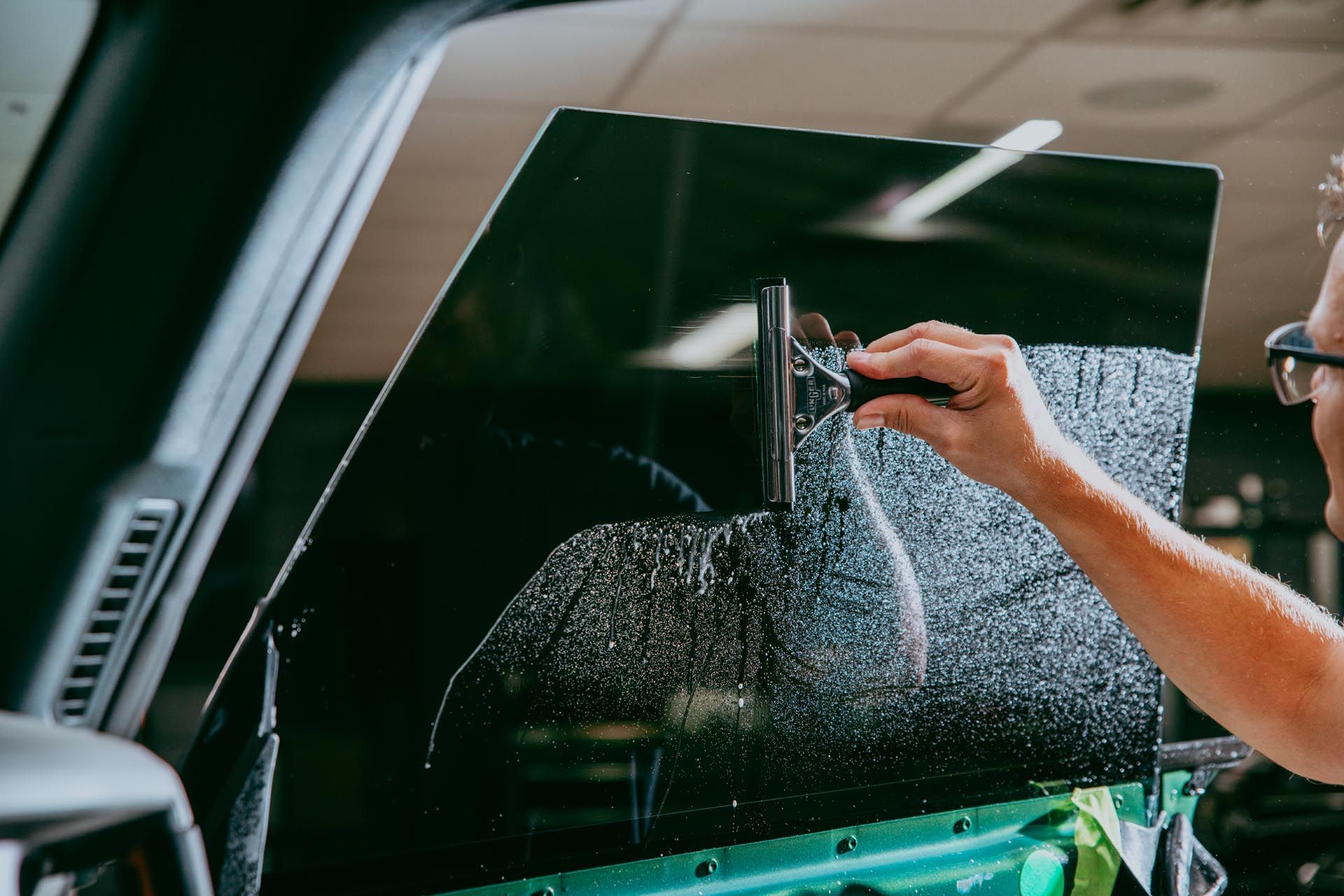
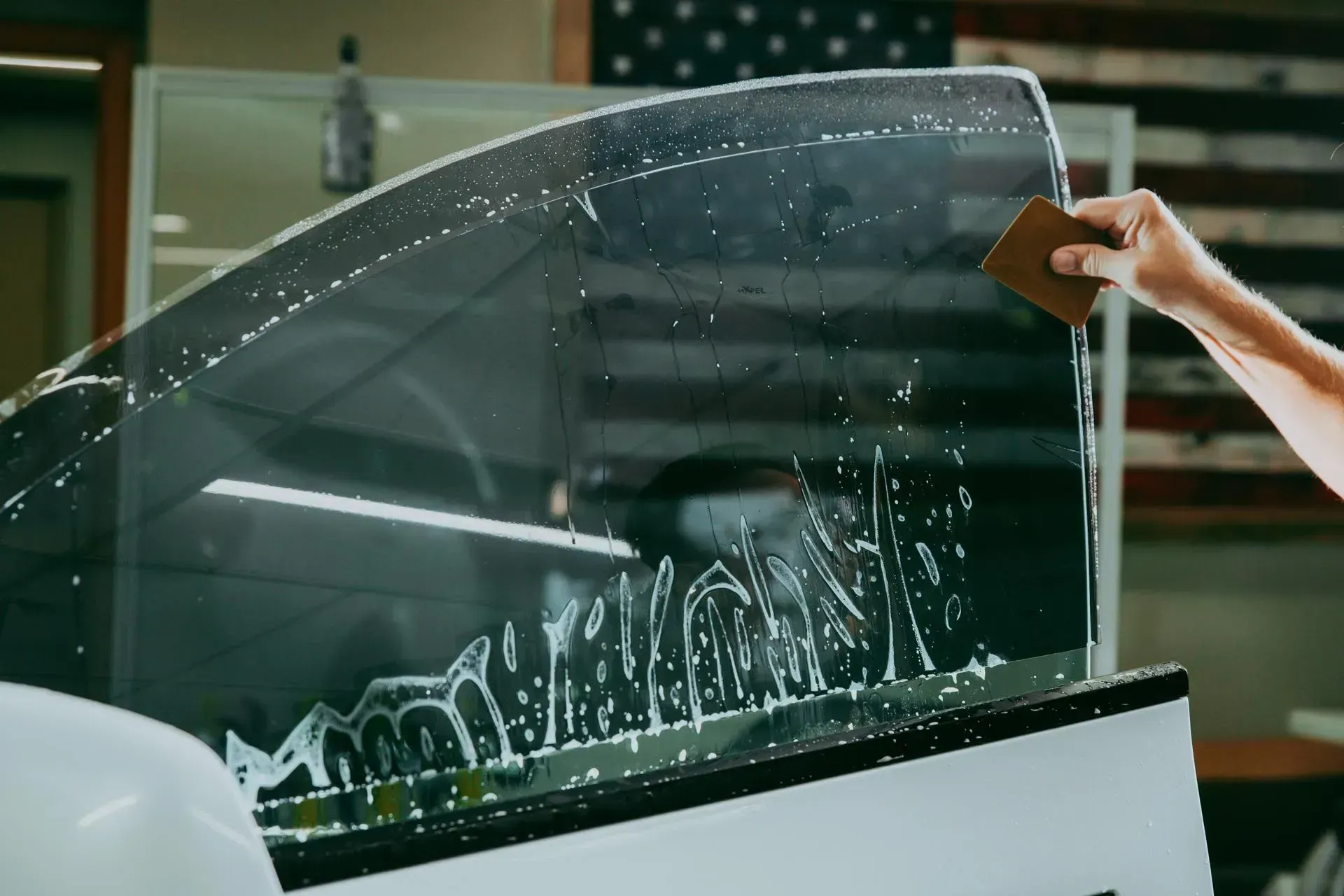
Regardless of which film type you choose, professional installation affects results significantly. Proper installation ensures the film adheres correctly, edges are sealed properly, and no bubbles or debris appear under the film.
Quality installation also ensures compliance with local tint regulations. Colorado has specific requirements for window tint darkness that professional installers understand and follow.
Vehicle Care Beyond Window Tint
Window tint represents one component of protecting your vehicle. For vehicle owners looking to protect and maintain their vehicles, professional detailing addresses exterior and interior care. Ceramic coating protects paint from UV exposure. Interior detailing maintains cabin condition.
For questions about vehicle care services we currently offer, contact us to discuss your needs.
FAQ
Does ceramic window tint really make a noticeable difference?
For heat rejection, many vehicle owners notice meaningful differences between ceramic and lower-tier films, particularly in direct sunlight and hot weather. The difference is most apparent in vehicles that park in the sun regularly or in climates with intense heat. Whether the difference justifies the price premium depends on your priorities and how much heat reduction matters to you.
How long does each type of window tint last?
Longevity varies by product quality, installation quality, and sun exposure. Generally, ceramic films last longest, often many years without noticeable degradation. Carbon films also offer good longevity. Dyed films may fade or discolor sooner, particularly with heavy sun exposure. Quality products with professional installation in any category last longer than lower-quality alternatives.
Can I tell the difference between tint types by looking?
When new, the three types can look quite similar at the same darkness level. Differences become more apparent over time as dyed films may fade or shift color while ceramic and carbon maintain appearance. Carbon often has a slightly matte finish compared to some dyed films. The main differences are in performance rather than initial appearance.
Will window tint affect my car's electronics or signals?
Ceramic and carbon tints do not interfere with electronic signals. Some metallic tint films can affect GPS, cellular, and radio signals, but ceramic specifically avoids this issue due to its non-metallic construction. If signal compatibility concerns you, ceramic offers peace of mind.
Is the most expensive option always the best choice?
Not necessarily. The best choice depends on your priorities and situation. Ceramic provides the highest performance, but if you're not keeping the vehicle long-term or heat rejection isn't a priority, the premium may not provide proportional value for you. Honest assessment of your needs helps determine which investment level makes sense.